A battery can appear normal one day and struggle to start the engine the next, especially after temperature changes or repeated short trips. Testing a weak battery charge before it fails completely gives drivers a chance to distinguish an aging battery from charging-system or electrical problems.
Slow cranking deserves attention, but replacing the battery without testing can lead to unnecessary expense.
What a Car Battery Does During Starting
The battery supplies the high electrical current needed to operate the starter motor. After the engine starts, the charging system provides electrical power and replenishes energy removed from the battery.
Drivers exploring car electrical maintenance topics should view the battery and charging system as connected components. A good battery can still become discharged if the alternator or another charging component isn’t working correctly.
Battery Capacity Declines With Age and Use
Automotive batteries gradually lose their ability to store and deliver energy. Heat, deep discharges, vibration, corrosion, long periods of inactivity, and repeated short journeys can contribute to declining performance.
Age alone doesn’t tell the complete story. Testing provides better information about current condition.
Signs That Testing Is Worthwhile
Slow engine cranking is one of the most recognizable signs of reduced starting power. Drivers may also notice electrical systems behaving differently during startup or experience a battery that repeatedly needs assistance.
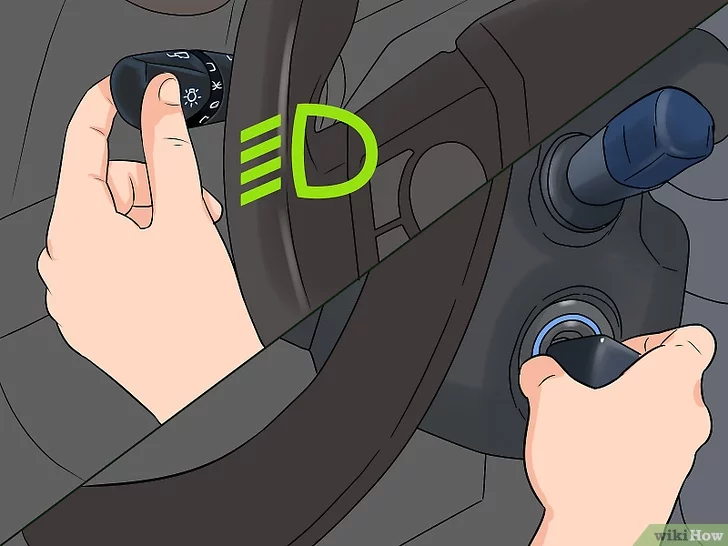
People using vehicle troubleshooting resources should avoid diagnosing a battery from headlights or dashboard lights alone. Those accessories require far less current than the starter motor.
| Symptom | Possible Cause | Useful Check |
|---|---|---|
| Slow cranking | Weak battery or connection | Battery/load test |
| No crank | Battery, starter, wiring | Electrical diagnosis |
| Repeated discharge | Charging fault or parasitic draw | System testing |
| Corroded terminals | Increased resistance | Inspect and service |
Testing Separates Battery Problems From Other Faults
A battery test can evaluate whether the battery can provide adequate starting current under load. Charging-system testing checks whether the alternator and related components are maintaining the electrical system correctly.
Drivers reading practical automotive ownership advice should consider both tests when a replacement battery repeatedly becomes discharged. Installing another battery won’t correct a charging fault or excessive key-off electrical draw.
Connections Matter More Than They Look
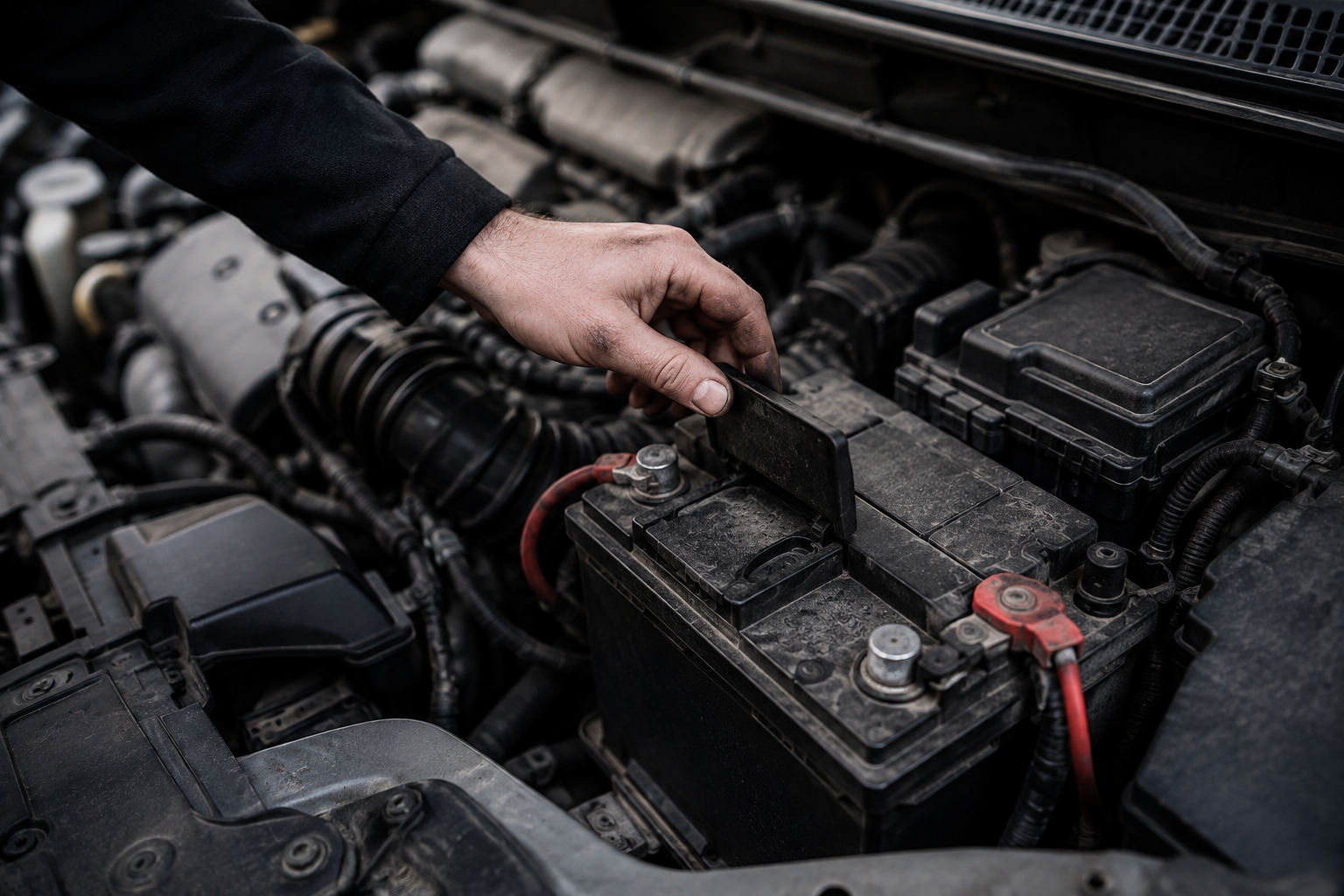
Loose or corroded battery terminals can restrict current flow even when the battery itself is healthy. A connection may look only slightly dirty while creating enough resistance to interfere with starting.
Inspect terminals and cables for looseness, corrosion, damaged insulation, or overheating. Electrical work should be handled carefully because batteries can deliver extremely high current.
Where Battery Diagnosis Goes Wrong
One common mistake is replacing the battery immediately after a single no-start event. Leaving lights on, unusually cold conditions, an alternator problem, or a parasitic draw may have caused the discharge.
Another mistake is repeatedly jump-starting the vehicle without finding the cause. Jump-starting can restore mobility, but it isn’t a diagnostic test.
Battery voltage by itself can also be misleading. A battery may show reasonable open-circuit voltage yet perform poorly under starting load, which is why a proper battery test can reveal more.
Frequently Asked Questions
How can I tell if the battery or alternator is failing?
Symptoms overlap, so testing is the most dependable approach. Battery testing checks storage and starting capability, while charging-system testing evaluates whether the alternator is supplying and maintaining appropriate electrical power.
Can short trips weaken a car battery?
They can contribute, particularly if each start removes more energy than the charging system replaces during the short drive. Frequent short journeys can become more noticeable when the battery is already aging or partially discharged.
Does a slow starter always mean the battery is bad?
No. A weak battery is common, but corroded cables, poor grounds, starter-motor problems, mechanical resistance, and charging issues can also cause slow cranking. Testing helps avoid replacing the wrong component.
Test Before the Car Won’t Start
Starting problems are easier to handle in a driveway than in a parking lot after the battery has completely failed. If cranking speed changes, the battery repeatedly discharges, or the vehicle needs frequent jump-starts, arrange proper battery and charging-system testing.
Replacing a confirmed weak battery is sensible maintenance. Replacing batteries repeatedly without checking the rest of the electrical system is not.