An overflowing shoe collection doesn’t automatically require a large cabinet or expensive built-in storage. Shoes take up space inefficiently when everyday pairs, seasonal footwear, special-occasion shoes, and rarely worn items are all stored together near the same doorway.
Creating smaller footwear zones can provide more usable room while keeping frequently worn pairs easy to grab.
Start With the Shoes You Actually Wear
Gather shoes from closets, entryways, bedrooms, and other storage spots. Separate everyday pairs from seasonal footwear, formal shoes, sports footwear, and pairs that are no longer useful.
General space-saving home ideas often start with the same principle: reduce what needs immediate access before buying additional furniture to accommodate it.
Give the Entryway a Shoe Limit
The doorway doesn’t need to store every pair owned by everyone in the household. Keep only frequently used shoes there.
Everything else can move to bedroom closets, under-bed storage, or another appropriate secondary zone.
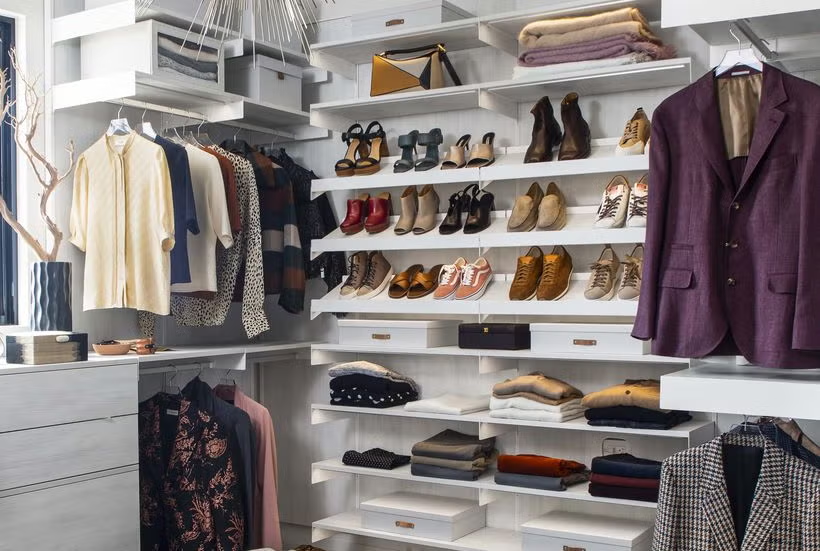
Use Low-Profile Vertical Storage
A narrow tiered rack uses floor space more efficiently than shoes spread in a single row. Over-door organizers may also work for lightweight footwear when the door has enough clearance.
Compact shoe organization methods are most successful when storage rises vertically rather than extending farther into a hallway or bedroom.
| Shoe Type | Compact Storage Option | Suggested Zone |
|---|---|---|
| Daily shoes | Narrow rack | Entryway |
| Seasonal pairs | Labeled box | Upper closet |
| Flats or sandals | Hanging pockets | Door or closet |
| Special-occasion shoes | Stackable boxes | Secondary shelf |
Use Existing Furniture Before Adding More
Look under beds, on closet floors, below hanging clothes, and beneath benches before purchasing a freestanding shoe cabinet. Low bins can often make these spaces useful.
A wider look at efficient room layouts can also reveal storage opportunities that aren’t dedicated specifically to footwear. The best solution may be reclaiming existing dead space rather than introducing another large piece of furniture.
Store Seasonal Shoes Away From Prime Space
Winter boots don’t need entryway priority throughout warm weather, and beach sandals don’t need it during colder months. Rotating footwear by season reduces visual clutter.
Clean and dry shoes before putting them into longer-term storage.
Keep Pairs Together and Easy to Identify
Shoes stored randomly waste time because matching pairs separate. Position both shoes together, and label opaque boxes when necessary.
Clear boxes can improve visibility, but they aren’t essential. Consistent placement often matters more than the container itself. If shelves are shared, assigning each person a defined zone can prevent footwear from spreading again.
Storage Solutions That Create New Problems
Large shoe furniture can make a small room feel tighter even when it hides clutter. Before buying a cabinet, measure the walking path and check door clearance.
Stacking shoes too tightly can also crush certain styles or make lower pairs difficult to reach. And while hanging organizers save floor space, overloaded versions can interfere with doors. Storage should reduce friction rather than move the problem somewhere else.
Frequently Asked Questions
How many pairs of shoes should stay by the front door?
There is no universal number. Keep the pairs your household uses regularly while maintaining a clear walkway. If shoes begin spreading beyond the designated rack or mat, move less-used pairs to secondary storage.
What is the best shoe storage for a small bedroom?
Use existing low-volume spaces first, including under the bed, the bottom of a closet, or the area beneath short hanging clothes. Narrow vertical racks can work when floor space is limited.
Should shoes be stored in boxes?
Boxes can protect special, seasonal, or lightly used shoes from dust and accidental damage. Everyday pairs are usually more convenient on open shelves or racks where they can be reached without opening and restacking containers.
Reduce the Footprint, Not Just the Mess
Footwear storage becomes easier when every pair doesn’t compete for the same prime location. Keep everyday shoes accessible, rotate seasonal pairs, reclaim unused closet and under-bed space, and choose vertical organizers before bulky furniture. Leave pathways and doors clear. The strongest system is one that contains the collection without making the surrounding room feel smaller.