Weak car suspension can show up as excessive bouncing, unstable cornering, uneven tire wear, unusual noises, or a vehicle that feels less controlled over bumps. These signs don’t automatically identify a failed shock, strut, spring, or joint, but they do justify closer inspection.
Catching suspension problems early can help prevent one worn component from contributing to tire wear or additional stress elsewhere.
Notice Changes in Ride Control
Most suspension wear develops gradually, which makes it easy to adapt to a worsening ride. Pay attention if the car starts bouncing several times after a bump, feels unusually floaty on uneven roads, or requires more steering correction than before.
Automotive owners reading automotive maintenance reading should compare new behavior with how the vehicle normally feels rather than expecting every suspension problem to create an obvious warning light.
Listen for New Noises
Clunks, knocks, creaks, or rattles over bumps can come from several suspension or steering components. The location and conditions matter.
A noise heard only while turning suggests a different inspection path from a knock that appears whenever one wheel crosses a pothole.
Check the Tires for Clues
Uneven tire wear sometimes develops when suspension or alignment problems prevent the tire from maintaining consistent contact with the road. Tire condition won’t identify the failed part by itself, but unusual wear is worth investigating.
Inspect all four tires rather than looking only at the easiest outer edges. People following everyday car-care guidance can use tire inspections as a simple habit for catching changes between scheduled services.
| Vehicle Change | Possible Area | Useful Next Step |
|---|---|---|
| Excessive bouncing | Shocks or struts | Suspension inspection |
| Uneven tire wear | Alignment/suspension | Check tires and geometry |
| Clunk over bumps | Joints or bushings | Inspect worn components |
| Vehicle sits unevenly | Springs/suspension | Compare ride height |
Watch How the Car Sits
A vehicle that appears lower at one corner deserves attention, particularly if the difference is new. Springs support vehicle weight, while other suspension components control movement and wheel position.
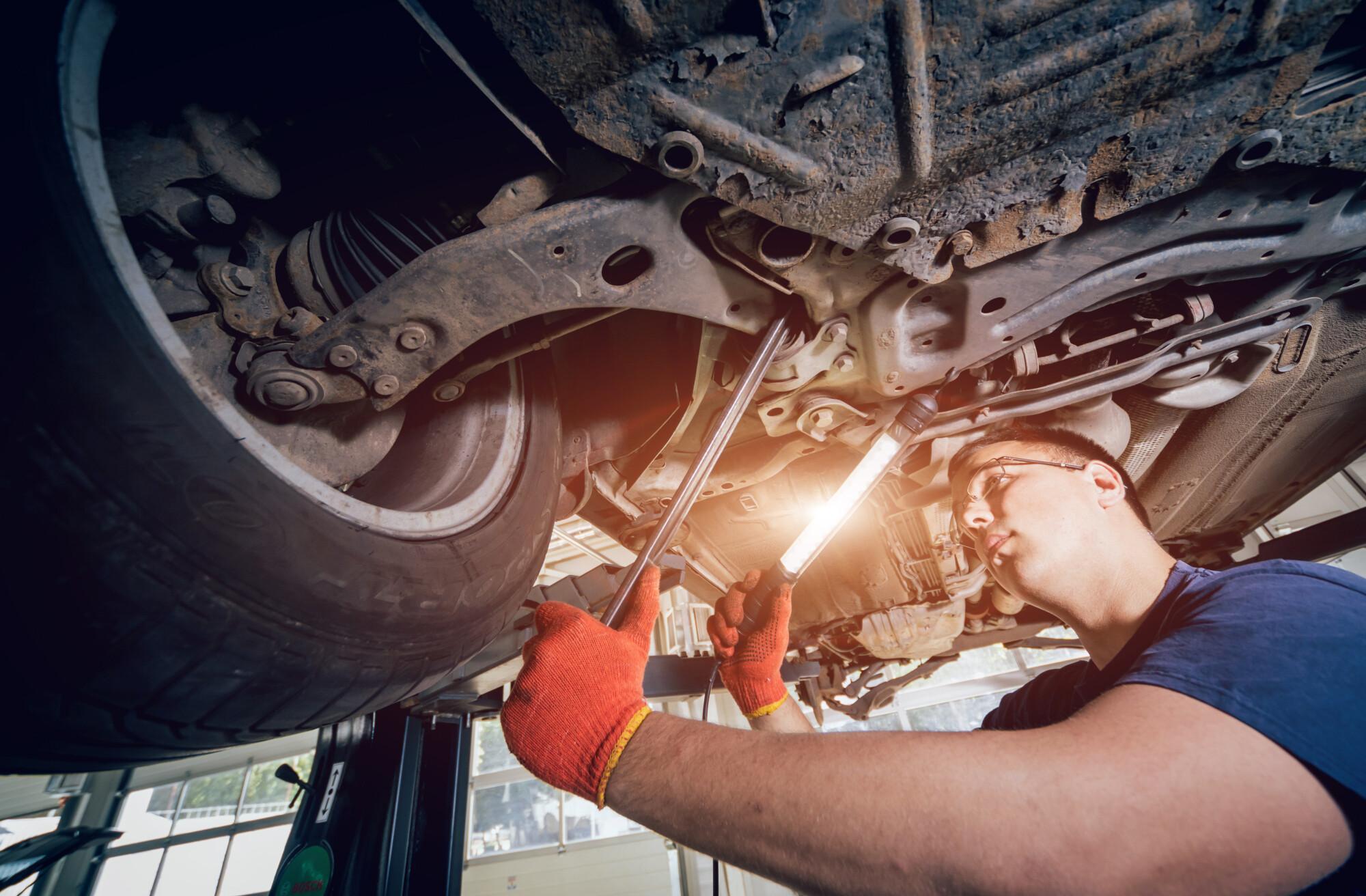
Never crawl beneath a vehicle supported only by a jack. If an underbody inspection is required, use proper lifting equipment and approved support points, or have a qualified repair facility perform the inspection.
Drivers comparing motoring topic collections should remember that appearance is only one clue. A car can have worn suspension parts without visibly sagging.
Pay Attention During Braking and Turning
Suspension helps maintain tire contact and vehicle stability as weight shifts. Excessive body movement during braking, acceleration, or cornering may indicate that suspension control has deteriorated.
Compare Behavior on Familiar Roads
A route you drive regularly can reveal gradual changes. If the same dip suddenly produces more bouncing or the car feels less settled through a familiar curve, don’t ignore the difference merely because the vehicle remains drivable.
A professional inspection can separate normal wear from a component that actually needs repair.
What Drivers Often Misdiagnose
It’s easy to blame every vibration on shocks or every clunk on struts. Wheel balance, tires, brakes, steering components, wheel bearings, mounts, and other parts can create sensations that overlap with suspension complaints.
Replacing parts based only on a symptom can become expensive quickly. Diagnosis should focus on physical wear, looseness, leakage where applicable, damaged components, tire condition, and how the vehicle behaves during a controlled road test.
Frequently Asked Questions
Can bad suspension cause uneven tire wear?
Suspension or alignment problems can contribute to uneven wear by affecting wheel position and tire contact. Tire pressure, alignment, driving habits, and tire condition can also influence wear patterns.
Is it safe to drive with worn shocks or struts?
The answer depends on the severity of the wear and the vehicle’s behavior. Noticeable instability, poor control, damaged components, or significant tire problems should be inspected promptly rather than ignored.
Why does my car clunk when driving over bumps?
Clunking can come from worn bushings, joints, mounts, links, or other suspension and steering parts. An inspection is usually needed because the sound alone doesn’t identify the faulty component.
Get the Suspension Checked Before Wear Spreads
A suspension problem is easier to manage when you respond to changes instead of waiting for the vehicle to become difficult to control. Watch for bouncing, noises, uneven ride height, tire wear, and changes during braking or cornering.
When several signs appear together, arrange an inspection. Accurate diagnosis is usually cheaper than repeatedly replacing parts based on guesses.