
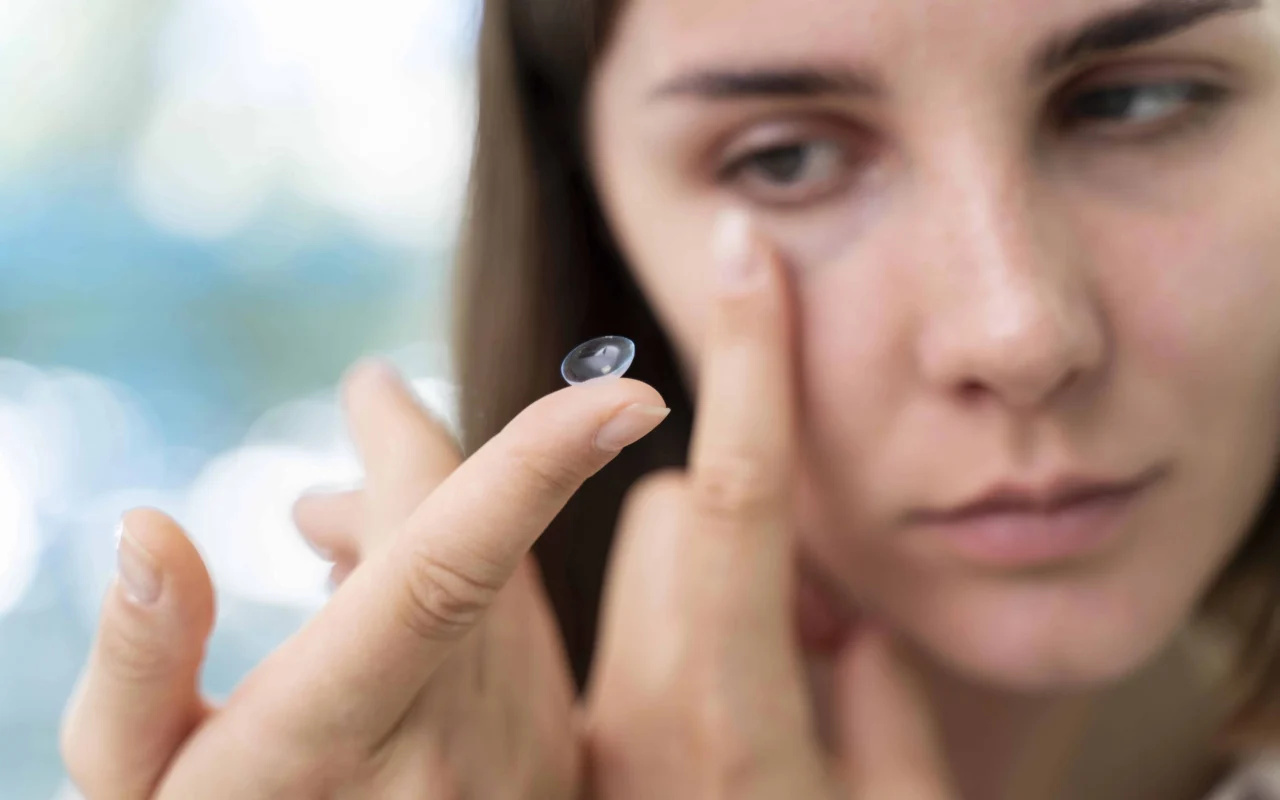
Frequent contact irritation may come from dryness, deposits, poor lens hygiene, overwear, an unsuitable fit, or an eye problem that needs treatment. Repeated redness, burning, or blurred vision shouldn’t be managed by continually reinserting uncomfortable lenses. Good contact habits reduce avoidable risks, but persistent irritation still deserves professional evaluation.
Start With Clean Hands and Fresh Lens Care
Wash your hands with soap and water before touching contact lenses, then dry them thoroughly. Small shortcuts matter because lenses sit directly against the eye surface.
For reusable lenses, follow the cleaning and storage system recommended for your specific lens type. The CDC advises using fresh disinfecting solution rather than “topping off” old solution and warns against using water to rinse or store contacts. Its contact lens care guidance also recommends removing lenses if discomfort develops.
Pay Attention to How Long You Wear Them
A lens may feel comfortable in the morning but increasingly dry or irritating later in the day. Don’t treat discomfort as a challenge to push through.
Long work sessions involving general screen-time discussions can make lens wear more noticeable because sustained screen concentration may also reduce blinking. Keep backup glasses available so removing uncomfortable lenses doesn’t leave you unable to function.
Follow the replacement and wearing schedule given by your eye care professional rather than extending it to save lenses.
Keep Water Away From Contact Lenses
Contacts and water are a poor combination. The CDC advises removing lenses before swimming or showering because water can expose the eye to organisms and may change the shape of soft lenses.
Beauty routines and online style resources may involve products used close to the eyes, but lens handling should remain clean and deliberate. Insert and remove contacts with clean hands, and avoid transferring creams, makeup, or debris onto the lens surface.
| Habit | Possible Problem | Better Practice |
|---|---|---|
| Sleeping in unsuitable lenses | Higher complication risk | Follow prescribed wear schedule |
| Topping off solution | Less effective disinfection | Use fresh solution |
| Rinsing with water | Germ exposure | Use recommended lens solution |
| Wearing through irritation | Worsening discomfort | Remove lenses and use glasses |
Give Your Eyes a Lens-Free Option
Backup glasses aren’t merely for convenience. They let you stop wearing contacts when the eyes become uncomfortable instead of deciding between poor vision and continued irritation.
That matters during long days of work, travel, entertainment, or browsing fashion-focused material. If you’re repeatedly desperate to remove your lenses by evening, discuss the pattern rather than assuming every contact wearer feels the same way.
Lens material, fit, replacement schedule, ocular dryness, allergies, and eyelid conditions may all influence comfort.
What Contact Wearers Often Get Wrong
One mistake is assuming irritation means the lenses simply need to be “cleaned better.” Redness or discomfort can have several causes, including dry eye, allergies, corneal irritation, or infection.
Another risky assumption is that symptoms are harmless because they have happened before. Contact lens complications can sometimes begin with common-sounding complaints such as redness, pain, light sensitivity, discharge, or sudden blurry vision.
Red Flags That Need Prompt Attention
Remove your contacts and contact an eye care professional promptly if you develop unusual irritation, worsening pain, marked redness, light sensitivity, discharge, or sudden blurry vision. The CDC specifically lists these among symptoms that can occur with microbial keratitis and advises contact lens wearers with unusual irritation to remove their lenses and seek care.
Do not put the same lenses back in simply to see whether the symptoms disappear.
Frequently Asked Questions
Why do my contacts become uncomfortable by evening?
Long wearing time, ocular dryness, deposits, reduced blinking, fit, or lens material may contribute. Repeated end-of-day discomfort is worth discussing with your eye care provider.
Can I rinse contact lenses with tap water?
No. The CDC advises keeping contact lenses away from water and using the recommended contact lens solution for cleaning and disinfection.
Should I sleep in my contact lenses?
Only follow the specific wearing schedule prescribed for your lenses by your eye care professional. The CDC advises avoiding sleeping in contacts unless an eye care provider has directed that the lenses are appropriate for it.
Remove Irritating Lenses Instead of Pushing Through
Clean handling, fresh solution, correct replacement timing, water avoidance, and backup glasses can prevent many avoidable contact problems. Still, frequent contact irritation is a signal worth investigating. If discomfort keeps returning or comes with pain, redness, light sensitivity, discharge, or changing vision, remove the lenses and get appropriate eye care.
This article is for general informational purposes and is not a substitute for professional medical advice, diagnosis, or treatment.