
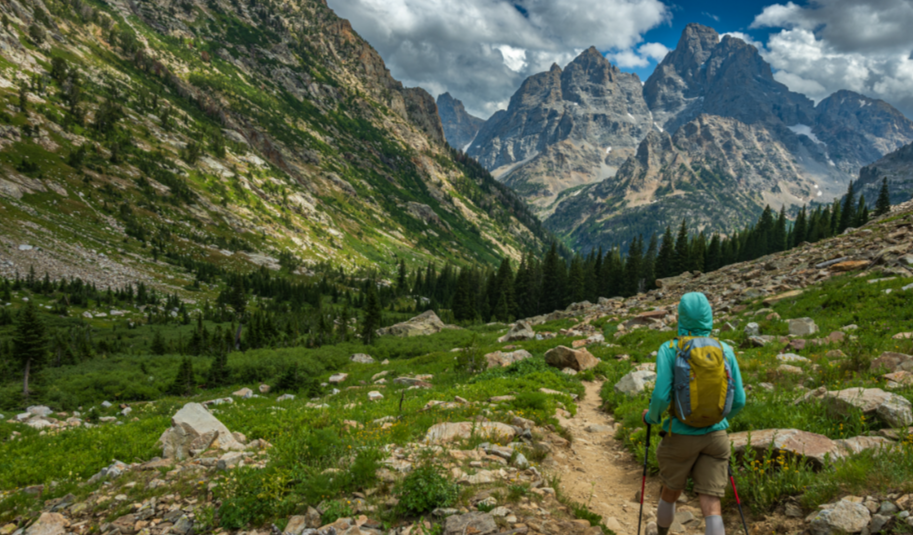
Reaching a mountain summit is often seen as an individual achievement, but completing a demanding mountain challenge requires much more than personal strength and determination. Behind every successful group expedition lies a combination of teamwork, communication, preparation, and mutual support. When participants face steep trails, unpredictable weather, and physical exhaustion, their ability to work together becomes just as important as their fitness.
The 3 Peaks Challenge UK is an excellent example of how collective effort contributes to success. Participants aim to climb three major mountains within a demanding time frame, making coordination essential throughout the journey. From maintaining a steady walking pace to managing transportation and supporting tired teammates, every decision can influence the group’s overall experience.
Teamwork Begins Before the First Climb
A successful mountain challenge starts long before participants arrive at the trailhead. Group members need to discuss their fitness levels, previous hiking experience, equipment requirements, and expectations. These conversations help establish realistic goals and prevent misunderstandings during the expedition.
Training together can also strengthen relationships within the group. Regular hiking sessions allow participants to understand one another’s walking speeds, endurance levels, and communication styles. Some individuals may naturally take leadership roles, while others contribute through navigation, organization, or encouragement.
Shared preparation creates confidence because everyone understands their responsibilities. It also encourages participants to approach the challenge as a collective achievement rather than a competition between individuals.
Communication Makes Difficult Climbs More Manageable
Clear communication becomes especially important when climbing demanding mountain routes. During Climbing Ben Nevis, participants may encounter changing weather conditions, steep terrain, and long periods of physical exertion. Group members must communicate openly about fatigue, discomfort, and potential hazards instead of hiding difficulties to maintain the pace.
Simple conversations about rest breaks, hydration, and route conditions can prevent small problems from becoming serious obstacles. A designated group leader can help coordinate decisions, but every participant should feel comfortable raising concerns.
Effective communication also means listening. When someone reports exhaustion or uncertainty, acknowledging their concerns helps maintain trust and ensures that decisions consider the entire group’s well-being.
Maintaining Group Motivation During Physical Exhaustion
Mountain challenges test mental resilience as much as physical endurance. Participants may begin with enthusiasm, but prolonged walking, limited sleep, and challenging terrain can gradually affect motivation.
Encouragement from teammates can make a meaningful difference during these moments. Positive conversations, shared milestones, and practical assistance help individuals remain focused without feeling pressured to exceed their limits.
A supportive group recognizes that everyone experiences fatigue differently. Rather than criticizing slower participants, experienced hikers can help establish a sustainable pace and encourage appropriate recovery breaks.
This approach creates an environment where participants feel valued, regardless of their individual climbing abilities.
Adapting Together to Unexpected Mountain Conditions
Mountain environments rarely follow a perfectly predictable schedule. Weather changes, navigation difficulties, and uneven terrain can require immediate adjustments to the original plan.
During Climbing Scafell pike, for example, rocky paths and potentially poor visibility can make route awareness particularly important. Participants must remain attentive to their surroundings and cooperate when deciding whether conditions allow them to continue safely.
Successful teamwork involves flexibility rather than rigidly following a predetermined schedule. Groups should be prepared to slow down, change routes where appropriate, or abandon a summit attempt when necessary.
Making responsible decisions together demonstrates that collective safety matters more than completing a challenge at any cost.
The Importance of Shared Responsibilities
An organized mountain expedition depends on contributions from people with different skills. While some participants may have extensive hiking experience, others may excel at planning, equipment management, or coordinating travel arrangements.
Distributing responsibilities reduces unnecessary pressure on individual members. One person might monitor the route, another could track scheduled breaks, while others help ensure that essential supplies remain accessible.
Transport coordination is particularly important during challenges involving multiple mountains. Designated drivers who are not exhausted from climbing can help reduce fatigue related risks during travel between locations.
When responsibilities are clearly established, the group can concentrate more effectively on the physical challenge ahead.
Building Trust Through Shared Challenges
One of the most rewarding aspects of a mountain challenge is the trust developed between participants. Difficult climbs create opportunities for individuals to demonstrate patience, reliability, and consideration for others.
Helping someone navigate a difficult section, sharing essential supplies, or offering reassurance during an exhausting ascent can strengthen relationships. These experiences often create lasting memories because participants recognize the importance of their collective efforts.
Teamwork also encourages personal growth. Individuals learn to communicate under pressure, accept assistance, and recognize when another person’s needs should take priority over their own ambitions.
Conclusion
A successful mountain challenge involves far more than reaching several summits. It requires preparation, communication, adaptability, and a genuine commitment to supporting others throughout the journey.
Although physical fitness helps participants manage demanding terrain, teamwork provides the foundation for a safer and more rewarding experience. The strongest groups are not necessarily those that climb the fastest, but those that make responsible decisions, encourage one another, and recognize that shared achievement is often more meaningful than individual success.


