Color matching becomes frustrating when every outfit starts as a new puzzle. A simpler approach is to build around a few dependable relationships rather than memorizing complicated color theory. Neutrals, repeated tones, muted shades, and one controlled accent can make everyday combinations easier while still leaving room for personality.
Start With a Reliable Base Color
Choose one color that already appears frequently in your wardrobe. Black, navy, gray, cream, beige, brown, or denim blue can all act as practical foundations.
Once the base is established, you only need to decide which one or two colors will accompany it.
Examples of easy color combinations can help train your eye to recognize pairings that feel balanced without requiring an exact matching system.
Use One Accent Instead of Several
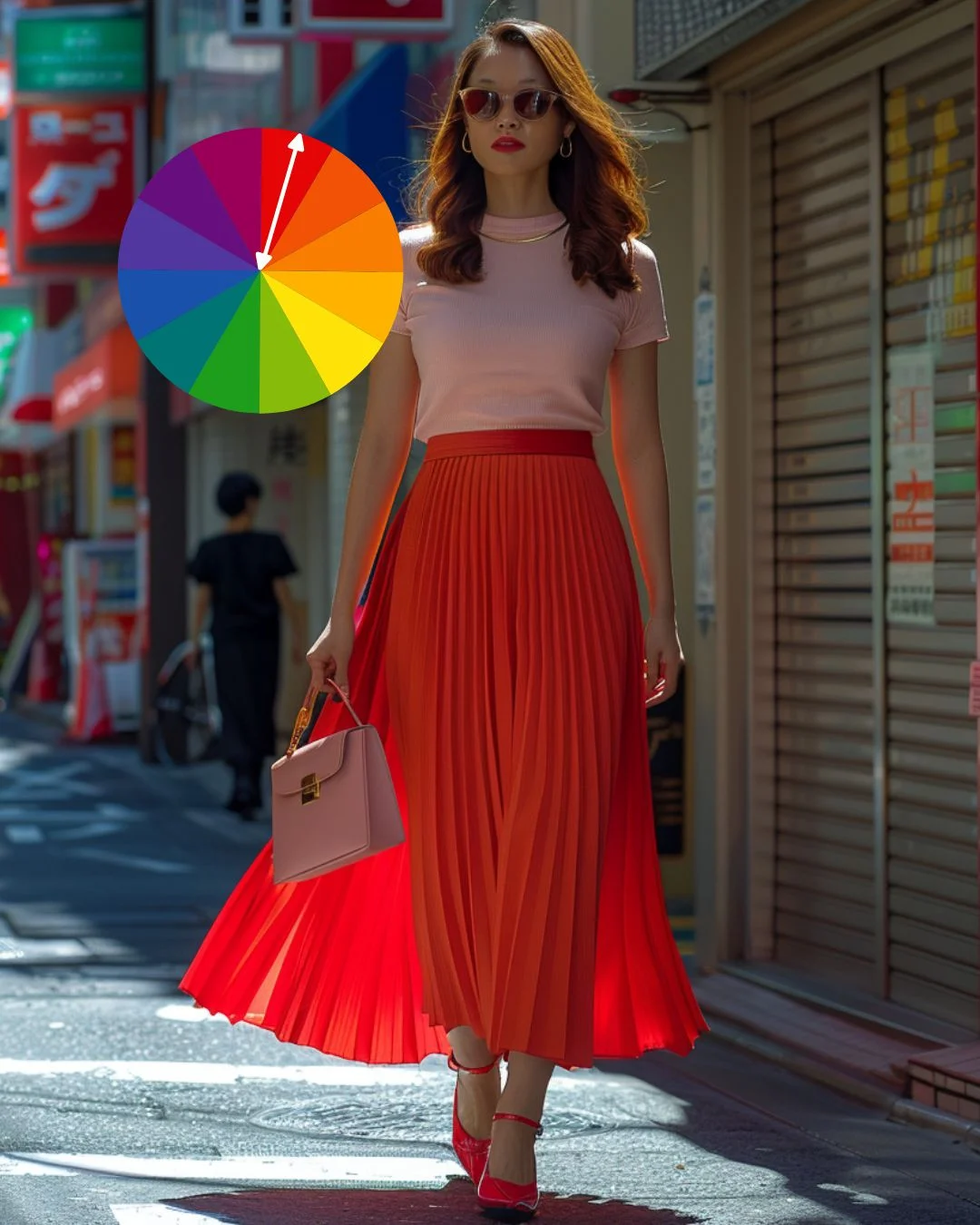
If color feels difficult, keep most of the outfit quiet and introduce one noticeable shade through a top, jacket, shoe, bag, or scarf.
This creates interest while reducing the number of color relationships you need to manage.
Repeat One Color in a Smaller Detail
Color repetition makes separate pieces feel connected. A burgundy sweater might work more naturally with neutral trousers when a bag, shoe detail, or accessory carries a similar tone.
The repetition doesn’t need to be exact. Slight variations often look more natural than perfectly matched pieces.
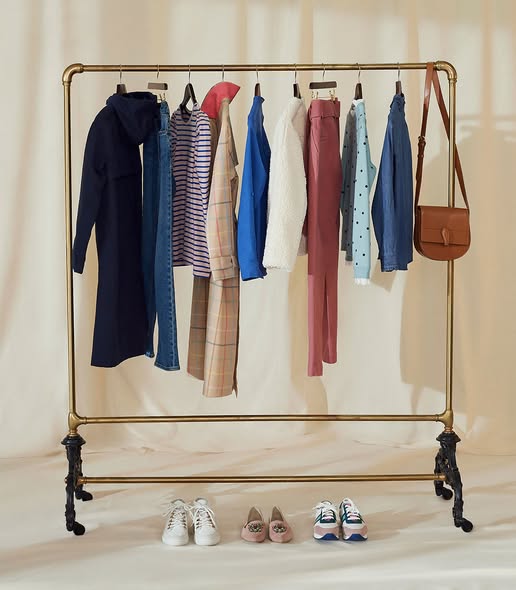
Looking through coordinated wardrobe palettes can offer ideas for repeating colors without making an outfit appear overly planned.
| Color Approach | Simple Formula | Effect |
|---|---|---|
| Neutral + accent | Navy + cream + red | Clear focal point |
| Tonal | Beige + camel + brown | Soft and connected |
| Cool mix | Gray + blue + white | Clean appearance |
| Earthy mix | Olive + tan + cream | Relaxed balance |
Try Tonal Dressing When Matching Feels Hard
Tonal outfits use different versions of the same general color family. Light blue with navy, cream with camel, or soft gray with charcoal reduces the chance of obvious clashes.
You can find useful everyday palette inspiration by focusing on how lighter and darker versions of one color work together.
Texture becomes especially helpful here. If two shades are close, different fabrics keep them from blending into one flat block.
Common Color-Matching Mistakes
One common mistake is assuming every color in an outfit must match something else exactly. Exact repetition can sometimes make clothing look overly coordinated rather than effortless.
Another problem is judging colors individually instead of considering their intensity. A bright saturated green may compete with equally intense orange, while muted versions of the same colors can sit together comfortably. Tone and brightness matter almost as much as the color names themselves.
Create Your Own Small Color System
Choose two or three neutrals that already dominate your wardrobe, then identify a few accent colors that work comfortably with them. You might build around navy, cream, and denim with burgundy and soft green accents.
Keep this palette in mind when shopping. New pieces become easier to combine when they connect with colors you already wear rather than creating an entirely new matching challenge.
Frequently Asked Questions
What colors are easiest to match for everyday outfits?
Neutral shades such as navy, black, cream, gray, beige, brown, and denim blue are flexible starting points. They can support both muted and brighter accent colors.
Do my shoes and bag need to be the same color?
No. They can coordinate through similar warmth, darkness, texture, or overall mood without matching exactly. Modern outfits often look more relaxed with subtle rather than perfect coordination.
How can I wear bright colors without clashing?
Use one bright color as the focal point and keep the surrounding pieces quieter. Once you’re comfortable, you can experiment with a second color of similar intensity.
Make Color Decisions Smaller
Successful color matching doesn’t require memorizing a wheel of rules. Begin with a dependable base, add one supporting shade, and repeat an accent only when it helps connect the outfit. Building a personal palette around colors you already own turns dressing into a faster process and reduces expensive purchases that match almost nothing.