Sticky interior plastics can come from spilled products, old dressings, skin oils, heat exposure, or the gradual breakdown of certain soft-touch coatings. Removing the residue safely means starting with mild cleaning and stopping before the original finish begins coming away.
The temptation to reach for a strong solvent is understandable, but that’s often how a cosmetic problem becomes permanent surface damage.
Determine Whether It’s Dirt or Material Breakdown
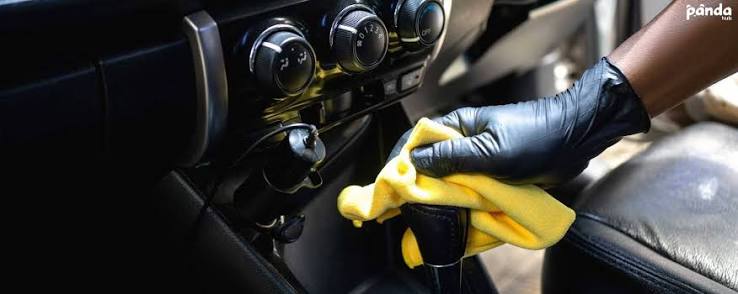
Wipe a small hidden section with a clean microfiber cloth slightly dampened with water. If normal grime transfers to the cloth and the surface improves, you’re probably dealing with contamination.
Routine automotive care knowledge can help frame interior maintenance as preventive work. Residue that stays sticky immediately after careful cleaning may indicate that the coating itself is degrading rather than remaining dirty.
Check the Surface Finish
Soft-touch buttons and trim pieces can use thin coatings that feel different from hard molded plastic. If color appears on your cloth, stop cleaning aggressively.
A damaged coating may require refinishing or replacement rather than stronger chemicals.
Begin With the Mildest Cleaner
Use a cleaner specifically labeled for automotive interior plastics and apply it to the microfiber cloth rather than spraying the dashboard. Work a small area, then inspect the finish under good light.
Owners reading everyday vehicle-care material may encounter home remedies involving alcohol, degreasers, or solvents. Those approaches can sometimes remove residue, but they may also remove printed symbols, dyes, or soft-touch finishes.
| Surface Condition | First Approach | Warning Sign |
|---|---|---|
| Light grime | Damp microfiber | None after drying |
| Old dressing | Plastic-safe cleaner | Increasing dullness |
| Sticky coating | Test hidden area | Color transfer |
| Spill residue | Gentle spot cleaning | Finish softening |
Work Carefully Around Controls
Buttons, switches, screens, and control panels should receive minimal moisture. Put product on the cloth or detailing brush so liquid doesn’t run into gaps.
Modern cabins contain interconnected electronics, making vehicle wiring information relevant whenever cleaning occurs around switches and control assemblies. Flooding these areas can create a much larger repair than the original sticky surface.
After cleaning, wipe away remaining product with a second clean cloth and allow the area to dry before judging the result.
Why Strong Solvents Can Backfire
A solvent may appear successful because the stickiness disappears quickly. But it may be dissolving the original coating along with the residue.
Repeated scrubbing creates a similar risk. Once printed icons, textured finishes, or soft-touch layers are removed, ordinary cleaning can’t restore them. Testing slowly on a hidden area provides more useful information than immediately escalating to a stronger chemical.
Frequently Asked Questions
Why does dashboard plastic become sticky in hot weather?
Heat can soften accumulated dressings and residues, while some aging surface coatings may also begin degrading after years of temperature and ultraviolet exposure. The exact cause depends on the material.
Can rubbing alcohol clean sticky car plastics?
Alcohol can damage certain coatings, lettering, and finishes. Unless the vehicle or trim manufacturer specifically permits it, begin with an automotive interior cleaner and test an inconspicuous area first.
What if the plastic stays sticky after cleaning?
Persistent tackiness may indicate deterioration of the surface coating itself. Continuing to scrub may make the finish worse, so refinishing, replacement, or advice from an experienced interior restoration specialist may be more appropriate.
Stop Before the Finish Starts Disappearing
Sticky plastic isn’t always a cleaning problem. Begin with mild products, work in small sections, and watch closely for color transfer, dulling, or softening. If ordinary residue comes away, continue gently. If the original coating appears to be breaking down, stop escalating the chemicals and consider restoration instead. Preserving what’s left is often better than chasing a perfectly dry surface at any cost.