Frequent battery drain usually points to an underlying cause rather than a battery that mysteriously loses power on its own. In a vehicle, common possibilities include an aging battery, lights or accessories staying powered, charging-system trouble, corroded connections, or an electrical draw while the car is parked. Good maintenance starts by identifying the pattern instead of repeatedly jump-starting it.
Pay Attention to When the Battery Goes Flat
Timing provides useful clues. A car that struggles after sitting overnight presents a different pattern from one that loses electrical power while driving.
Drivers comparing basic upkeep advice may encounter practical maintenance reading among many online resources. Use general information to understand possibilities, but avoid assuming the first explanation matches your vehicle.
Notice whether the issue appears after short trips, cold weather, several days of parking, or use of a particular accessory.
Check Simple Causes Before Replacing Parts
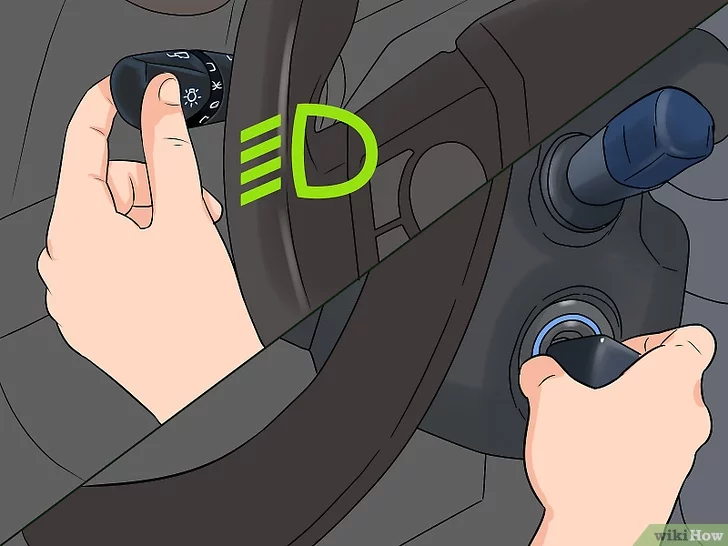
Look for interior lamps, trunk lights, chargers, dash cameras, or other accessories that may remain powered when the vehicle is parked. Inspect battery terminals for looseness or visible corrosion without touching damaged wiring unnecessarily.
General vehicle topic collections can help explain common maintenance ideas, but diagnosis should follow actual symptoms. A battery can be weak, yet replacing it won’t solve a charging problem or an abnormal electrical draw.
If the battery case looks swollen, cracked, or leaking, avoid handling it casually and seek qualified service.
Understand the Battery and Charging System Together
The battery supplies power for starting and electrical demands, while the charging system replenishes energy when the engine is operating. Problems in either area can produce similar complaints.
| Pattern | Possible Area to Check | Useful Response |
|---|---|---|
| Slow cranking | Battery or connections | Test battery condition |
| Repeated overnight drain | Parasitic electrical draw | Have circuit draw checked |
| Warning light while driving | Charging system | Arrange prompt inspection |
| Corroded terminals | Poor connection | Clean or service safely |
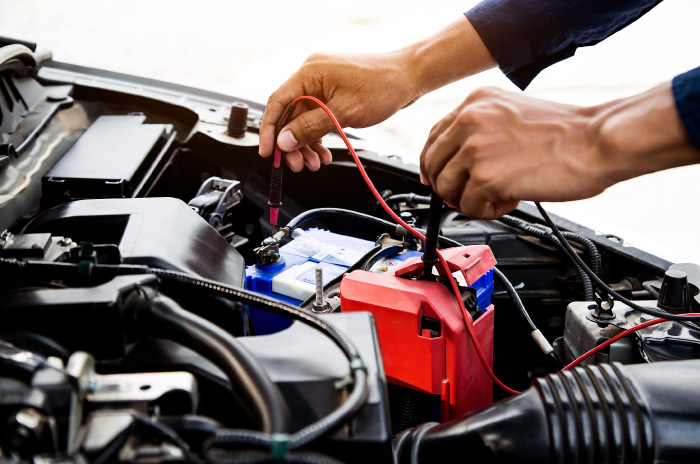
Testing is more useful than guessing because several faults can create the same weak-start symptom.
Adjust Habits That Keep the Battery Undercharged
Repeated short trips may not give the charging system much opportunity to restore energy used during starting, particularly when lights, climate controls, and other electrical equipment are running.
People browsing everyday information resources may find many battery-saving tricks, but basic vehicle condition matters more than gimmicks. Drive patterns, battery age, temperature, and electrical load all influence performance.
If a vehicle is stored for long periods, follow the automaker’s recommendations for maintaining the battery.
Why Repeated Jump-Starting Isn’t a Repair
A jump start addresses the immediate no-start condition, not the reason the battery became discharged. Repeating the same process without diagnosis can leave you stranded again.
It can also mask an aging battery, poor terminal connection, faulty charging system, or parasitic drain. Replacing parts at random isn’t much better. Testing the battery and charging system first can narrow the problem before money is spent on components that may still be functioning normally.
Frequently Asked Questions
How do I know whether my car battery needs replacement?
Slow starting, repeated discharge, visible damage, or failed battery testing can justify replacement. Because charging problems can imitate a weak battery, testing the battery and charging system together provides more useful information than symptoms alone.
Can leaving a phone charger plugged in drain a car battery?
Some vehicle accessory outlets remain powered when the ignition is off, while others shut down automatically. The electrical draw from connected equipment depends on the vehicle and device, so check the owner’s manual if you’re unsure.
Why does my battery keep dying overnight?
Possible causes include an aging battery, an electrical component remaining on, poor connections, or an abnormal parasitic draw. Repeated overnight discharge is a reason to have the battery and electrical system checked rather than relying on continued jump starts.
Diagnose the Drain Before Buying Another Battery
Recurring battery trouble deserves a clear cause. Start with obvious lights and accessories, inspect accessible connections, notice when the failure occurs, and have the battery and charging system tested when the pattern continues. Replacing a genuinely weak battery may solve the problem, but better maintenance means confirming that another electrical fault isn’t waiting to drain the replacement too.