
Poor engine performance can show up as sluggish acceleration, rough running, reduced fuel economy, difficult starting, unusual noises, or a warning light. Regular servicing helps catch worn components, fluid problems, ignition issues, air-flow restrictions, and other developing faults before they become harder to diagnose.
The useful approach is not replacing parts at random. Pay attention to the pattern, follow the vehicle’s maintenance requirements, and diagnose noticeable changes before they become normal background noise.
Notice Changes From the Vehicle’s Normal Behavior
Drivers often adapt gradually to declining performance. A car may need slightly more throttle, idle less smoothly, take longer to start, or feel weaker on hills long before the problem becomes dramatic.
Write down when the change occurs. Cold starts, highway acceleration, idling with the air conditioner running, wet weather, and a warmed-up engine can produce different clues.
People comparing mechanic advice with general online reading should remember that the same symptom can have several causes. A rough idle does not automatically identify one failed component.
Keep Routine Maintenance From Becoming Overdue
Maintenance schedules differ between vehicles, engines, operating conditions, and manufacturers. Use the schedule specified for your vehicle rather than a universal interval copied from another model.
Engine oil, filters, spark plugs where applicable, belts, fluids, and other service items should be inspected or replaced according to the correct requirements. Skipping basic maintenance can make later diagnosis harder because multiple neglected items may begin affecting performance together.
If you spend time browsing broader automotive web content, separate maintenance advice from the exact specifications for your vehicle. Fluid types, capacities, service procedures, and intervals aren’t interchangeable.
Treat Warning Lights as Diagnostic Clues
A dashboard warning light is a reason to investigate, not a command to guess which part needs replacing. Modern vehicles monitor many systems, and a diagnostic trouble code can narrow the search without necessarily identifying the failed component by itself.
| Performance Change | Useful First Check | Possible Next Step |
|---|---|---|
| Rough idle | Note when it occurs | Diagnostic inspection |
| Weak acceleration | Check warning indicators | Scan and test |
| Hard starting | Observe battery/cranking behavior | Electrical/fuel checks |
| Falling fuel economy | Review maintenance history | Inspect likely causes |
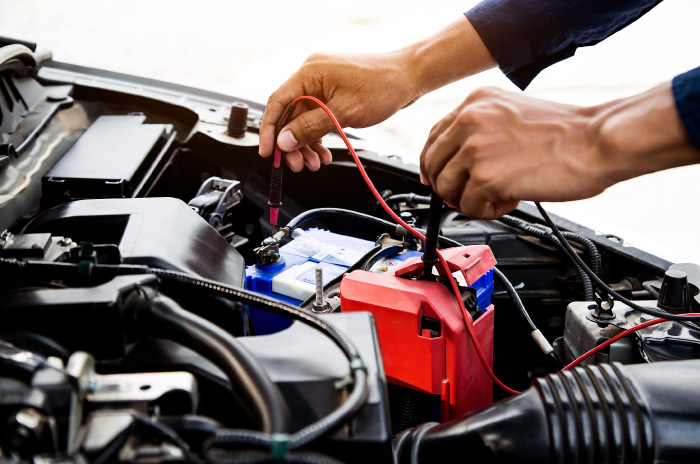
A proper diagnosis may require scan data, electrical testing, pressure measurements, visual inspection, or other tests depending on the vehicle.
Don’t Ignore Air, Fuel, and Ignition Basics
An engine needs the correct operating conditions to run properly. Restrictions, worn ignition components, sensor faults, fuel-delivery problems, vacuum leaks, and mechanical issues can produce overlapping symptoms.
That overlap is why replacing the first part mentioned in an online discussion can waste money. Everyday information feeds may help you build general background knowledge, but vehicle-specific testing should determine what gets repaired.
Check maintenance records before authorizing unrelated replacements. Knowing what has already been serviced can prevent duplicate work and give a technician useful context.
Common Repair Mistakes That Cost More
Continuing to drive while performance steadily worsens can turn a manageable fault into a breakdown or secondary damage. The opposite mistake is replacing several components at once without confirming which one caused the problem.
Cheap replacement parts can also complicate troubleshooting if a newly installed component introduces another fault. And clearing a warning light without recording diagnostic information may erase useful clues before the underlying condition has been identified.
Good maintenance is systematic rather than reactive.
When the Car Should Be Checked Promptly
Stop treating poor performance as routine if the vehicle becomes unsafe to operate, overheats, loses substantial power, develops severe knocking or abnormal mechanical noise, produces heavy smoke, shows an oil-pressure warning, or exhibits another serious warning condition.
If a warning indicator is flashing or the owner’s manual directs you to stop driving, follow the vehicle manufacturer’s guidance. Continuing to operate a car with a potentially damaging fault can create larger repair costs and safety risks.
Frequently Asked Questions
Can overdue servicing cause poor engine performance?
It can contribute in some cases. Worn service items, degraded fluids, neglected filters, or overdue ignition maintenance may affect how an engine runs, though performance problems can also come from faults unrelated to routine service.
Why does my engine run poorly only when cold?
Cold-start problems can involve several systems, including sensors, ignition, fuel delivery, air control, battery condition, or mechanical factors. The exact cause requires diagnosis rather than symptom matching alone.
Should I replace a part when a diagnostic code names it?
Not automatically. A trouble code identifies a condition detected by the vehicle’s control system. Testing may still be needed to determine whether the named component, wiring, another system, or an operating condition caused it.
Catch Changes Before They Become Breakdowns
Keep service records, follow the maintenance schedule for your specific vehicle, and investigate noticeable changes in starting, idling, acceleration, sound, or fuel use.
Regular servicing works best when paired with diagnosis. Maintenance can prevent some problems, while careful testing catches faults that routine replacement cannot. Address small performance changes while the vehicle is still giving you time to respond.