
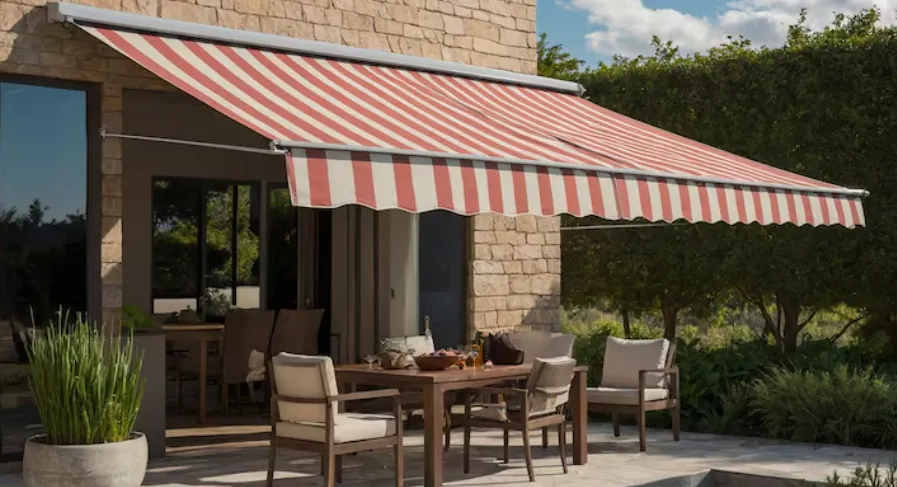
Outdoor spaces are an important part of any home, offering areas for relaxation, dining, and entertaining. Many homeowners choose awnings for homes to provide shade and improve comfort in patios, windows, and balconies. Awnings protect interiors from harsh sunlight, reduce heat, and can help lower energy costs. They also enhance the visual appeal of a property by adding structure and design elements to exterior spaces. Selecting the right style and material ensures that awnings remain durable while complementing the home’s architecture and overall aesthetic.
Benefits of Installing Awnings
Awnings offer several practical and aesthetic advantages. They provide shade and protection from UV rays, making outdoor areas more comfortable during sunny days. Awnings also help protect furniture, flooring, and interior spaces from sun damage. In addition, well-chosen awnings can enhance the exterior look of a home, adding character and style. By creating shaded outdoor areas, homeowners can make better use of patios, decks, and windows while enjoying cooler, more comfortable living spaces.
Materials and Styles for Awnings
Awnings come in a variety of materials, including fabric, aluminium, and acrylic options. Fabric awnings are popular for their flexibility, wide colour choices, and ease of replacement. Aluminium or metal awnings offer durability and resistance to harsh weather, making them a long-lasting solution. Retractable awnings provide versatility by allowing users to adjust the amount of coverage depending on sunlight or weather conditions. Choosing the right material ensures durability, visual appeal, and optimal performance for the home.
Complementary Window Treatments
While awnings provide shade from the outside, interior solutions like blackout blinds can enhance comfort inside the home. Blackout blinds block sunlight completely, improving privacy and preventing glare. They are particularly useful in bedrooms or media rooms where light control is essential. Combining external awnings with internal blinds gives homeowners flexibility to control light, temperature, and privacy, creating a more comfortable and energy-efficient living environment.
Installation Considerations for Awnings
Proper installation is essential to ensure awnings perform effectively. Measuring the area accurately and selecting suitable mounting options help prevent issues such as sagging or instability. Professional installation ensures the awning is secure and functions smoothly, whether it is fixed or retractable. Correct installation also extends the lifespan of the awning by reducing stress on the fabric or frame, maintaining both safety and appearance over time.
Maintaining Awnings and Blinds
Regular maintenance helps extend the life of both awnings and blinds. Fabric awnings should be cleaned to remove dirt, dust, and mildew, while metal frames may need occasional inspection for rust or loose fittings. Blackout blinds should also be cleaned according to the manufacturer’s instructions and checked for proper operation. Consistent maintenance ensures these features remain functional, visually appealing, and effective in controlling light and heat throughout the home.
Enhancing Home Comfort and Functionality
Well-chosen awnings for homes can transform outdoor spaces by providing shade, improving energy efficiency, and enhancing the property’s exterior design. When paired with internal solutions like blackout blinds, they offer homeowners complete control over light, temperature, and privacy. These installations not only improve comfort but also contribute to a home’s aesthetic and functional value. Investing in quality materials, professional installation, and regular maintenance ensures that both awnings and blinds remain effective for years to come.

