
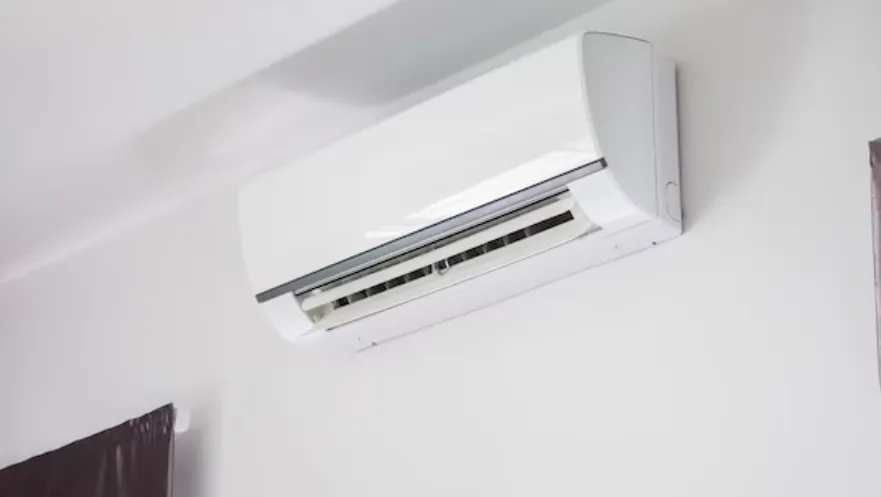
Cooling technology plays an essential role in maintaining comfortable indoor environments in homes, offices, and commercial spaces. One of the most widely used devices for this purpose is the air conditioning unit, which is designed to regulate indoor temperature and improve air circulation. These systems operate through a combination of mechanical and electrical components that work together to remove heat from indoor spaces. When installed and maintained properly, air conditioning units help maintain consistent temperature levels while also contributing to better indoor air quality and overall environmental comfort.]
Understanding the Basic Function of Cooling Equipment
An air conditioning system works by transferring heat from inside a building to the outside environment. This process involves several components, including a compressor, condenser coil, evaporator coil, and refrigerant. The refrigerant absorbs heat from indoor air and carries it through the system, where it is released outdoors. This continuous cycle allows the system to lower indoor temperatures and maintain a comfortable atmosphere within the space.
Key Components of an Air Conditioning Unit
The performance of an air conditioning system depends on the coordination of several important components. The compressor is responsible for circulating refrigerant through the system, while the evaporator coil absorbs heat from the indoor air. The condenser coil then releases that heat outside the building. Fans and filters also play important roles by helping distribute cooled air and removing dust or particles from the airflow. Together these components ensure that the cooling process works effectively.
The Role of an HVAC System in Temperature Control
In many buildings, the HVAC system manages not only cooling but also heating and ventilation. HVAC stands for heating, ventilation, and air conditioning. These systems are designed to regulate temperature, maintain air circulation, and improve indoor air quality. By integrating heating and cooling functions within a single framework, HVAC systems allow buildings to maintain comfortable conditions throughout different seasons.
How HVAC Systems Improve Indoor Air Quality
Modern HVAC systems include filtration and ventilation features that help control indoor air conditions. Air filters capture dust, pollen, and other airborne particles before they circulate through the building. Ventilation systems also introduce fresh air from outside while removing stale indoor air. These processes support healthier indoor environments and help maintain proper airflow throughout the building.
Maintenance and System Efficiency
Regular inspection and maintenance are important for keeping cooling systems functioning properly. Cleaning filters, checking refrigerant levels, and inspecting electrical components can help maintain system efficiency. Without proper maintenance, dust buildup and worn components may reduce performance and increase energy consumption. Routine servicing helps ensure that both air conditioning units and integrated HVAC systems continue to operate effectively over time.
Why the Air Conditioning Unit Is Essential for Indoor Comfort
A properly functioning air conditioning unit contributes significantly to indoor comfort by regulating temperature and supporting airflow within enclosed spaces. When combined with the broader structure of an HVAC system, it becomes part of a comprehensive approach to climate control. Reliable operation, proper installation, and consistent maintenance allow these systems to provide stable cooling performance and maintain comfortable indoor environments in a wide range of buildings.