Poor battery charging doesn’t automatically mean the battery itself has failed. A charging-system problem, loose electrical connection, damaged belt, parasitic drain, or aging battery can produce similar symptoms. Checking how the battery receives and holds a charge can prevent replacing a good component while the real fault remains.
Distinguish Battery Trouble From Charging Trouble
A weak battery may struggle to start the engine after sitting, while an alternator or charging-system problem can allow a good battery to become discharged repeatedly during normal use.
Vehicle owners researching symptoms may compare manuals, repair information, and general automotive reading. Online descriptions can help organize possibilities, but testing is more dependable than choosing a part from symptoms alone.
Look at the Pattern Over Time
Notice whether the problem appears after the vehicle sits overnight, after driving, or while electrical accessories are operating. That timing helps a technician separate storage-capacity problems from charging or electrical-load issues.
Inspect Simple Charging-System Problems First
Before electrical testing, inspect only what can be checked safely. Turn the engine off before inspecting belts or working near moving engine components, and never disconnect a battery cable while the engine is running as a charging-system test.
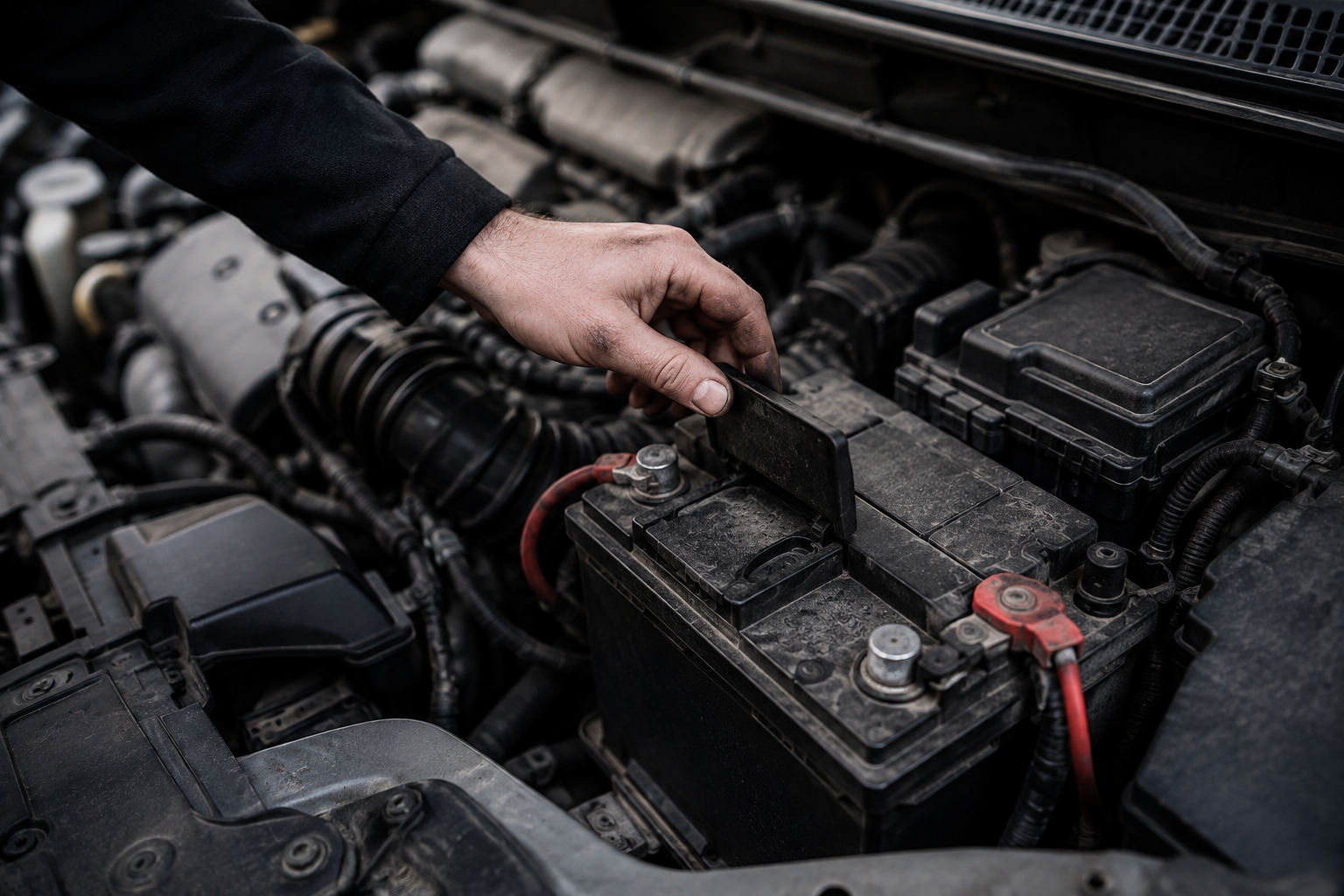
Look for visibly loose battery connections, heavy corrosion, obvious cable damage, or a belt that appears damaged or unusually loose. If access is difficult or you’re unfamiliar with under-hood work, professional inspection is the safer choice.
People may encounter author-led maintenance discussions while researching, but vehicle-specific service information should determine correct procedures.
Test Before Buying Another Battery
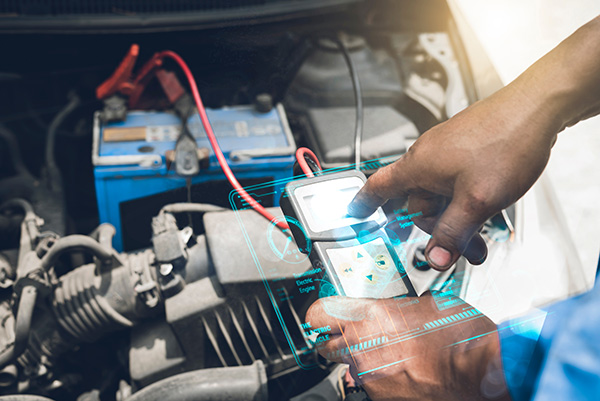
A proper diagnosis may include checking battery condition and charging-system output. The purpose is to determine whether the battery can store energy and whether the alternator is replenishing that energy while the engine operates.
| Clue | Possible Area | What to Check |
|---|---|---|
| Battery repeatedly goes flat | Charging or drain | System test |
| Slow starting after sitting | Battery or drain | Battery condition |
| Warning light appears | Charging system | Diagnostic inspection |
| Lights change with engine speed | Electrical system | Charging performance |
Many auto-parts stores and repair facilities can test batteries and charging systems. Results should be interpreted together rather than assuming one reading identifies every electrical fault.
Don’t Ignore Connections and Electrical Loads
Even functioning components can perform poorly through damaged cables, weak grounds, or contaminated terminals. Excess resistance in a connection may reduce charging effectiveness and complicate diagnosis.
Vehicle owners comparing independent car-care commentary should also consider equipment added after the vehicle left the factory. Audio systems, accessories, chargers, lighting, or improperly installed electronics can create electrical demands or drains worth checking.
The point isn’t to blame accessories automatically. It’s to include the entire electrical system instead of testing the battery in isolation.
Where Parts-Replacement Guessing Gets Expensive
Replacing the battery first, then the alternator, then another electrical component is an expensive way to troubleshoot. A newly installed battery can become discharged again if the charging fault was never corrected.
The reverse happens too. An alternator may be blamed when an aging battery can no longer hold a useful charge. Testing both sides of the charging relationship—and checking cables and connections—creates a clearer diagnosis before money is spent.
Frequently Asked Questions
Can a bad alternator damage a new battery?
A charging-system fault can leave a new battery repeatedly undercharged or otherwise operating outside normal conditions. Correcting the charging problem is important rather than repeatedly charging or replacing batteries without finding the cause.
Will a car still run with a weak alternator?
A vehicle may continue operating temporarily while relying on stored battery energy, depending on the nature of the fault. Charging warnings or repeated electrical problems should be inspected rather than used to predict remaining driving time.
Should I replace the battery and alternator together?
Not automatically. Each component should be tested when possible. If one part is functioning correctly, replacing it simply because another component failed may add unnecessary cost.
Diagnose the Charging System Before Spending
A battery and alternator work as part of the same electrical system, so either one can make the other appear responsible for a problem. Start with safe visual checks, then use proper battery and charging-system testing. Finding the failed connection or component first is usually cheaper than replacing parts until the symptoms disappear.