
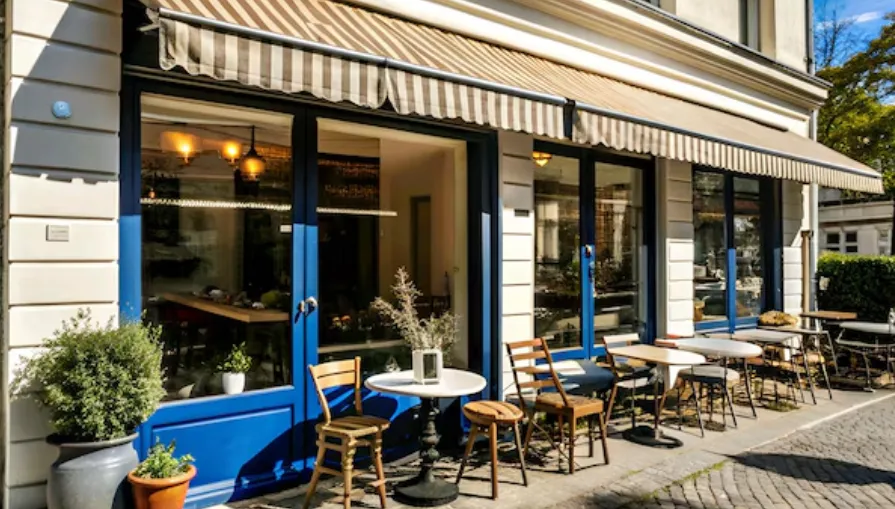
Creating a welcoming outdoor space is important for restaurants that want to attract more customers and provide a comfortable dining environment. Many businesses invest in restaurant canopies to offer shelter, protect patrons from sunlight and rain, and enhance the overall look of their outdoor areas. Canopies not only improve comfort but also add a professional and stylish touch to the establishment. Choosing the right design and materials ensures durability, ease of maintenance, and a positive experience for customers in all weather conditions.
The Role of Canopies in Outdoor Dining
Restaurant canopies serve as functional extensions of indoor spaces. They allow restaurants to maximise outdoor seating while offering protection from the elements. Canopies create shaded areas that keep diners comfortable during hot days and provide cover during light rain. By improving the usability of outdoor areas, canopies help restaurants increase capacity, enhance the dining experience, and encourage customers to stay longer. Properly designed canopies also contribute to the restaurant’s brand image and kerb appeal.
Benefits of Installing Restaurant Canopies
Canopies offer several advantages for restaurant owners. They protect furniture and equipment from weather damage, reducing maintenance costs. They also create a comfortable environment for diners, which can lead to longer visits and higher customer satisfaction. Additionally, canopies can be customised to match the style and branding of the restaurant, enhancing the aesthetic appeal. These features make canopies a practical and attractive solution for businesses looking to improve their outdoor spaces and customer experience.
Complementary Solutions with Restaurant Awnings
Many restaurant owners also choose restaurant awnings to complement canopies. Awnings provide additional shade and protection for windows, entrances, and outdoor seating areas. They can be retractable, allowing flexibility depending on the weather or time of day. Awnings help regulate indoor temperatures by reducing sunlight exposure, which can lower energy costs. Combined with canopies, awnings create a cohesive and professional look while improving comfort for customers both inside and outside the establishment.
Materials and Design Considerations
Durable materials are essential for both canopies and awnings to withstand frequent use and outdoor conditions. Common options include aluminium, stainless steel, and weather-resistant fabrics. High-quality materials ensure that installations remain functional and visually appealing for years. Design considerations such as size, shape, and colour should complement the restaurant’s style and branding. Choosing the right materials and design enhances the longevity, safety, and aesthetic appeal of outdoor dining areas.
Maintenance for Longevity
Regular maintenance ensures that canopies and awnings continue to perform effectively. Cleaning the fabric and inspecting frames for wear or damage helps prevent deterioration. Retractable awnings should be checked for smooth operation and secure mounting. Proper maintenance prolongs the lifespan of the installations, keeping the outdoor areas safe, comfortable, and attractive for customers. Businesses that maintain their canopies and awnings protect their investment while ensuring a consistently positive customer experience.
Enhancing Restaurant Functionality and Appeal
Well-installed restaurant canopies improve the functionality of outdoor spaces, offering shade, shelter, and comfort for diners. When paired with restaurant awnings, these solutions create a cohesive design that protects customers and enhances the restaurant’s exterior. Investing in high-quality canopies and awnings allows restaurants to provide a better dining experience, increase seating capacity, and improve overall visual appeal. These features contribute to long-term customer satisfaction and the professional presentation of the establishment.
