
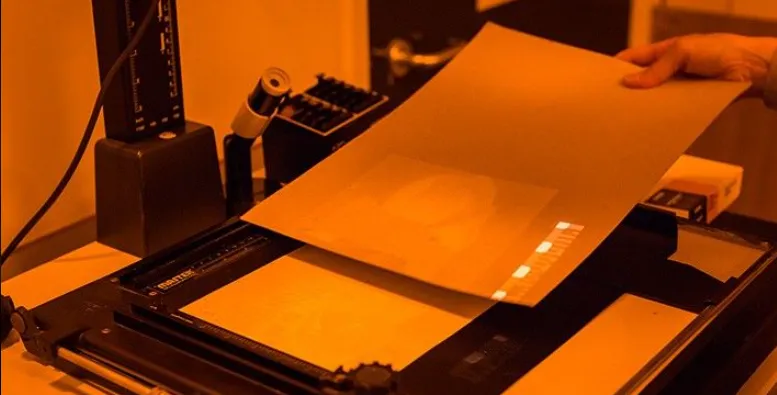
Modern printing processes rely on specialised materials that allow designs to be transferred accurately onto different surfaces. Among these materials, photopolymer plates play an important role in several printing techniques where precision and durability are required. These plates are created using light-sensitive polymer materials that harden when exposed to ultraviolet light. The process produces detailed relief images that can be used repeatedly during printing. Because of their accuracy and stability, photopolymer plates have become widely used in the packaging, label production, and decorative printing industries.
Understanding the Structure of Photopolymer Plates
Photopolymer plates are produced from a light-sensitive polymer sheet that reacts to ultraviolet exposure. During plate creation, a film with the desired design is placed over the polymer surface and exposed to light. The exposed areas harden, while the unexposed parts remain soft and are washed away. This process leaves behind a raised image that can transfer ink or foil during printing. The resulting plate is durable and capable of maintaining fine details, making it suitable for high-quality printing work.
Advantages of Photopolymer Plates in Printing
One of the main advantages of photopolymer plates is their ability to reproduce detailed designs with consistent clarity. They can capture fine lines, textures, and small typography without distortion. Another benefit is their flexibility, which allows them to adapt to curved or uneven printing surfaces in some applications. The plates are also relatively lightweight and easy to mount on printing machines. These qualities make them efficient for industries that require reliable and repeatable printing performance.
Role of Foil Printing in Decorative Applications
In addition to standard ink printing, decorative techniques such as foil printing are often used to create metallic or reflective designs on materials like paper, cardboard, and synthetic substrates. This process involves applying heat and pressure to transfer a thin metallic foil onto the surface of the material. The result is a bright and durable finish that is commonly used for product packaging, book covers, certificates, and promotional materials where visual impact is important.
How Photopolymer Plates Support Foil Printing
Photopolymer plates can be used to create the raised design surfaces needed for foil transfer in certain printing setups. When mounted correctly, the plate presses the foil against the substrate under controlled heat and pressure. The foil adheres only to the areas defined by the plate design, producing sharp and clean impressions. Because photopolymer plates can capture intricate patterns, they allow foil printing to reproduce detailed graphics and text with a high level of precision.
Applications Across Different Industries
Both photopolymer plates and foil printing are widely used in commercial printing and packaging industries. Businesses often rely on these methods to produce decorative packaging, branded materials, and security markings. Foil printing is frequently applied to labels, invitations, certificates, and luxury packaging. Meanwhile, photopolymer plates provide the structural base needed to ensure that designs are transferred accurately and consistently across large production runs.
Conclusion
Reliable printing techniques depend on materials that can maintain precision and durability throughout repeated use. Photopolymer plates provide an effective solution by allowing detailed designs to be transferred accurately during printing processes. When combined with decorative techniques such as foil printing, these plates help create clear and visually distinctive impressions on various materials. Their ability to reproduce intricate patterns and maintain stability during production makes them an important component in modern printing and packaging operations.
