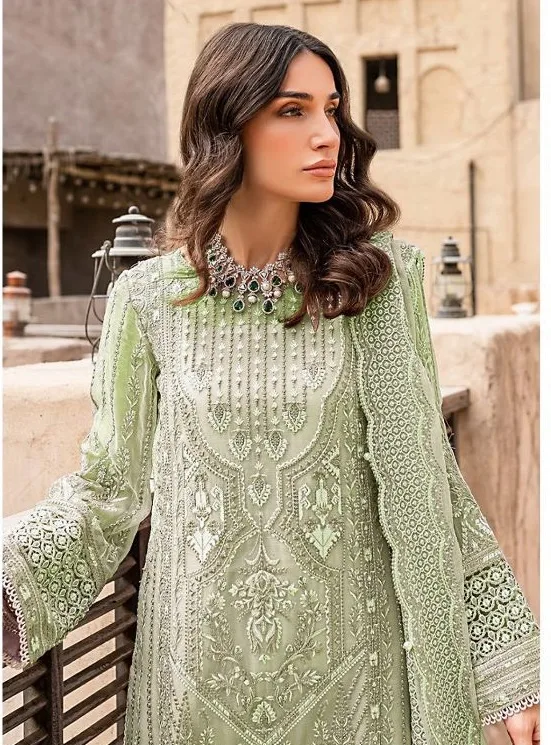
Pakistani designer wear has gained significant recognition in the global fashion industry due to intricate craftsmanship, premium fabrics, and cultural richness. The pricing of these outfits often raises questions about value versus cost. Many collections feature hand embroidery, traditional techniques, and limited-edition designs, contributing to higher price points. Market demand continues to grow among fashion enthusiasts seeking elegance combined with heritage aesthetics. However, evaluation of affordability and long-term value remains essential when considering such apparel. Understanding the factors behind pricing helps in making informed fashion decisions without compromising on style, quality, or cultural appreciation in modern wardrobes.
Understanding Pakistani designer wear pricing
Pricing structure in Pakistani designer wear is influenced by fabric selection, craftsmanship complexity, and brand positioning. High-end collections often use silk, chiffon, organza, and handwoven textiles, which increase production costs. Embroidery techniques such as zardozi, dabka, and mirror work require skilled artisans and extended working hours. Limited production runs further increase exclusivity and market value. Seasonal fashion trends and designer reputation also contribute to pricing variations. Retail markup in luxury boutiques adds another layer to final cost. Each element combines to create a product positioned in premium fashion segments, making affordability dependent on budget range and perceived cultural value.
Key factors affecting cost of Pakistani designer wear
- Fabric quality: Premium materials such as silk, organza, and velvet increase overall production expenses and enhance garment durability.
- Hand embroidery: Detailed craftsmanship involving zardozi, sequins, and threadwork requires significant time and skilled labor.
- Designer brand value: Established designers command higher pricing due to reputation, exclusivity, and demand.
- Limited editions: Small production batches increase rarity and overall market value.
- Workmanship hours: Extended manual work contributes directly to higher final retail pricing.
Each factor plays a distinct role in shaping the final cost structure, creating a balance between artistic value and market positioning.
Quality vs price comparison in Pakistani designer wear
Quality and pricing often reflect a direct relationship in Pakistani designer wear collections. High-priced outfits generally feature superior stitching, refined finishing, and durable fabric compositions. Lower-priced alternatives may offer similar visual appeal but often differ in embroidery precision and fabric longevity. Luxury collections prioritize detailing and craftsmanship consistency, while mid-range options focus on affordability with moderate design complexity. Evaluation of stitching quality, fabric fall, and embroidery neatness helps determine whether pricing aligns with overall garment value. Market segmentation ensures availability across different budget levels, allowing varied access to designer fashion aesthetics.
When Pakistani designer wear becomes worth investment
Investment value in Pakistani designer wear increases when outfits offer long-term usability, timeless design, and strong craftsmanship. Formal wear, bridal collections, and heavily embroidered ensembles often retain aesthetic appeal across seasons. Limited-edition pieces from renowned designers may also hold resale or heritage value over time. Occasion-based clothing with durable fabric and classic styling tends to justify higher pricing due to repeated usability. Emotional and cultural significance further enhances perceived value, especially in traditional celebrations. Cost-effectiveness improves when garments maintain structure, color quality, and embroidery integrity after multiple uses and proper care.
Tips for evaluating designer outfits before purchase
Careful assessment improves decision-making when selecting Pakistani designer wear. Fabric composition should be examined for comfort, durability, and seasonal suitability. Stitching quality indicates overall craftsmanship strength and garment longevity. Embroidery density and finishing accuracy reflect labor intensity and design authenticity. Comparison across similar collections helps identify fair market pricing. Attention to return policies, authenticity checks, and seasonal discounts supports better value selection. Storage and maintenance requirements also influence long-term satisfaction. Balanced evaluation of aesthetics and practicality ensures alignment between pricing and expected usability without compromising fashion appeal.
Filhaal UK and access to Pakistani designer wear
Filhaal UK serves as a specialized platform for Pakistani designer wear, offering access to a wide range of curated collections from renowned designers. The platform simplifies international availability, allowing fashion enthusiasts in the United Kingdom to explore traditional and contemporary outfits without geographical limitations. Authenticity assurance and quality-focused selection enhance customer confidence. Seasonal collections, bridal wear, and formal attire are presented with detailed categorization for easier browsing. Competitive pricing and reliable delivery services contribute to a smooth shopping experience. Filhaal UK bridges cultural fashion with global accessibility, making premium designer outfits reachable for diverse audiences seeking elegance and heritage style.