
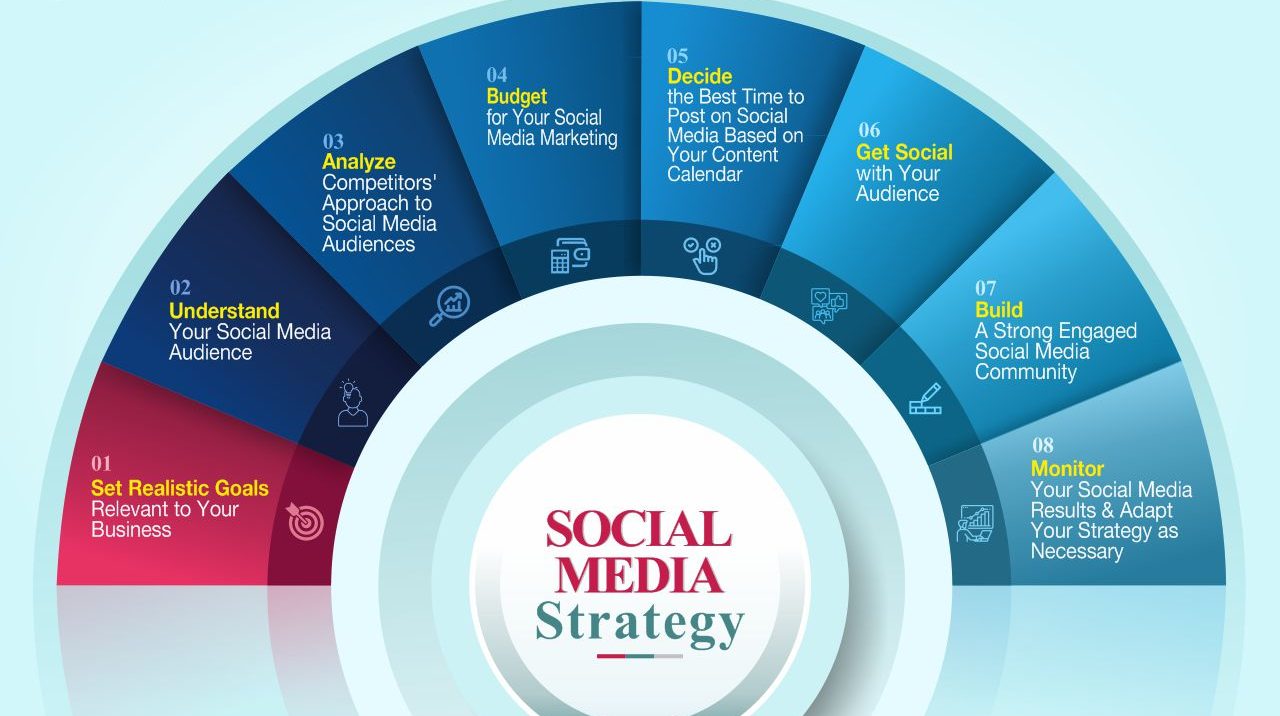
In the early days of social media, businesses treated platforms like Facebook and Instagram as digital billboards. Success was often measured by vanity metrics-how many followers a page had or how many “likes” a picture received. Today, the digital landscape has completely transformed.
Social media is no longer just about maintaining a static presence; it is a highly competitive arena where attention is the most valuable currency. For modern businesses, relying on casual, unplanned posting is a recipe for stagnation. True growth requires a data-driven, strategic approach to Social Media Marketing (SMM).
The shift in algorithms has fundamentally changed how content is consumed. Platforms now prioritize engagement, watch time, and relevance over chronological posting. This is especially true with the explosive rise of short-form video content, such as Reels. To capture an audience’s attention, a business has merely seconds to deliver value, evoke emotion, or solve a problem. Producing high-quality, engaging content that resonates with a specific demographic is no longer optional-it is the absolute baseline for survival.
However, great content alone is not always enough to overcome the natural decline in organic reach. To guarantee that your brand’s message gets in front of the right eyes, businesses must invest in targeted advertising. Advanced ad platforms allow for incredibly precise audience segmentation, ensuring that marketing budgets are spent only on users who are most likely to convert. Setting up these campaigns correctly, navigating complex account restrictions, and optimizing for the best return on investment requires deep technical knowledge.
This is why partnering with experts who provide professional SMM services is a game-changer for brands looking to scale efficiently.
A professional strategy goes far beyond simply uploading a photo or video. It involves comprehensive market research, competitor analysis, and the development of a tailored content calendar. It means understanding the nuanced differences between platforms-knowing that a polished, B2B-focused post on LinkedIn requires a completely different tone than a trend-driven video on TikTok or Instagram. It also involves active community management, engaging with your audience, and building the brand authority that turns casual scrollers into loyal customers.
Moreover, maintaining brand consistency across multiple channels is crucial. A user might discover your brand through a viral video on one platform, research your company culture on another, and finally make a purchase after seeing a retargeted ad. A disjointed presence can confuse potential customers and erode trust. A unified strategy ensures that your brand’s voice, visual identity, and core messaging remain cohesive, regardless of where the customer interacts with you.
Furthermore, the true power of a professional SMM campaign lies in its analytics. Every interaction, click, and view provides valuable data. Expert marketers continuously monitor these metrics to see what is working and what isn’t. By A/B testing different ad creatives, refining audience targeting, and analyzing conversion rates, they ensure that every campaign is more effective than the last. The focus shifts from merely generating digital noise to driving real business results, such as lead generation, increased website traffic, and direct sales.
In conclusion, the era of improvised social media marketing is over. To stand out in a saturated feed, businesses need a cohesive blend of compelling, high-quality content and sophisticated, targeted advertising. By treating social media as a measurable, strategic channel rather than an afterthought, brands can build meaningful relationships with their audience and achieve sustainable, long-term success.