
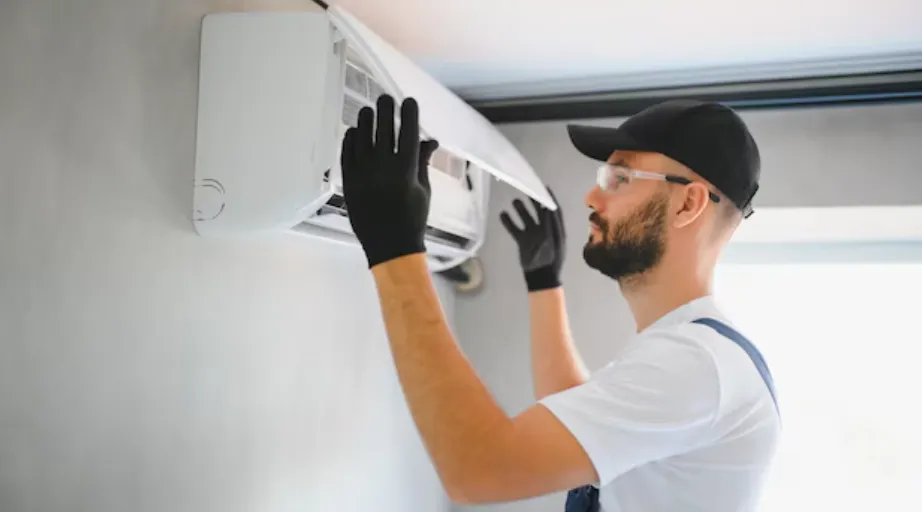
Air conditioning systems play an important role in maintaining comfortable indoor temperatures, especially in regions where warm weather is common. To ensure reliable performance, many homeowners and businesses rely on regular AC maintenance to keep their systems functioning properly. Maintenance involves inspecting components, cleaning filters, and checking the overall condition of the equipment. When these tasks are performed regularly, air conditioning units are more likely to operate efficiently and provide consistent cooling. Proper maintenance can also help identify minor technical issues before they develop into larger mechanical problems.
Understanding the Importance of Regular Maintenance
Regular maintenance is essential for keeping air conditioning systems operating efficiently. Over time, dust and debris can accumulate within filters and internal components, which may reduce airflow and strain the system. Cleaning these components and checking refrigerant levels allows the unit to maintain its cooling performance. Routine inspections also help technicians detect worn parts that may require adjustment or replacement before they affect the overall functionality of the system.
Key Components Checked During Maintenance
During a typical maintenance service, technicians inspect several important parts of the cooling system. Air filters are cleaned or replaced to maintain proper airflow, while condenser and evaporator coils are examined for dirt or blockages. Electrical connections are also checked to ensure that the system operates safely. These inspections help maintain system efficiency and reduce the likelihood of unexpected breakdowns during periods of heavy usage.
Understanding the Process of AC Installation
Proper AC installation is another critical factor that affects the long-term performance of a cooling system. Installation involves selecting the appropriate unit size, positioning the equipment correctly, and connecting electrical and refrigerant lines according to technical guidelines. When installation is performed accurately, the air conditioning unit can distribute cooled air effectively throughout the indoor space. Incorrect installation may reduce efficiency and lead to operational issues over time.
Factors That Influence Installation Quality
Several factors determine the effectiveness of an air conditioning installation. The size of the unit must match the cooling requirements of the building to ensure balanced performance. Ventilation pathways and duct systems also need to be positioned correctly to distribute air evenly. Professional technicians usually evaluate room dimensions, insulation conditions, and airflow patterns before completing the installation process.
Maintaining Efficiency After Installation
Once an air conditioning system has been installed, ongoing care becomes necessary to maintain its performance. Regular cleaning, system inspections, and timely repairs can help extend the lifespan of the equipment. Maintenance activities help ensure that airflow remains consistent and that mechanical components continue to operate smoothly. This combination of proper installation and continued care allows cooling systems to function reliably throughout their operational life.
Why AC Maintenance Supports Long-Term System Reliability
Consistent AC maintenance plays a significant role in preserving the efficiency and reliability of cooling equipment. When systems are inspected regularly and minor issues are addressed promptly, they are less likely to experience performance problems. Proper care helps maintain stable cooling performance, supports energy efficiency, and contributes to the long-term durability of the air conditioning system.