
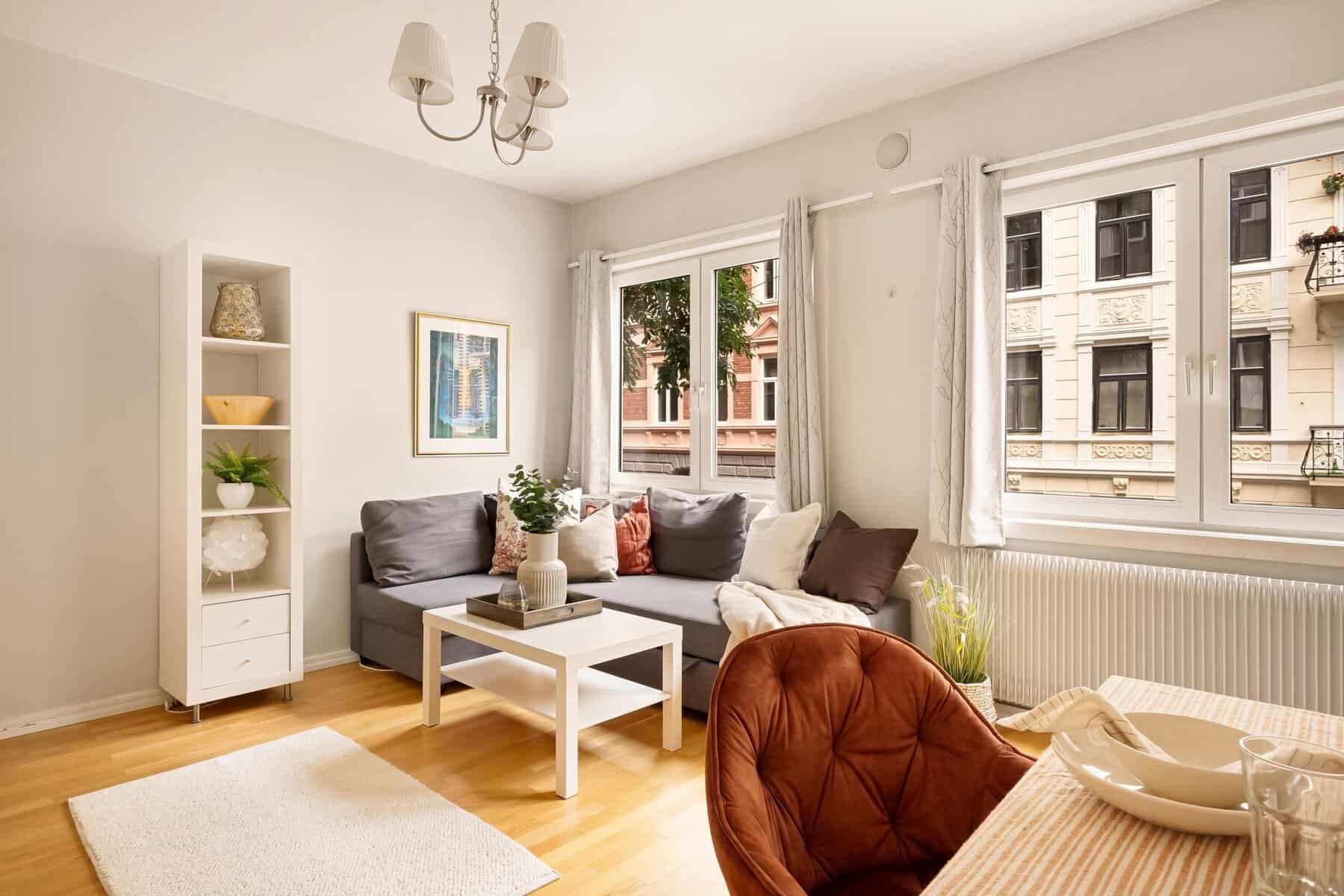
Home staging should make a property easier to understand, not fill it with more decoration. One of the most common mistakes is leaving too many belongings in rooms before buyer visits. Excess furniture, crowded shelves, countertop items, and personal collections can hide useful space and make storage seem smaller than it actually is.
Start With Visible Clutter
Begin with the surfaces buyers notice immediately. Kitchen counters, bathroom vanities, coffee tables, dining tables, desks, and entry furniture should have breathing room.
Don’t move everything into closets at the last minute. Buyers may open storage areas, and packed closets can suggest the home lacks enough space. Broader property presentation resources may appear while researching staging, but the practical goal remains simple: make the home’s usable space easier to see.
Remove Before You Organize
Buying containers for belongings you don’t need can create neatly arranged clutter instead of solving the problem.
Pack, donate, sell, or discard unnecessary items first. Organize what remains afterward.
Avoid Oversized Furniture
A room can technically fit several pieces of furniture and still look cramped. Staging should emphasize comfortable movement and clear purpose.
Remove pieces that block windows, doorways, or natural walking paths. In smaller rooms, one properly scaled seating area often looks better than multiple chairs and tables competing for space.
| Staging Mistake | What Buyers May Notice | Better Choice |
|---|---|---|
| Packed counters | Limited workspace | Clear most items |
| Full closets | Poor storage | Reduce contents |
| Oversized furniture | Tight rooms | Remove extra pieces |
| Heavy decor | Visual distraction | Keep simple accents |
Don’t Forget Outdoor Clutter
Porches, patios, balconies, garages, and yards contribute to the showing experience. Empty planters, unused equipment, children’s items, tools, and damaged outdoor furniture can create the same crowded feeling as indoor clutter.
While exploring outdoor design thinking, sellers may encounter more elaborate ideas, but staging doesn’t require a complete landscape redesign. Removing unnecessary objects and cleaning visible surfaces often produces the clearest improvement.
Keep Functional Items Neat
Trash bins, hoses, garden tools, and cleaning supplies don’t need to disappear completely.
Store them neatly so buyers can focus on the property rather than household equipment.
Use Decoration With Restraint
A few carefully placed items can help a room feel comfortable. Too many decorative objects compete with architectural features and make photographs busier.
General residential styling inspiration can spark ideas, but a staged property isn’t a permanent interior-design project. Buyers should remember the windows, room size, flooring, kitchen, and layout rather than a collection of accessories.
Use decor to support the room’s function. Don’t make it the main event.
Staging Choices That Often Backfire
Removing every object can make a home feel cold and give buyers little sense of scale. The opposite extreme is worse: leaving every chair, photograph, book, appliance, and decorative piece in place.
Another mistake is hiding clutter inside one room that buyers are expected to ignore. A garage or spare bedroom packed to the ceiling still becomes part of the showing. Reduce belongings throughout the property instead of relocating the problem.
Frequently Asked Questions
How much should I declutter before selling my home?
Aim to expose useful surfaces, create clear walking paths, and leave storage areas visibly usable. You don’t need an empty house, but each room should feel easy to understand.
Should family photos be removed before showings?
Removing most highly personal photographs can reduce visual distraction. A few neutral personal touches aren’t necessarily harmful, but large collections can dominate shelves and walls.
Where should I put clutter while my home is listed?
Use off-site storage, neatly packed garage areas, or another organized location when possible. Avoid filling closets and cabinets because buyers often inspect storage capacity during showings.
Give Buyers Space to See the Home
Good staging removes obstacles between the buyer and the property. Clear counters, reduce furniture, organize storage, simplify decoration, and tidy outdoor areas before showings begin. The result shouldn’t feel empty or artificial. It should make rooms easier to move through, photograph, compare, and imagine living in.

