
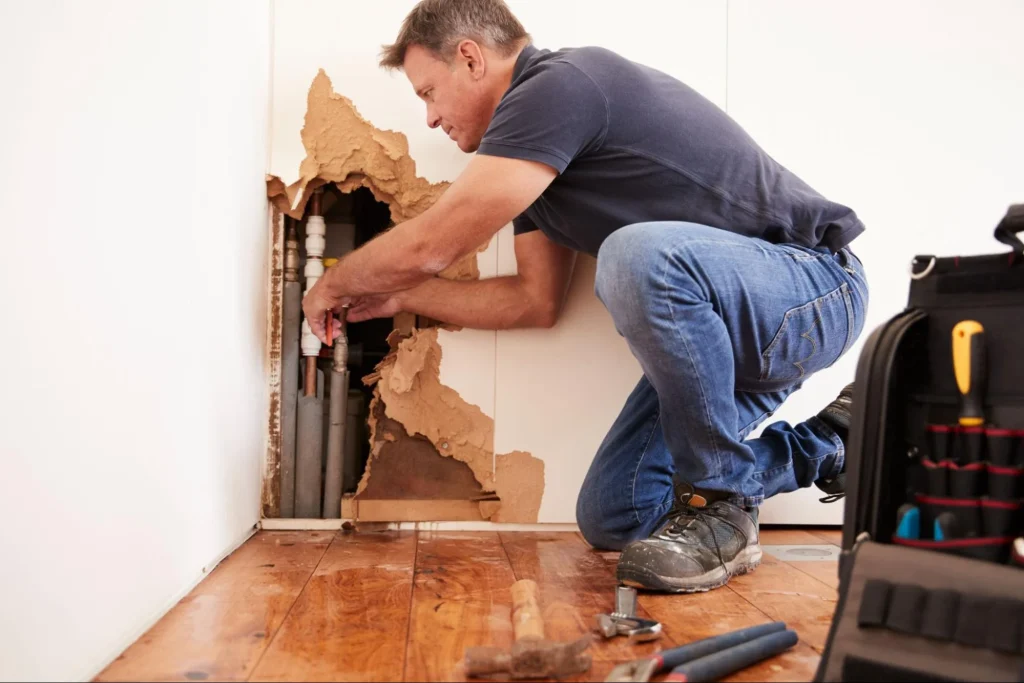
Emergency repairs become harder when the property team has to decide everything after the problem begins. A burst pipe, major electrical failure, damaged entry system, or serious leak may require several actions at once. A written response plan gives staff a starting point for protecting people, limiting damage, contacting appropriate help, and communicating with affected tenants.
Decide What Counts as an Emergency
Not every maintenance request requires the same response. Property teams should establish clear internal categories so staff can distinguish routine work from situations that may threaten safety, security, essential services, or significant property damage.
Definitions should reflect the property, lease responsibilities, management requirements, and applicable local rules. Staff members also need clear instructions about who can make decisions outside normal business hours.
A consistent classification process reduces both overreaction and dangerous delays.
Create Contact Paths Before a Failure
Emergency plans should identify who gets called first for common scenarios. That may include property staff, plumbers, electricians, HVAC contractors, restoration companies, security providers, elevator services, or other specialists.
Managers considering broader community property context can still build their own location-specific response list based on actual building systems. Contacts should be stored somewhere accessible to authorized employees rather than on one person’s phone.
Backup numbers matter because an emergency contractor may already be handling another call.
Give Staff Simple Response Procedures
Employees don’t need a massive manual for every possible failure. They need clear first actions, escalation contacts, communication responsibilities, and boundaries around work that requires trained professionals.
Managers reviewing general housing planning material should separate broad informational reading from the property’s actual emergency procedures. Internal instructions should be specific enough that an employee working an evening or weekend shift can understand whom to contact and what information to collect.
| Emergency Type | Initial Priority | Follow-Up Need |
|---|---|---|
| Major water leak | Limit exposure where safely possible | Plumbing and damage assessment |
| Power problem | Identify affected area | Qualified electrical evaluation |
| Access failure | Protect building security | Repair or temporary control |
| Storm damage | Restrict unsafe areas | Inspection and repair planning |
Include Outdoor and Structural Areas
Emergency planning should cover more than equipment inside the building. Severe weather, falling materials, damaged railings, exterior stairs, decks, drainage failures, or blocked access routes may create problems in shared outdoor areas.
Considering outdoor maintenance planning as part of broader property operations can help managers remember areas that aren’t involved in daily service calls. Plans should identify how affected areas will be isolated and which type of professional may need to evaluate the damage.
Staff should not perform hazardous work outside their training.
Where Emergency Plans Commonly Fail
A plan can look impressive and still fail if nobody knows where it is. Contact lists stored in an inaccessible office computer are little help during an after-hours incident.
Outdated vendor information creates a similar problem. Emergency numbers should be tested or reviewed periodically rather than assumed to remain valid forever.
Another mistake is making the plan too complicated. During a stressful incident, staff need clear priorities, not several pages of vague instructions. The strongest response plans establish immediate actions first and leave detailed administrative follow-up until the situation is under control.
Frequently Asked Questions
What information should an emergency maintenance plan include?
Useful plans generally identify emergency categories, internal contacts, contractor contacts, escalation procedures, tenant communication responsibilities, documentation requirements, and basic instructions for restricting access to unsafe areas.
How often should emergency contractor contacts be checked?
Contacts should be reviewed periodically and whenever a vendor changes numbers, service coverage, availability, or working relationships with the property.
Should property staff attempt emergency repairs themselves?
Only when the task falls within their training, authorization, and safe working procedures. Electrical, structural, gas, major mechanical, and other hazardous problems may require qualified professionals.
Prepare Before the Phone Starts Ringing
Emergency response improves when the first decisions have already been made. Define urgent situations, keep current contractor and staff contacts, assign communication responsibilities, and give employees simple escalation steps. Review the plan after actual incidents so weaknesses become improvements. A crisis may still be disruptive, but it doesn’t need to begin with confusion.