
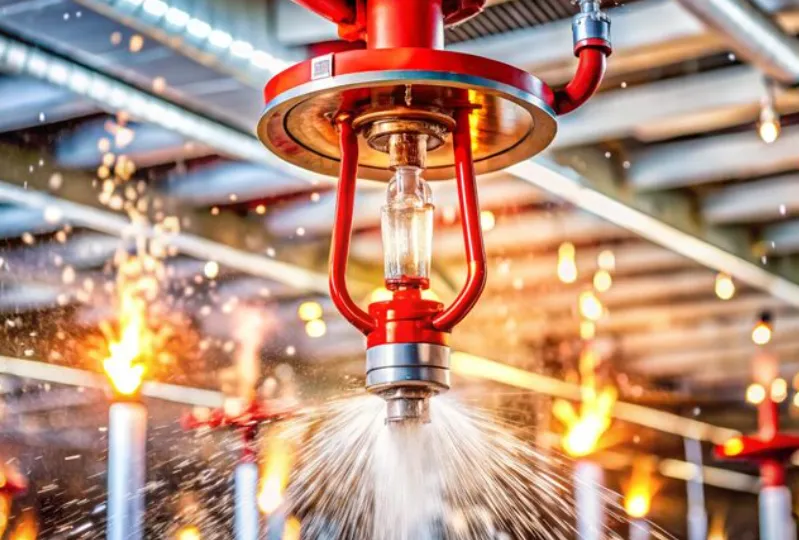
Fire safety remains one of the most critical responsibilities for businesses operating in commercial buildings. A single uncontrolled fire can cause serious damage to property, disrupt operations, and threaten employee safety.
For this reason, many organisations rely on commercial fire sprinkler systems to provide immediate fire suppression before flames spread throughout a facility.
Understanding how these systems function and why structured fire protection solutions are important helps businesses maintain safe premises, protect assets, and meet modern safety standards with confidence.
The Role of Automatic Fire Suppression in Businesses
Fire protection technology plays a vital role in modern building safety. Commercial fire sprinkler systems are designed to detect rising temperatures and automatically release water to control or extinguish fires.
These systems operate without requiring immediate human intervention, which allows them to respond quickly during the early stages of a fire. By slowing the spread of flames, they provide valuable time for evacuation and emergency response. This proactive protection significantly reduces the risk of severe damage while improving overall safety for employees and visitors.
Key Components of a Fire Sprinkler Setup
A sprinkler system consists of several essential components that work together to ensure reliable fire protection.
Important elements include:
- Water supply connected to the building’s fire protection system
- Network of pipes distributing water throughout the structure
- Sprinkler heads that activate when high temperatures are detected
- Control valves that regulate water flow
- Alarm systems that alert occupants when activation occurs
When these components are installed and maintained correctly, the system becomes a dependable safety mechanism for commercial buildings.
How Sprinkler Systems Support Fire Safety Compliance
Fire protection regulations often require businesses to maintain effective fire suppression systems. Proper installation and maintenance ensure that buildings comply with safety standards established by authorities.
Sprinkler systems help organisations meet these requirements while improving emergency preparedness. Insurance providers also recognise the value of such systems, as buildings equipped with reliable fire protection often present lower risk levels. By investing in structured fire suppression technology, businesses strengthen both regulatory compliance and overall risk management.
Why Sprinkler System Commercial Solutions Are Widely Used
Businesses across many industries rely on sprinkler system commercial installations because they provide continuous protection without complex manual operation.
These systems are particularly valuable in warehouses, offices, retail centres, and manufacturing facilities where fire hazards may exist. Their automatic activation ensures rapid response during emergencies, helping to control flames before they spread to other areas of the building. This ability to act quickly makes them a fundamental part of modern fire safety strategies in commercial environments.
Types of Sprinkler Systems Used in Commercial Buildings
Different commercial environments require specific sprinkler configurations depending on building structure and operational risks.
Common types include:
- Wet pipe systems that keep water constantly inside the pipes
- Dry pipe systems designed for areas exposed to freezing temperatures
- Pre-action systems used in facilities with sensitive equipment
- Deluge systems designed for high-risk industrial environments
- Foam-based systems used where flammable liquids are present
Each design addresses unique fire risks while maintaining reliable suppression capabilities.
Maintenance and Inspection for Reliable Protection
Regular maintenance ensures that fire protection systems operate effectively when needed. Inspections typically include testing sprinkler heads, examining pipe conditions, and verifying that control valves function correctly.
Professional technicians also review water pressure levels and alarm connections to confirm that the system responds properly during emergencies. Routine servicing not only ensures operational reliability but also helps organisations meet fire safety regulations. Maintaining the system consistently protects both the building structure and the people working inside it.
Creating a Safer Workplace Through Fire Protection Planning
Effective fire safety requires more than installing equipment. Businesses must also develop comprehensive emergency plans that support evacuation procedures and employee awareness.
Training programmes help staff understand how fire suppression systems function and what actions to take during emergencies. Clear evacuation routes, alarm systems, and emergency signage also contribute to a safer environment. When technology and planning work together, organisations can significantly reduce the risks associated with fire incidents.
Conclusion: Strengthening Business Safety with Reliable Fire Protection
Fire safety systems play an essential role in protecting commercial buildings, employees, and valuable assets. Automatic fire suppression technology provides an immediate response when temperatures rise, helping to control fires before they spread.
Modern building protection strategies combine advanced sprinkler solutions with structured fire safety planning. When businesses invest in dependable fire protection equipment and maintain it regularly, they strengthen workplace safety. Reviewing fire safety measures periodically ensures that organisations remain prepared and protected in the face of unexpected emergencies.