
Temperature control and fire safety have become essential concerns for modern facilities. From industrial environments to outdoor spaces, effective solutions are needed to manage heat and reduce potential hazards.
One widely adopted solution is the water misting system, known for its ability to disperse ultra-fine droplets that cool the surrounding air efficiently.
Understanding how mist-based technology works and where it is commonly applied helps organisations choose reliable solutions that improve comfort, safety, and environmental control in various settings.
How Fine Water Spray Technology Works
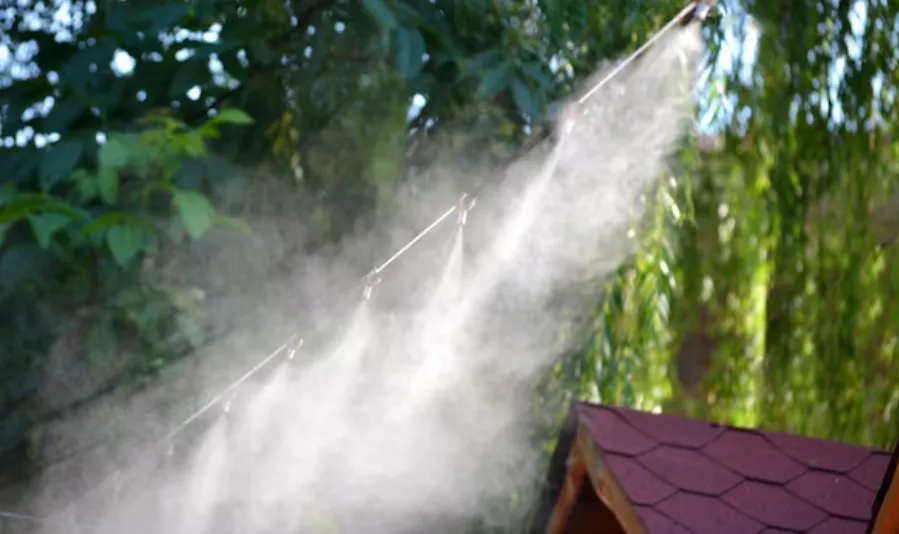
Cooling technology based on micro-droplets has gained popularity in both commercial and industrial environments. A water misting system works by forcing water through specialised nozzles that break it into extremely fine particles.
These droplets evaporate quickly when released into the air, absorbing heat from the surrounding environment. This natural evaporation process reduces temperature without creating excessive moisture. Because the droplets are so small, they remain suspended in the air long enough to provide effective cooling while using minimal water.
Advantages of Modern Misting Solutions
Misting technology offers several practical benefits for businesses and public spaces seeking efficient cooling solutions.
Key advantages include:
- Rapid temperature reduction in outdoor or semi-open environments
- Lower water consumption compared with traditional cooling methods
- Minimal surface wetness due to quick evaporation
- Improved comfort for customers and staff in warm climates
- Flexible installation in restaurants, warehouses, and event spaces
These benefits make misting technology a practical option for businesses aiming to maintain comfortable environments during hot weather conditions.
Where Misting Systems Are Commonly Used
Fine spray cooling systems are widely used in locations where heat management is essential. Outdoor dining areas, theme parks, sports venues, and agricultural facilities often rely on these systems to maintain comfortable conditions.
Industrial operations may also install misting systems to reduce heat in manufacturing areas. In livestock and greenhouse environments, controlled cooling helps maintain healthy conditions for animals and plants. The versatility of mist technology allows it to be adapted to many different operational requirements.
Why mist sprinkler systems Support Fire Protection
Beyond cooling applications, mist sprinkler systems are also recognised as effective fire protection solutions. Instead of releasing large volumes of water, these systems produce extremely fine droplets that absorb heat and suppress flames.
The mist quickly reduces the temperature in a fire zone while displacing oxygen near the flames. This dual action helps slow or extinguish fires efficiently. Because less water is required compared with traditional sprinklers, these systems can reduce water damage while still providing reliable fire suppression.
Types of Mist Sprinkler Installations
Different environments require specific system designs to ensure effective performance.
Common types include:
- High-pressure systems designed for industrial fire protection
- Low-pressure mist systems used in smaller facilities
- Hybrid systems combining mist technology with traditional sprinklers
- Localised systems protecting specific machinery or equipment
- Total flooding systems designed for enclosed spaces
Selecting the appropriate configuration depends on the fire risks, building design, and operational requirements of the facility.
Maintenance and Performance Considerations
Like any safety system, mist-based installations require routine inspection and maintenance. Regular checks ensure that nozzles remain unobstructed and that pumps maintain the correct pressure levels.
Technicians typically test system activation mechanisms and inspect piping networks for leaks or blockages. Maintaining water quality is also important because mineral deposits can affect nozzle performance. Consistent servicing ensures the system remains reliable and capable of responding effectively when cooling or fire suppression is required.
Integrating Misting Technology Into Modern Facilities
Modern building design increasingly incorporates advanced environmental control systems. Fine water spray solutions can be integrated with ventilation systems, temperature monitoring devices, and automated controls.
These integrated systems allow facility managers to regulate cooling levels based on environmental conditions. In fire protection applications, automated detection systems trigger mist discharge immediately when heat or smoke is detected. Such smart integration enhances efficiency while ensuring reliable protection and comfort across various operational environments.
Conclusion: Improving Environmental Control With Advanced Mist Technology
Fine spray technology provides practical solutions for both cooling and fire protection. Systems designed for temperature reduction help businesses maintain comfortable outdoor and industrial environments while using water efficiently.
At the same time, mist-based sprinkler protection offers effective fire suppression with reduced water usage. When organisations combine advanced cooling mist systems with specialised sprinkler applications, they create safer and more controlled environments. Regular maintenance and proper system planning ensure these technologies continue to deliver reliable performance over the long term.

