
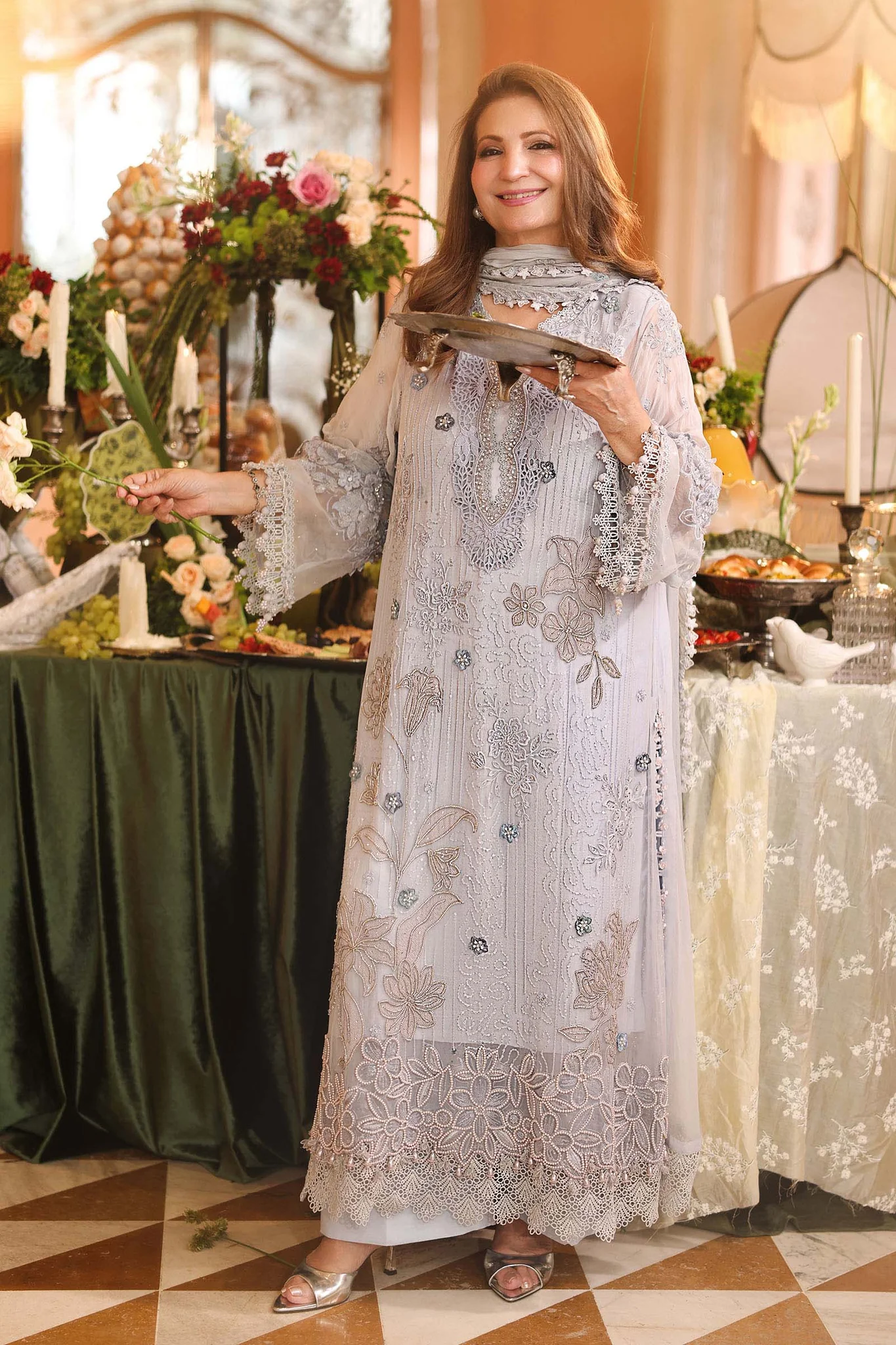
Buying Pakistani suits online UK can make traditional and contemporary fashion easier to access, but accurate sizing remains an important part of the process. Ready-made Pakistani suits often follow measurement charts that differ from standard UK clothing sizes, making a tape measure more useful than relying only on a familiar dress size. A few careful measurements taken at home can help identify a suitable size and reduce the chances of an uncomfortable fit. Bust, waist, hips, shoulder width, sleeve length, trouser length, and overall shirt length are among the key measurements worth recording before placing an order.
Why Accurate Measurements Matter
Pakistani suits can have different cuts, fabrics, and silhouettes, so the same labelled size may not fit every design in exactly the same way. A straight-cut kameez, loose lawn shirt, embroidered festive suit, and fitted formal design can all have different measurements. Accurate body measurements provide a more reliable reference than a size label alone. Measurements are also particularly useful when shopping for ready-made suits, as alterations may be limited after an order has been received. Checking the size chart of the selected product alongside personal measurements creates a clearer basis for selecting the appropriate size.
What to Prepare Before Measuring
A soft measuring tape is the most useful tool for taking clothing measurements at home. A full-length mirror can help keep the measuring tape level, while a notebook or phone can be used to record each measurement. Measurements should ideally be taken while standing naturally and wearing lightweight clothing rather than thick jumpers or coats. The tape should remain close to the body without pressing tightly into the skin. Consistency is important, so each measurement should be taken in the same unit used by the retailer, usually inches or centimetres.
1. Measure the Bust
The bust measurement is one of the most important measurements for a Pakistani suit. The tape should pass around the fullest part of the bust while remaining horizontal across the back. The tape should not be pulled tightly, as excessive tension can produce a smaller measurement and result in a restrictive fit. Standing naturally with the arms relaxed helps maintain a consistent result. The final number should be recorded clearly, preferably to the nearest half inch when using an inch-based tape.
2. Measure the Waist
For the waist measurement, place the tape around the natural waistline, usually the narrowest area of the torso. The stomach should remain relaxed during the measurement rather than being pulled in. A relaxed measurement gives a more realistic indication of comfort, especially for suits designed with a straight or lightly fitted silhouette. The tape should sit evenly around the body without tilting upward or downward.
3. Measure the Hips
The hip measurement should be taken around the fullest part of the hips and seat. Keeping the tape level is especially important because a slanted tape can create an inaccurate result. This measurement can be particularly useful for straight trousers, shalwars, and suits with narrower cuts. For loose silhouettes, the finished garment measurements may provide additional information about the amount of ease included in the design.
4. Measure the Shoulders
Shoulder width is useful when assessing how a kameez or shirt will sit across the upper body. Measure from one shoulder point to the other across the upper back, following the natural line of the shoulders. A second person can make this measurement easier, but a mirror and careful positioning can also help when measuring alone. Shoulder measurements become especially relevant for structured or tailored Pakistani suits where an accurate shoulder line affects the overall appearance.
5. Measure Sleeve Length
Sleeve length can vary considerably between Pakistani suit designs. Start from the shoulder point and measure down the arm to the preferred sleeve ending. The arm should remain slightly relaxed instead of being stretched straight and stiff. Full-length sleeves, three-quarter sleeves, and shorter sleeves require different measurements, so the product description should be checked before comparing the result with the sizing information.
6. Measure the Shirt or Kameez Length
Kameez length has a major effect on the overall look of a Pakistani suit. Begin at the highest point of the shoulder and measure downward to the desired hem position. The measurement should reflect the preferred finished length rather than simply matching an existing outfit. Long kameez designs may fall below the knee, while contemporary styles can have a shorter silhouette. Comparing the measurement with a well-fitting existing kameez can provide a useful reference.
7. Measure Trouser Length
For trousers, measure from the natural waist area down to the desired ankle or hem position. The preferred trouser length can vary depending on whether the suit includes straight trousers, cigarette trousers, wide-leg trousers, or a traditional shalwar. Footwear can also affect the preferred finished length, particularly for formal outfits. Recording both body measurements and the length of a well-fitting existing pair of trousers can make online size comparison easier.
Use a Size Chart Instead of Guessing
After recording the measurements, the next step is comparing each figure with the size chart supplied for the particular Pakistani suit. A standard UK size such as 8, 10, 12, or 14 should not automatically be treated as equivalent to every Pakistani designer size. Different brands can use different measurement standards, and individual collections can also vary. Product-specific measurements should therefore take priority over assumptions based on previous purchases. When a measurement falls between two listed sizes, the garment cut and fabric should also be considered.
Body Measurements vs Garment Measurements
A common source of confusion comes from comparing body measurements with finished garment measurements. A garment measurement includes the actual dimensions of the clothing and may therefore be larger than the corresponding body measurement because of ease. For example, a loose-fit kameez may have several inches of additional room around the bust. A fitted design may contain much less extra space. Checking whether a website provides body measurements or garment measurements can prevent an unsuitable comparison and make the sizing process more accurate.
Allow for Fabric and Style
Fabric type and garment construction can influence the final fit. Lawn, cotton, silk, velvet, chiffon, and other materials behave differently when worn. Structured embroidered suits may require more attention to shoulder and bust measurements, while relaxed lawn suits can offer more room through the body. Stretch-free fabrics generally require a more careful fit than flexible materials. Design details such as side slits, lining, embroidery, pleats, and fitted sleeves can also affect comfort.
Take Measurements More Than Once
Small measuring errors can change the selected size, particularly when a measurement sits close to a size boundary. Taking each measurement twice provides a simple way to check accuracy. A noticeable difference between the first and second result suggests that the tape position should be checked again. Recording the final confirmed measurements in one place also makes future online shopping easier, especially when comparing several Pakistani clothing brands.
Keep a Personal Measurement Record
A personal measurement record can save time during future purchases. Useful details include bust, waist, hips, shoulder width, sleeve length, kameez length, and trouser length. The date of measurement can also be recorded because body measurements may change over time. Keeping both inches and centimetres can be helpful when different websites use different units. A record can also include the measurements of a favourite ready-made suit, providing an additional reference when assessing similar designs.
Check the Return and Exchange Information
Even careful measurements cannot guarantee an identical fit across every designer or silhouette. Before purchasing Pakistani suits online UK, the return, exchange, and sizing policies should be reviewed. Important details include the allowed return period, conditions for unworn garments, sale-item restrictions, and whether return postage applies. Clear policies provide useful protection when a selected size does not provide the expected fit.
Filhaal UK and the Value of Easier Pakistani Suit Shopping
Filhaal UK provides access to Pakistani clothing for UK shoppers through categories including ready-to-wear suits, kurtas, unstitched clothing, kidswear, accessories, and footwear. The official website states that clothing is presented as original stock and highlights UK delivery, returns, and customer support. Filhaal UK also states that stock is held within a UK warehouse and quality-checked before dispatch, which can make the buying process more straightforward for shoppers seeking Pakistani fashion without relying solely on overseas ordering. Accurate measurements combined with product-specific sizing information can further improve the online shopping experience.