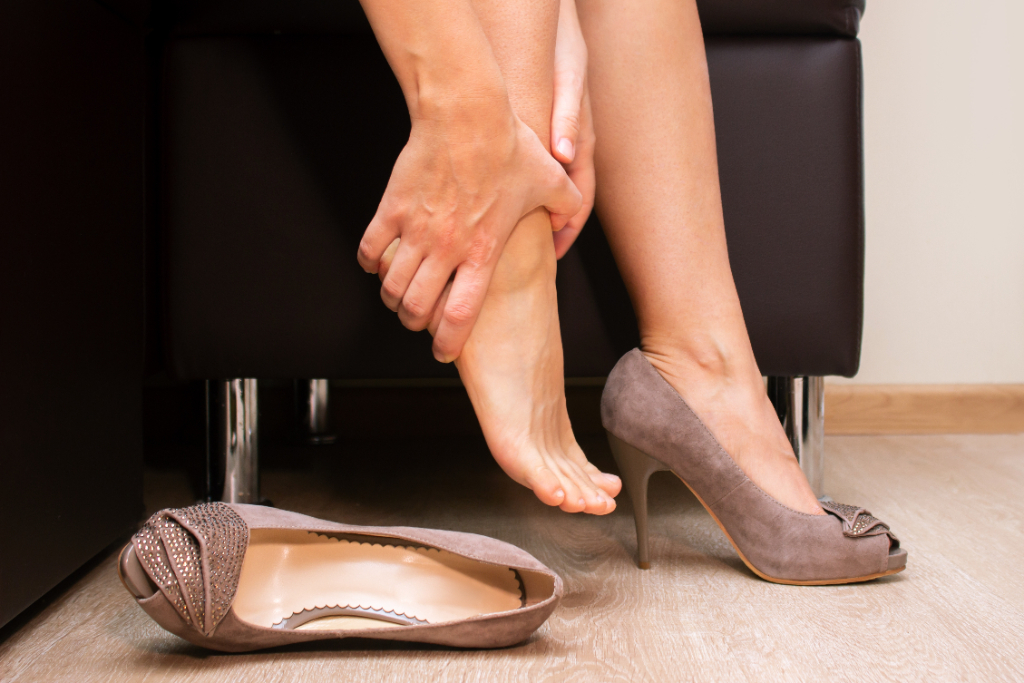
Uncomfortable high heels often place extra pressure toward the front of the foot while demanding more stability from the heel and ankle. Better cushioning, a secure fit, and a more manageable heel design can make a noticeable difference.
Support can improve comfort, but inserts can’t fully compensate for heels that are too high, too narrow, or poorly shaped for your feet.
Understand Where the Pressure Comes From
As heel height increases, body weight tends to shift toward the forefoot. A narrow toe box can add more compression, while a loose upper may allow the foot to slide forward.
That combination explains why simply adding a soft cushion doesn’t always solve the problem. The shoe still needs to fit securely.
| Comfort Problem | Possible Adjustment | Tradeoff |
|---|---|---|
| Forefoot pressure | Ball-of-foot pad | Takes up toe-box space |
| Heel rubbing | Heel cushion | May tighten rear fit |
| Foot sliding | Grippy insert | Can alter shoe volume |
| Poor stability | Lower/wider heel | Changes silhouette |
Support the Forefoot Without Crowding It
A thin ball-of-foot cushion can add padding beneath the area that receives increased pressure. Choose a low-profile option if the front of the shoe already fits closely.
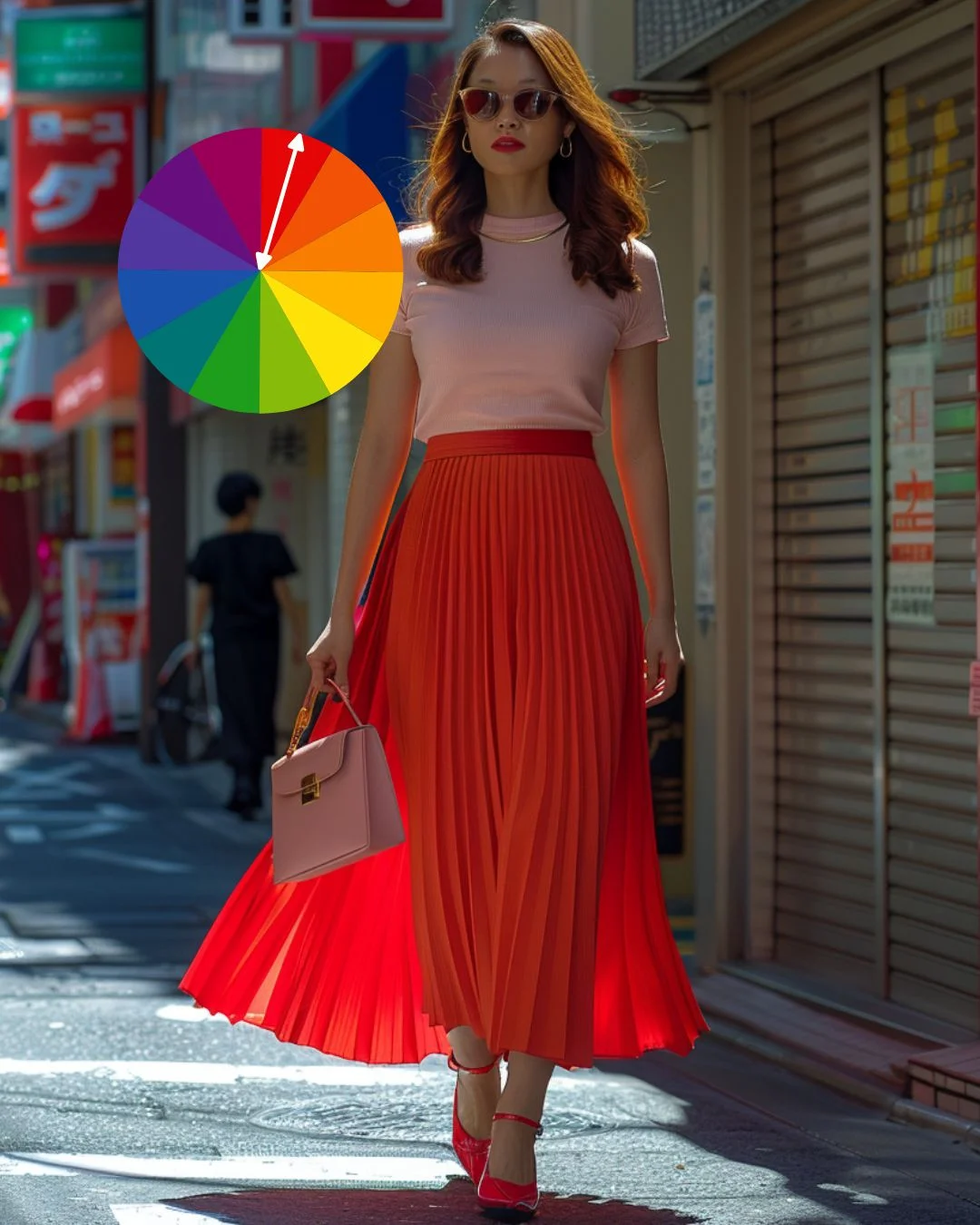
Broader style and culture reading may influence which heels appeal to you, but comfort deserves its own test. Stand, walk, and turn in the shoes rather than judging them while seated.
If your toes become more compressed after adding a pad, the insert is too thick or the shoe already lacks enough room.
Prevent Your Foot From Sliding Forward
Forward sliding makes heels harder to control and can increase toe pressure. A textured or slightly cushioned insert may help keep the foot positioned farther back.
Ideas from modern layered styling can also remind you that high heels aren’t the only way to finish a polished outfit. Flats, low heels, boots, and structured shoes can produce equally intentional proportions depending on the clothing.
Sometimes the best comfort adjustment is choosing a different shoe rather than adding more material.
Heel Shape Makes a Difference
A wider block heel generally offers a larger base than a very narrow heel. That doesn’t guarantee comfort, but many wearers find a stable base easier to walk in for longer periods.
Choose Height for the Occasion
Consider how much standing and walking the event actually involves. A dramatic heel may be manageable for a short seated dinner but frustrating during an event that includes long walks or hours on your feet.
Those who enjoy traditional wardrobe aesthetics can still choose lower pumps, kitten heels, or wider heels that maintain a refined appearance. The practical goal is matching the shoe to both the outfit and the amount of movement expected.
Bringing a comfortable backup pair can also be sensible for long events.
What People Often Misjudge About Heels
Soft padding doesn’t automatically turn an unsuitable heel into a comfortable one. If the shoe forces the toes together, slips badly, or feels unstable, adding several inserts may reduce usable space without fixing the basic structure.
Another mistake is buying heels while sitting and barely walking in them. Test several minutes of normal movement indoors. Pay attention to forefoot pressure, heel security, toe position, and balance before deciding the fit works.
Frequently Asked Questions
Do gel pads make high heels more comfortable?
They can reduce some forefoot pressure and friction, especially when the shoe has enough interior space. A thick gel pad may make a snug toe box tighter, so thinner isn’t always worse.
Are block heels more comfortable than stilettos?
A wider heel can provide a broader base and may feel more stable, but comfort also depends on heel height, toe shape, cushioning, and overall fit. Try the complete shoe rather than judging heel style alone.
How can I stop my feet sliding forward in heels?
Make sure the shoe isn’t oversized, then consider a thin non-slip forefoot insert. The upper should hold your foot securely without squeezing, and the toe box should still leave adequate space.
Make Support Work With the Shoe
Use cushioning to fine-tune a heel that already fits reasonably well, not to rescue one that’s fundamentally uncomfortable. Choose enough toe room, stable heel construction, and a height suited to the occasion. If pressure returns quickly despite sensible adjustments, switch to a better-fitting pair rather than forcing longer wear.