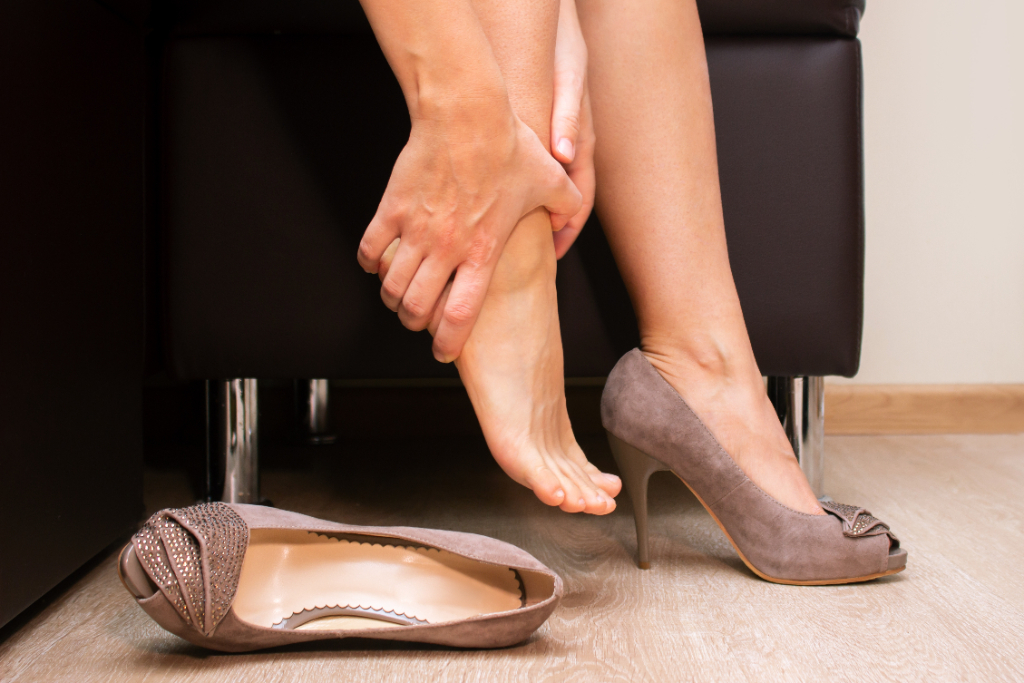
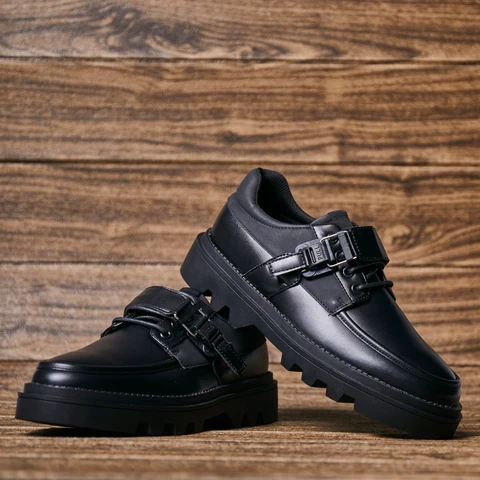
Uncomfortable office shoes can turn an ordinary workday into hours of distraction. Professional footwear doesn’t need to be painfully rigid, excessively narrow, or difficult to walk in. The best options combine an office-appropriate appearance with enough room, cushioning, stability, and flexibility for the amount of standing and walking your job requires.
Start With Shape Rather Than Appearance
A stylish shoe won’t remain useful if its basic shape conflicts with your foot. Pay particular attention to toe-box width, heel security, arch feel, and where the shoe bends while walking.
Your toes should not feel tightly compressed together. Meanwhile, excessive movement at the heel can create rubbing even when the front of the shoe feels comfortable.
Broader beauty and fashion guidance can inspire professional looks, but footwear should first pass a practical test: you should be able to stand and walk naturally without constantly adjusting your stride.
Match the Shoe to Your Workday
Someone who sits for most of the day has different footwear demands from someone who walks between buildings, stands at a reception desk, or regularly uses public transportation.
Consider the longest portion of your day rather than the few minutes spent looking at the shoes in a mirror. Shoes should support the activity you actually perform.
| Work Pattern | Useful Feature | Reason |
|---|---|---|
| Mostly sitting | Flexible upper | Less pressure |
| Frequent walking | Stable sole | Better walking comfort |
| Long standing | Cushioning | Reduces harsh impact |
| Mixed duties | Secure fit | Handles varied movement |
Look for Professional Styles With Practical Features
Loafers, low block heels, supportive flats, ankle boots, and some clean minimal sneakers can provide alternatives to rigid traditional office shoes, depending on the dress code.
Look beyond the style name. Two loafers can feel completely different because of their sole construction, width, lining, and heel design.
Examples across office outfit collections can help with visual coordination, but comfort features deserve equal attention. A shoe isn’t a good work option merely because it matches tailored trousers.
Test Shoes Later in the Day
Feet can feel different after several hours of standing and walking, so a shoe that feels spacious first thing in the morning may become less comfortable later.
Try both shoes and walk for more than a few steps when possible. Check for immediate rubbing, toe pressure, heel slipping, or a sensation that your foot is fighting the shoe’s shape.
People comparing footwear style references may focus mainly on appearance, yet an attractive shoe that stays in the closet because it hurts provides little practical value.
Don’t Assume Shoes Must Hurt Before They Improve
The belief that painful shoes always need to be “broken in” can lead people to tolerate poor fit for too long. Some materials soften slightly with wear, but significant pressure, severe rubbing, or cramped toes may indicate a sizing or shape problem rather than a temporary adjustment period.
Another mistake is adding thick insoles to shoes that are already tight. Extra padding takes up internal space and can sometimes increase pressure instead of solving it.
Frequently Asked Questions
Are flats always more comfortable than heels?
No. A flat shoe can still be narrow, poorly cushioned, unstable, or badly shaped for your foot. Heel height is only one factor affecting comfort.
Can supportive shoes still look professional?
Yes. Many professional-looking shoes now include cushioned footbeds, flexible materials, wider shapes, and stable low heels. The best choice depends on your workplace dress code and daily activity.
Should office shoes feel tight when new?
They should feel secure, not painfully tight. Minor material changes may occur with wear, but strong pinching, rubbing, numbness, or obvious toe compression shouldn’t be treated as a normal requirement.
Choose Shoes for the Entire Workday
Office footwear should support both your appearance and your ability to move comfortably. Focus on fit, shape, stability, and the demands of your routine before considering decorative details. A polished shoe that you can wear through a full day is far more useful than a striking pair you want to remove after an hour.