
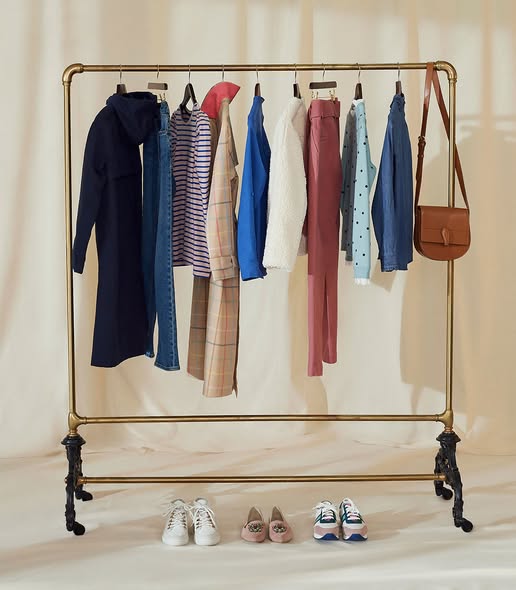
A wardrobe can contain plenty of clothes and still feel difficult to use. The problem may be missing wardrobe essentials that connect outfits together: reliable tops, practical bottoms, versatile layers, comfortable shoes, or clothing suitable for your most common activities.
The right essentials aren’t identical for everyone. They should reflect your routine rather than somebody else’s checklist.
Start With Your Most Common Weekly Activities
Before deciding what you’re missing, think about where you actually go. Work, school, errands, social plans, exercise, religious gatherings, travel, and time at home can all create different clothing needs.
Your essential pieces should support those situations first. Looking at wearable fashion ideas can help you identify practical categories while still adapting them to your own preferred colors, fits, and level of formality.
A remote worker and an office professional may need completely different foundations.
Identify the Pieces That Connect Multiple Outfits
The strongest essentials usually work with several garments already in your closet. A useful jacket might coordinate with jeans, trousers, dresses, and skirts instead of serving only one outfit.
The same principle applies to tops, shoes, and outerwear. Exploring versatile styling inspiration can help reveal which simple pieces repeatedly connect more distinctive garments.
Pay attention to moments when getting dressed stalls. The missing item is often a connector rather than another statement piece.
Build Essentials Around Fit and Function
A classic garment isn’t essential if you dislike wearing it. White button-down shirts, blazers, black trousers, denim jackets, or specific shoe styles may appear on countless wardrobe lists, but none is universally necessary.
Choose pieces that match your comfort needs and routine.
| Wardrobe Need | Possible Essential | Main Purpose |
|---|---|---|
| Everyday layering | Cardigan or jacket | Adds warmth and structure |
| Flexible bottom | Jeans or trousers | Works with several tops |
| Simple base | Neutral or colored top | Supports layering |
| Regular footwear | Comfortable everyday shoes | Handles common activities |
Fill Gaps Slowly Instead of Shopping All at Once
Once you identify missing categories, resist replacing the entire wardrobe in one weekend. Buying quickly makes it easier to choose pieces that look useful in theory but don’t fit your real habits.
Start with the gap that causes the most frustration. A missing everyday shoe may affect more outfits than another blouse. Looking at practical wardrobe inspiration can help you compare outfit combinations before deciding which addition would actually increase the usefulness of clothes you already own.
One good connector can solve several outfit problems.
Why Generic Essential Lists Can Be Misleading
Universal wardrobe checklists often assume everyone has similar jobs, climates, social lives, and style preferences. That isn’t realistic.
A trench coat may be useful in one climate and unnecessary in another. High heels may suit one person’s lifestyle while becoming permanent shelf decoration for someone else. Even neutral colors aren’t mandatory if you prefer coordinated color.
The best essentials are defined by frequency of use, comfort, compatibility, and function—not by how often they appear on fashion lists.
Frequently Asked Questions
What are the most important wardrobe essentials?
The most useful essentials are clothes that support your common activities and combine easily with other pieces. Typical categories include dependable tops, comfortable bottoms, layering pieces, appropriate outerwear, and regularly worn shoes.
Should wardrobe essentials always be neutral colors?
No. Neutrals can make coordination easier, but colors can work equally well when they fit your personal palette. Consistency matters more than following a specific beige, black, navy, or white formula.
How do I know what my wardrobe is missing?
Notice repeated dressing problems. If several outfits need the same type of shoe, layer, top, or bottom to feel complete, you’ve probably identified a practical wardrobe gap.
Strengthen the Clothes You Already Own
Wardrobe essentials should make existing clothes easier to wear rather than giving you another reason to accumulate more. Identify the situations you dress for most, locate the gaps that repeatedly cause frustration, and fill them one at a time.
A strong wardrobe foundation isn’t built from a universal checklist. It’s built from dependable pieces that consistently make your own clothes work better.

