
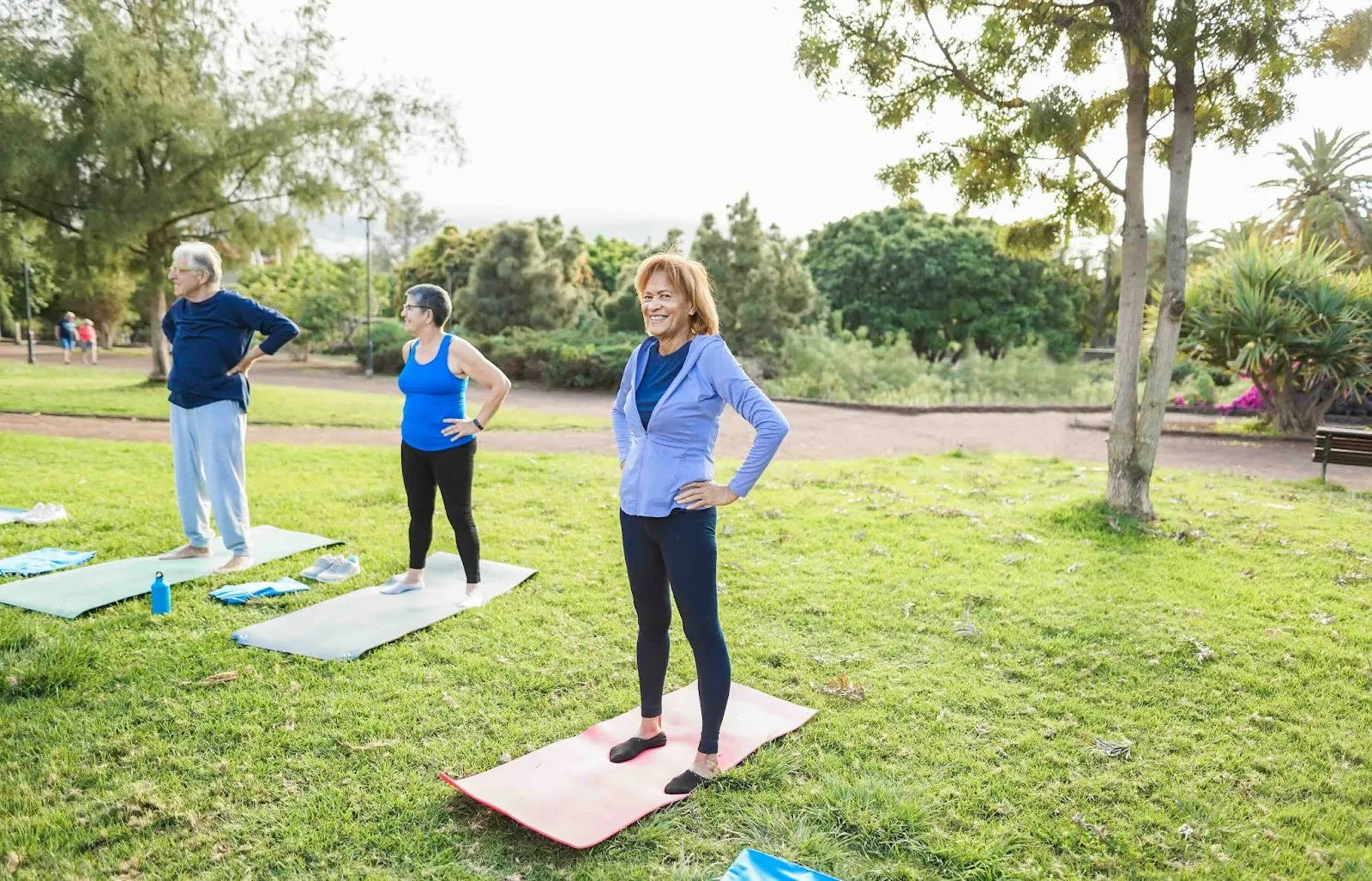
Daily mobility can shrink quietly. A shorter walk becomes the normal walk, stairs get avoided, and more tasks are done from a chair. Gentle activity can help preserve movement and confidence when it is matched to current ability. The aim is not intense exercise. It is to keep the body participating in ordinary life without ignoring pain, instability, or unexplained physical decline.
Notice Where Movement Has Decreased
Reduced mobility is easier to address when the specific change is identified. Perhaps walking to the mailbox has become difficult, standing while preparing food feels tiring, or getting in and out of a car now requires extra effort.
Look at what has changed over weeks or months rather than judging ability from one unusually good or bad day.
Think in Terms of Daily Function
Mobility is not measured only by workout performance. Standing from a chair, reaching a bathroom safely, shopping, dressing, and walking through the home are meaningful physical tasks.
Improving those activities can be a practical goal in itself.
Use Small Amounts of Movement
Long exercise sessions are not the only way to stay active. Short walks, repeated sit-to-stand movements when appropriate, gentle range-of-motion activity, or light household tasks can add movement to the day.
People browsing wellness information pages may encounter ambitious routines, but someone with reduced mobility often benefits from starting with an amount that feels controlled and repeatable.
Gradual consistency can be more practical than trying to compensate for inactivity with one demanding session.
Combine Different Types of Activity
Walking supports endurance, while strengthening movements challenge muscles and balance activities address another part of physical function. The National Institute on Aging describes aerobic, muscle-strengthening, and balance exercise as useful components of physical activity for older adults.
General active-living resources can provide additional ideas, but movements should be modified when joint problems, chronic illness, poor balance, or other limitations affect safety.
| Activity Type | Everyday Example | Possible Goal |
|---|---|---|
| Gentle walking | Hallway or outdoor walk | Maintain endurance |
| Strength activity | Controlled chair rise | Support transfers |
| Balance practice | Supported weight shift | Improve stability |
| Mobility movement | Comfortable joint motion | Maintain usable range |
The best combination is one a person can perform safely and return to consistently.
Reduce Barriers That Encourage Inactivity
Sometimes movement decreases because the environment makes activity inconvenient or intimidating. Poor lighting, clutter, unsuitable footwear, a lack of stable seating, or fear after a previous fall can all change behavior.
Readers may also encounter everyday health material while searching for ideas. Online suggestions should be adapted to the real reason activity has declined rather than treated as a universal solution.
Making a walking route safer can sometimes be as important as choosing another exercise.
Why Complete Rest Can Backfire
Avoiding movement may feel protective when mobility is already limited, but unnecessary inactivity can make ordinary physical tasks feel increasingly difficult. That does not mean pain or serious symptoms should be pushed through.
The better distinction is between safe, tolerable activity and movements that create instability or significant symptoms. Gentle activity should maintain function, not become a test of endurance or a reason to ignore the body’s warning signs.
When Reduced Mobility Needs Evaluation
Seek medical advice when mobility declines suddenly, continues worsening, follows repeated falls, or is associated with persistent pain, weakness, dizziness, breathlessness, or another unexplained change. The NIA notes that people with chronic conditions can often remain physically active, although activity may need to be adapted with medical guidance.
Urgent evaluation may be needed for sudden one-sided weakness, inability to stand or walk, severe chest symptoms, fainting, or a significant injury.
Frequently Asked Questions
Does gentle activity count as exercise?
Yes. Light movement can still contribute to daily physical activity, especially for someone beginning from a low activity level. The appropriate amount depends on current health, mobility, and exercise tolerance.
How can someone move more without taking long walks?
Movement can be divided throughout the day. Suitable chair exercises, short indoor walks, household tasks, standing activities, and gentle mobility exercises may provide alternatives when long-distance walking is difficult.
Should pain be ignored to maintain mobility?
No. Mild exertion and pain are not the same thing. New, severe, or worsening pain should not be pushed through simply to complete an exercise goal, particularly when it changes walking or balance.
Keep Movement Connected to Everyday Life
Maintaining mobility starts with using the abilities that remain while working safely on those that are becoming harder. Choose manageable activity, make the environment easier to move through, and increase demands gradually. If everyday function keeps declining or new symptoms appear, seek evaluation so activity can be matched to the underlying situation.
This article is for general informational purposes and is not a substitute for professional medical advice, diagnosis, or treatment.