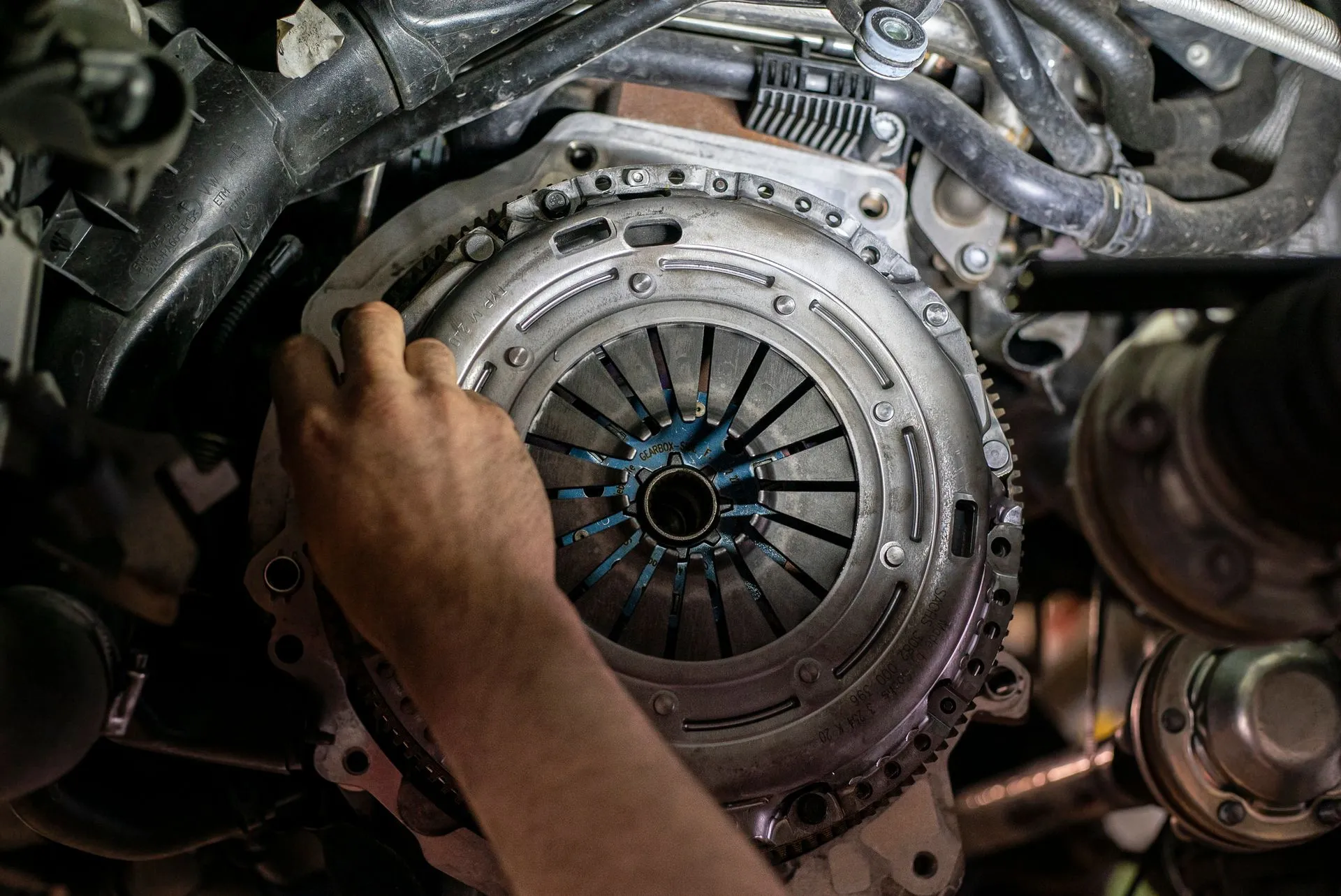
Changes in transmission shifting deserve attention because the cause can range from a relatively simple maintenance or control issue to internal wear requiring professional diagnosis. Hesitation, harsh engagement, slipping sensations, delayed shifts, unusual noises, or new warning lights shouldn’t be dismissed simply because the vehicle still moves.
Start by documenting exactly when the behavior happens.
Describe the Shift Problem Precisely
“Shifts badly” isn’t enough information for useful troubleshooting. Note whether the problem occurs while cold, after warming up, during acceleration, at one particular speed, when selecting Drive or Reverse, or only under heavier load.
General automotive reading resources can help you learn terminology, but observations from your own vehicle are more useful when explaining the problem to a technician.
Write down warning messages and whether the engine speed rises unexpectedly during the symptom.
Check Simple Information Before Replacing Parts
Review the owner’s manual for the manufacturer’s transmission maintenance requirements and any applicable fluid-checking procedure. Modern transmissions differ widely, and some don’t use a simple owner-accessible dipstick.
Hands-on vehicle content may show general maintenance concepts, but don’t copy a fluid type or service procedure from another vehicle. Using an incorrect fluid or servicing a transmission improperly can create additional problems.
Look underneath the parked vehicle for new leakage, but remember that identifying a fluid by appearance alone isn’t always reliable.
| Shift Change | Useful Observation | Next Move |
|---|---|---|
| Delayed engagement | Note cold vs. warm | Arrange diagnosis if persistent |
| Harsh shift | Record speed/load | Check for warning codes |
| Engine revs increase | Note when it occurs | Limit continued driving |
| New leak | Check parking area | Inspect fluid source |
Pay Attention to Electronic Clues
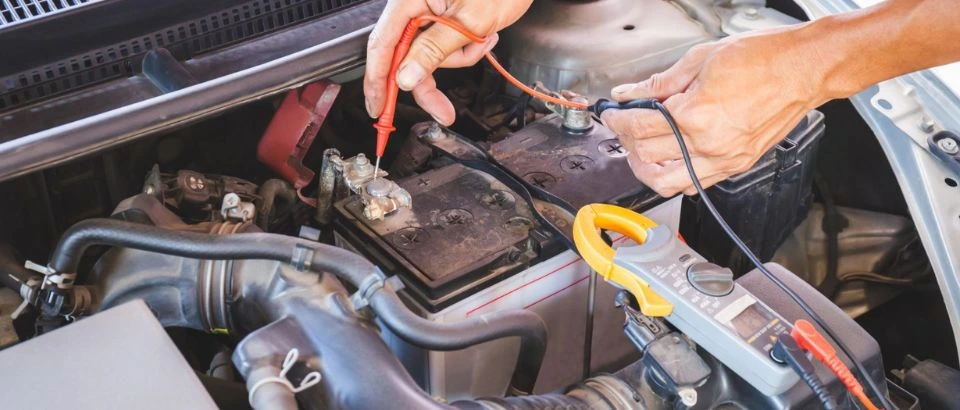
Transmission behavior can be influenced by sensors, control systems, electrical faults, and engine-related information as well as mechanical components. That means replacing parts based purely on a symptom can become expensive quickly.
Broader general car-care reading may help explain common terminology, but diagnostic trouble codes need proper interpretation. A code can identify a circuit or detected condition without proving that the named component itself has failed.
Record codes before clearing them. Erasing information too early can make later diagnosis harder.
Know When Driving Becomes a Bad Test
Don’t keep performing hard acceleration tests to “see if it gets worse.” Repeatedly stressing a transmission that is slipping, overheating, losing drive, or shifting violently may increase damage and create a road-safety problem.
If the vehicle suddenly loses propulsion, won’t engage a gear normally, develops significant leaking, produces a strong burning odor, displays a serious transmission warning, or becomes unpredictable in traffic, avoid unnecessary driving and arrange qualified inspection or towing when appropriate.
Safety comes before confirming the symptom one more time.
Where DIY Transmission Diagnosis Goes Wrong
One common mistake is assuming every shift complaint means the entire transmission has failed. Fluid condition, electrical faults, sensors, control issues, engine performance problems, software-related behavior, mounts, and internal transmission faults can sometimes produce overlapping symptoms.
The opposite mistake is assuming a fluid change automatically fixes every problem. Maintenance can’t reverse every form of wear or mechanical damage.
Accurate diagnosis should come before expensive parts replacement.
Frequently Asked Questions
Can low transmission fluid cause poor shifting?
On vehicles where fluid level is relevant and serviceable, an incorrect level may contribute to transmission problems. The correct checking method and fluid specification depend on the particular vehicle.
Why does my transmission shift differently when cold?
Temperature can affect fluid characteristics and system operation, but persistent or severe cold-shift problems may still need diagnosis rather than being assumed normal.
Should I keep driving if the transmission is slipping?
Continued driving may worsen some problems and can become unsafe if the vehicle loses reliable power delivery. Significant or persistent slipping deserves prompt professional evaluation.
Diagnose the Pattern Before the Repair Bill Grows
Record when the poor shifting occurs, review the correct maintenance information for your vehicle, note leaks or warning codes, and avoid guessing at expensive components.
When shifting becomes severe, unpredictable, or accompanied by slipping, loss of drive, major leakage, overheating, or other concerning changes, have the vehicle professionally inspected before continued driving turns a manageable problem into a larger repair.