Poor fuel mileage can come from aggressive acceleration, high speeds, unnecessary idling, low tire pressure, heavy loads, short trips, or a vehicle problem that needs attention. Driving habits will not fix a mechanical fault, but smoother acceleration, steady speeds, proper tire care, and less wasted idling can reduce unnecessary fuel consumption.
Start With the Habits That Burn Fuel Fastest
Hard acceleration demands more power and usually consumes more fuel than gradually building speed. Repeatedly racing toward a red light and then braking hard also wastes energy that could have been saved by easing off the accelerator earlier.
Drivers comparing driving habit insights should focus on repeatable daily behavior rather than tricks promising dramatic mileage gains. Smoothness matters more than novelty.
Look Farther Down the Road
Anticipating traffic helps reduce unnecessary acceleration and braking. Leave enough space to adjust speed gradually instead of reacting at the last second.
This approach can also make driving calmer and more predictable.
Keep Speed and Engine Load Reasonable
Fuel use generally rises when a vehicle must overcome greater aerodynamic resistance at higher speeds. The exact effect depends on the vehicle, road, wind, gearing, and driving conditions, so there is no universal mileage number that applies to every car.
Carrying unnecessary weight can also increase the energy needed to move the vehicle. Practical auto reading may offer many efficiency suggestions, but removing permanently stored heavy items is more useful than obsessing over tiny accessories.
| Driving Pattern | Fuel Impact | Better Habit |
|---|---|---|
| Hard acceleration | Higher demand | Accelerate smoothly |
| Repeated hard braking | Wasted momentum | Anticipate traffic |
| Excessive idling | Fuel used while stationary | Shut down when appropriate |
| Heavy unnecessary cargo | Added vehicle load | Remove unused weight |
Pay Attention to Tires and Routine Maintenance
Underinflated tires can increase rolling resistance and may also affect handling and tire wear. Check pressures when appropriate using the vehicle manufacturer’s recommended specifications rather than the maximum figure printed on the tire sidewall.
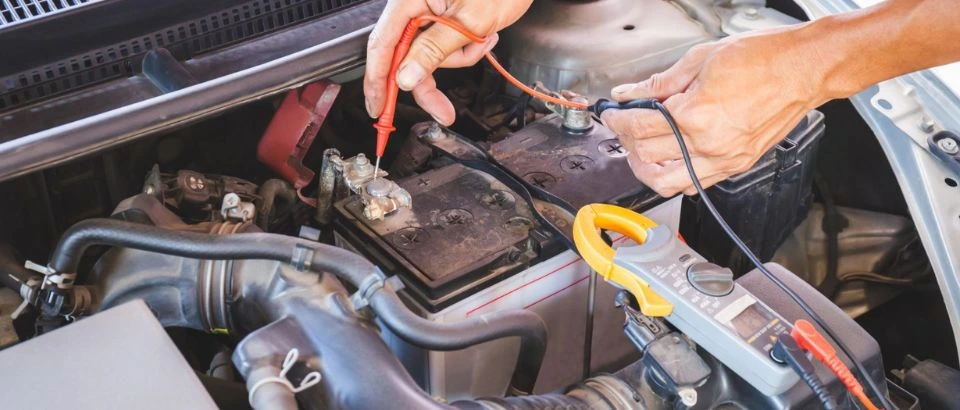
Routine vehicle care matters because some mechanical problems can reduce efficiency. People reviewing everyday vehicle resources may find plenty of maintenance ideas, but unusual mileage loss is more useful when considered alongside warning lights, rough running, unusual smells, tire condition, and recent repair history.
Track Mileage Over Several Fill-Ups
A single tank can be misleading because traffic, weather, towing, fuel-pump shutoff, and trip length vary. Tracking several comparable fill-ups gives you a clearer picture of whether consumption has genuinely changed.
Use the same calculation method each time.
What Fuel-Saving Advice Often Gets Wrong
Drivers sometimes focus on tiny tactics while ignoring larger causes. Saving seconds of engine idle will not compensate for consistently aggressive driving, severely underinflated tires, or a mechanical issue.
Another mistake is assuming lower mileage always means the engine is failing. Winter conditions, frequent short trips, roof cargo, towing, heavy traffic, and air-conditioning demand can all change consumption. The useful question is whether the drop is persistent and unexplained under otherwise similar driving conditions.
Know When Driving Style Isn’t the Main Cause
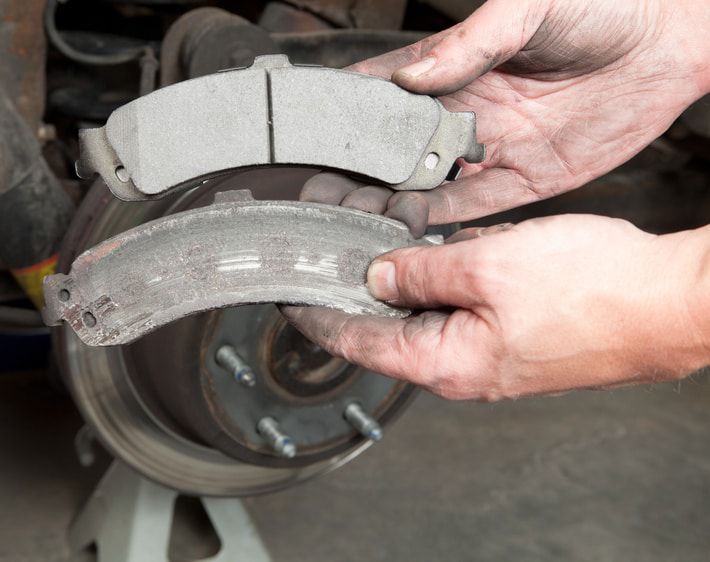
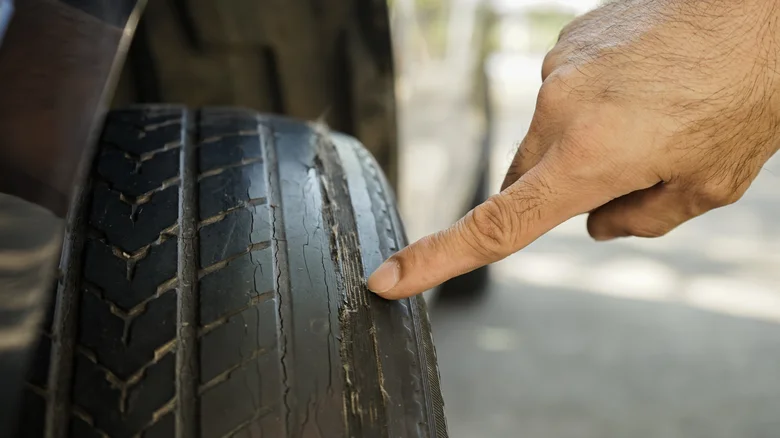
If mileage drops suddenly and your driving pattern has not changed, inspect the vehicle for other clues. A warning light, fuel smell, rough idle, dragging brake, abnormal tire wear, or noticeable loss of power deserves attention.
A qualified technician can inspect systems that are difficult to assess from driving behavior alone. Avoid replacing parts based only on guesses, because multiple faults can produce similar efficiency complaints.
Frequently Asked Questions
Does accelerating slowly always save fuel?
Smooth, moderate acceleration can reduce unnecessary fuel use compared with repeated aggressive acceleration. Extremely slow acceleration is not automatically optimal, however, because road conditions and vehicle efficiency vary.
Can low tire pressure reduce fuel economy?
Underinflation can increase rolling resistance, which may contribute to higher fuel consumption. Use the pressure specifications provided by the vehicle manufacturer and check tires regularly.
Why is my fuel mileage worse on short trips?
Short trips may involve repeated cold starts, stop-and-go driving, and less time operating under stable conditions. Traffic, weather, cabin heating or cooling, and route differences can also affect consumption.
Change the Big Habits Before Chasing Small Gains
Better fuel mileage usually comes from consistency: accelerate smoothly, anticipate stops, avoid unnecessary idling, remove excess cargo, maintain proper tire pressure, and track consumption over time. If mileage remains unusually poor despite stable driving habits, treat that as a reason to inspect the vehicle rather than trying increasingly complicated driving tricks.