Weak battery performance often shows up as slower starting, inconsistent electrical behavior, or a vehicle that struggles after sitting. Extending vehicle battery life is less about a single trick and more about reducing unnecessary discharge, keeping connections in good condition, and investigating charging problems early. A repeatedly weak battery may also indicate another fault rather than an aging battery alone.
Pay Attention to Changes in Starting Behavior
A healthy starting system should operate consistently. If the engine begins cranking more slowly than usual, especially after the vehicle has been parked, don’t automatically assume the battery simply needs more driving.
Temperature, battery condition, electrical connections, the charging system, and parasitic electrical loads can all influence performance. Drivers researching ownership issues may see automotive ownership reading while comparing possibilities, but the vehicle itself still needs proper testing when symptoms persist.
Inspect the Battery Area
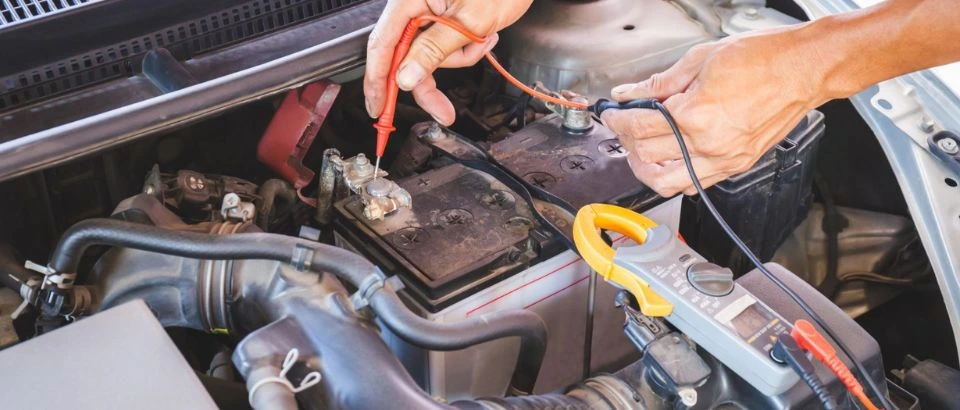
With the vehicle switched off and following the manufacturer’s safety guidance, visually inspect the battery for obvious damage, loose mounting, or heavily corroded connections.
Don’t handle a leaking, cracked, swollen, or visibly damaged battery casually. Batteries contain hazardous materials and can produce explosive gases, so damaged units should be dealt with appropriately rather than cleaned as a routine DIY job.
Avoid Unnecessary Electrical Drain
Leaving lights, accessories, chargers, or other electrical equipment operating while the engine is off can discharge a battery. Modern vehicles may also continue powering electronic systems for a period after shutdown.
Repeatedly draining the battery deeply can be harder on it than normal starting use. People reading vehicle maintenance coverage may encounter many battery-saving tips, but correcting the specific cause of discharge is more useful than repeatedly jump-starting the car.
| Situation | Possible Effect | Practical Response |
|---|---|---|
| Slow engine cranking | Weak starting power | Have system tested |
| Loose connections | Intermittent performance | Inspect and correct safely |
| Long periods parked | Gradual discharge | Consider appropriate maintenance |
| Repeated dead battery | Possible underlying problem | Check charging and electrical system |
Give the Charging System a Chance to Work
Very short journeys may provide limited opportunity for the charging system to replace energy used during starting, especially when many electrical accessories are operating.
That doesn’t mean driving aimlessly is the answer to every battery problem. If the battery repeatedly becomes weak despite normal vehicle use, investigate its condition and charging system. Broader car care articles can provide background reading, but testing helps separate a weak battery from alternator, connection, or electrical-drain problems.
Consider Long-Term Parking
Vehicles left unused for extended periods can gradually lose battery charge. Cars with alarms, computers, keyless-entry systems, and other electronics may still consume a small amount of power while parked.
For vehicles stored for long periods, an appropriate battery-maintenance solution may help, provided it is compatible with the battery and used according to manufacturer instructions.
Keep Connections and Mounting in Good Shape
Corrosion and loose connections can interfere with electrical performance even when the battery itself still has usable capacity. Battery terminals should remain secure and appropriately maintained.
The battery should also be properly held in place. Excessive movement and vibration aren’t desirable, and a loose battery can create additional safety and reliability problems.
What Shortens Battery Life Faster Than Expected
Repeated jump-starts without diagnosing the cause are a common mistake. A battery that keeps going flat may be old, but the vehicle could also have a charging fault, unwanted electrical draw, poor connection, or another issue.
Another mistake is assuming every starting problem is the battery. Starter-motor problems and other electrical or mechanical faults can create similar symptoms. Replacing parts based only on a slow start can become expensive guessing. Testing is usually the cleaner path.
Frequently Asked Questions
Does driving longer help recharge a weak car battery?
Normal driving allows the charging system to replenish energy, but it won’t repair a failing battery or charging-system fault. Repeated weakness should be tested rather than managed indefinitely with longer drives.
Why does my vehicle battery keep dying overnight?
Possible causes include an aging battery, an electrical component remaining active, poor connections, or charging-system problems. A proper battery and electrical-system test can help identify the cause.
Can hot and cold weather affect battery performance?
Temperature extremes can affect battery performance and starting demands. If a battery is already deteriorating, difficult weather can make the weakness more noticeable and may expose a problem that was developing earlier.
Fix the Cause Before the Next No-Start
Battery life depends on more than how old the battery is. Reduce unnecessary electrical drain, watch for changes in starting speed, keep connections and mounting in good condition, and investigate repeated discharge instead of relying on jump-starts. When weakness becomes a pattern, a battery and charging-system test can save you from replacing the wrong component or being stranded later.