Frequent car repairs often point to missed maintenance, aging components, harsh driving conditions, or small problems that were allowed to grow. A better maintenance routine can reduce breakdowns, protect expensive systems, and help your vehicle stay dependable for longer.
The key is catching wear before it turns into failure. Regular inspections, fluid checks, tire care, and attention to warning signs usually cost less than repeated emergency repairs.
Why Do Some Cars Need Repairs So Often?
Cars contain thousands of moving, electrical, and electronic parts. Heat, vibration, moisture, road debris, and normal friction gradually wear those components down. Skipping routine service gives minor deterioration more time to damage surrounding parts.
Driving habits matter too. Hard acceleration, frequent short trips, heavy braking, potholes, towing, and extreme temperatures can shorten component life.
Maintenance information found through automotive reading resources can also help owners become more familiar with common vehicle-care topics, although the manufacturer’s maintenance schedule should remain the main reference for a specific car.
Follow Maintenance Before Something Breaks
Preventive maintenance works best when it follows mileage, time, and actual vehicle condition rather than waiting for a dashboard warning.
Oil and filter changes are among the most familiar examples, but maintenance goes further. Brake fluid, coolant, transmission fluid, belts, hoses, filters, spark plugs, tires, and the battery all deserve attention at appropriate intervals.
Owners researching general maintenance topics may encounter different recommendations because service requirements vary by manufacturer, engine, age, climate, and driving pattern. Your owner’s manual provides the most relevant starting point.
| Maintenance Area | Possible Problem if Neglected | Better Habit |
|---|---|---|
| Engine oil | Increased engine wear | Check level and service on schedule |
| Tires | Uneven wear or poor grip | Check pressure and alignment |
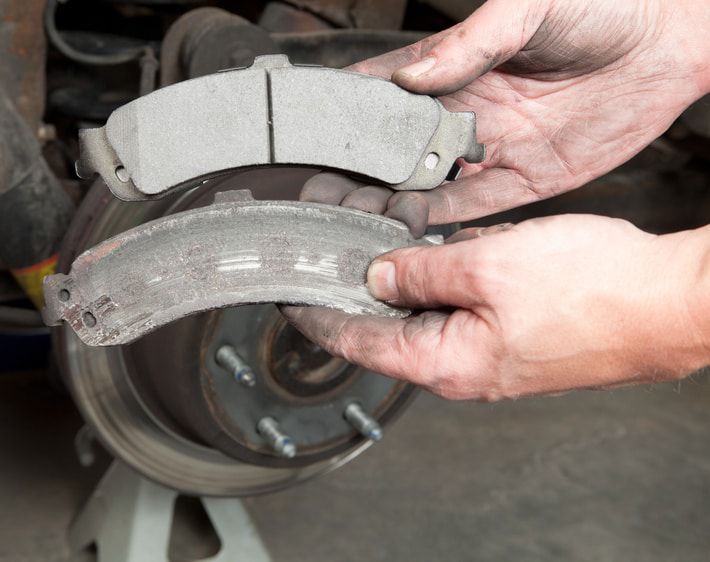
| Brakes | Reduced braking performance | Inspect pads and related components |
| Cooling system | Overheating | Check coolant and inspect for leaks |
Pay Attention to Small Warning Signs
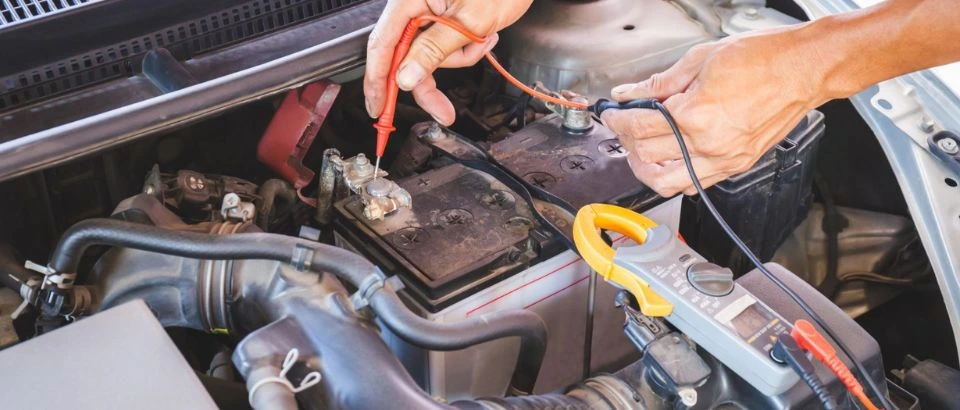
Many costly repairs begin with symptoms that seem minor. A faint vibration, unusual smell, slow engine start, fluid spot, squeaking brake, or new dashboard light may be the first indication that something needs attention.
Keeping a simple record of when symptoms appear can make diagnosis easier. Note whether a noise occurs during braking, acceleration, turning, cold starts, or highway driving.
Broader vehicle information references can be useful for learning common terminology before visiting a repair shop. However, online descriptions cannot confirm what is wrong with an individual vehicle, so physical inspection remains important when symptoms persist.
Build Habits That Reduce Mechanical Stress
Smooth driving can make a noticeable difference to long-term wear. Accelerating progressively, leaving enough distance to brake gently, and slowing for rough pavement reduce stress on tires, brakes, suspension components, and drivetrain parts.
Short trips can also be harder on some vehicles because the engine may not remain at normal operating temperature for long. Combining errands occasionally can reduce repeated cold starts.
Tire pressure deserves special attention. Incorrect pressure may contribute to uneven tread wear, poorer handling, and lower efficiency. Check tires when they are cold and use the vehicle manufacturer’s recommended pressure rather than the maximum pressure printed on the tire sidewall.
Common Maintenance Mistakes That Become Expensive
One mistake is replacing only the failed part without asking why it failed. For example, repeatedly replacing a damaged tire without correcting an alignment problem may allow the same wear pattern to return.
Another mistake is assuming that a car needs no attention because it still drives normally. Fluids can deteriorate, filters can become restricted, and components can wear without creating obvious symptoms immediately.
The cheapest service appointment isn’t always the least expensive choice either. Accurate diagnosis and appropriate parts can prevent repeated labor charges for the same unresolved problem.
Frequently Asked Questions
Can regular maintenance prevent every car repair?
No. Components eventually wear out, and unexpected failures can still occur. Preventive maintenance mainly reduces avoidable damage, detects developing problems earlier, and helps important systems operate under better conditions.
What should I check on my car regularly?
Useful checks include engine oil level, tire pressure, tire condition, exterior lights, visible fluid leaks, windshield washer fluid, and unusual noises. Follow the manufacturer’s schedule for more detailed servicing.
Why does my car keep needing the same repair?
Repeated failure may indicate that the underlying cause hasn’t been corrected. Misalignment, electrical faults, leaks, overheating, damaged mounting points, or related worn components can sometimes cause a replacement part to fail again.
Make Maintenance the Cheaper Habit
Frequent repair bills shouldn’t automatically be treated as an unavoidable part of car ownership. Track service history, follow the manufacturer’s maintenance schedule, respond to new symptoms early, and choose repairs that address causes rather than symptoms.
A few minutes of routine attention can reveal problems while they’re still manageable. Make preventive maintenance part of your normal ownership routine instead of waiting for the next breakdown.