
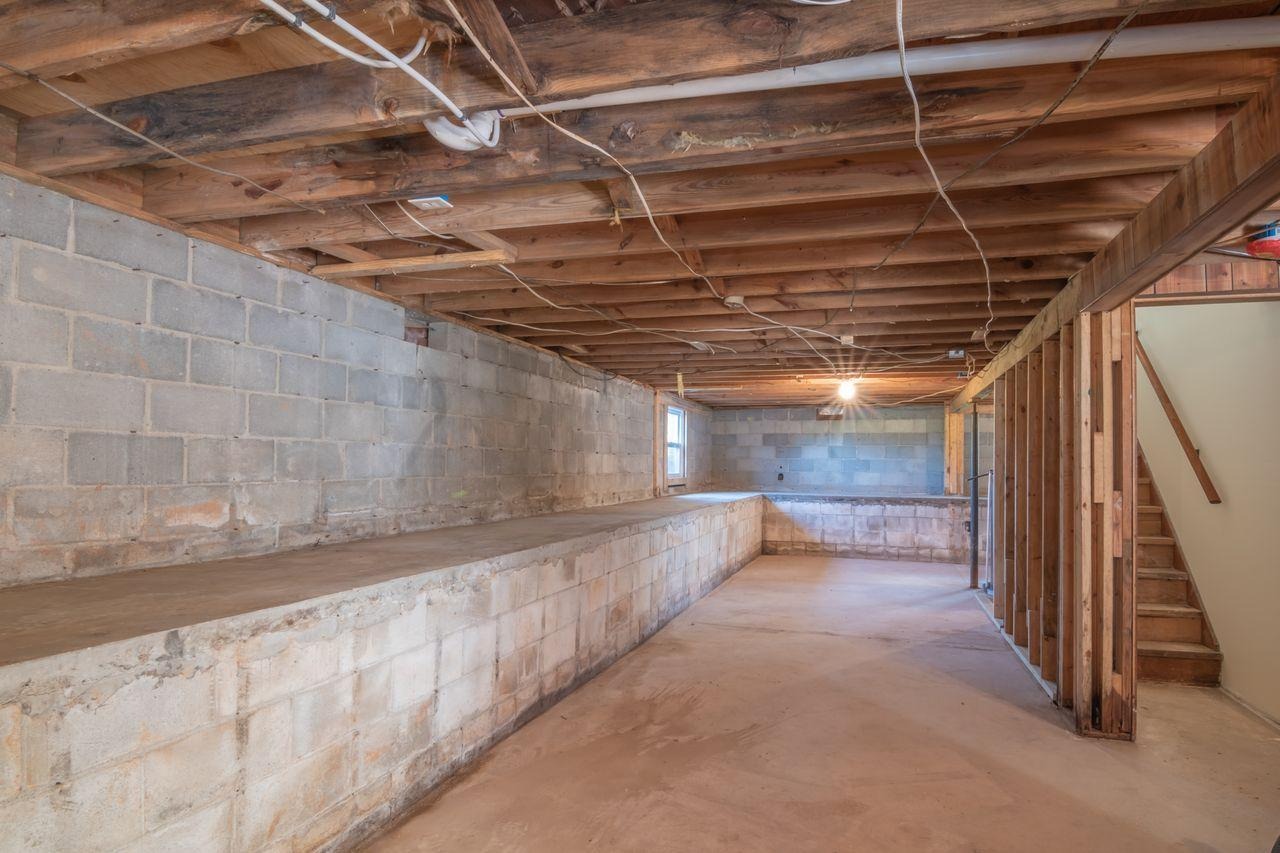
A flooded basement feels like a punch to the gut. Boxes you meant to sort through for years are suddenly floating, and family photos sit in an inch of murky water. Before panic takes over, know that most of what you own can still be saved if you act with a clear head and a bit of patience.
Start with Water Mitigation to Halt the Spread of Moisture
The first priority is halting moisture before it creeps into walls, flooring, and furniture that haven’t been touched yet. Water mitigation is the term for this early response, and it covers things like pumping out standing water, setting up fans, and running dehumidifiers to pull dampness from the air.
According to the EPA, materials dried within 24 to 48 hours after a leak or spill usually avoid mold growth, so speed truly matters here. Even opening windows and doors to improve airflow can make a noticeable difference while you figure out your next move.
Shut Off Power before Entering Flooded Areas
Water and electricity never mix well, and a flooded basement is no exception. Before you wade in to assess the damage, find your circuit breaker and shut off power to the area.
Standing water can conduct electricity in ways that are invisible until it’s too late, so this step should never be skipped, even if the water looks shallow or calm. If reaching the breaker means walking through water, it’s worth calling an electrician instead of taking the risk yourself.
Follow Through with Water Damage Restoration for Full Recovery
Once the immediate threat is under control, the real work of bringing your basement back to normal begins. Water damage restoration involves more than drying things out. It includes checking for structural damage, treating surfaces that may harbor mold, and repairing anything that water weakened or ruined.
The CDC notes that if items could not be dried within that same 24 to 48 hour window, it is safer to assume mold has already started forming. That means some materials may need professional treatment rather than a simple wipe down, so don’t rush this stage.
Photograph Every Belonging Before Moving or Discarding It
Grab your phone and photograph each item exactly where it sits, soaked or not. This record will help with insurance claims and also gives you a clear picture of what you’re dealing with before emotions push you to toss things too quickly.
Take wide shots of the room along with close ups of individual items, especially anything with visible water lines or damage. It only takes a few extra minutes, and it could save you money and frustration later.
Prioritize Salvaging Items Based on Material and Water Exposure
Not everything soaked in floodwater needs to go in the trash, but not everything can be rescued either. Porous materials like carpet padding or cardboard tend to absorb water quickly and are harder to fully dry, while solid wood furniture or plastic bins often hold up better.
Think about how long each item sat in water and what it’s made of before deciding whether to clean, repair, or let go of it. Sentimental value matters too, so give yourself permission to put in extra effort for things that truly mean something.