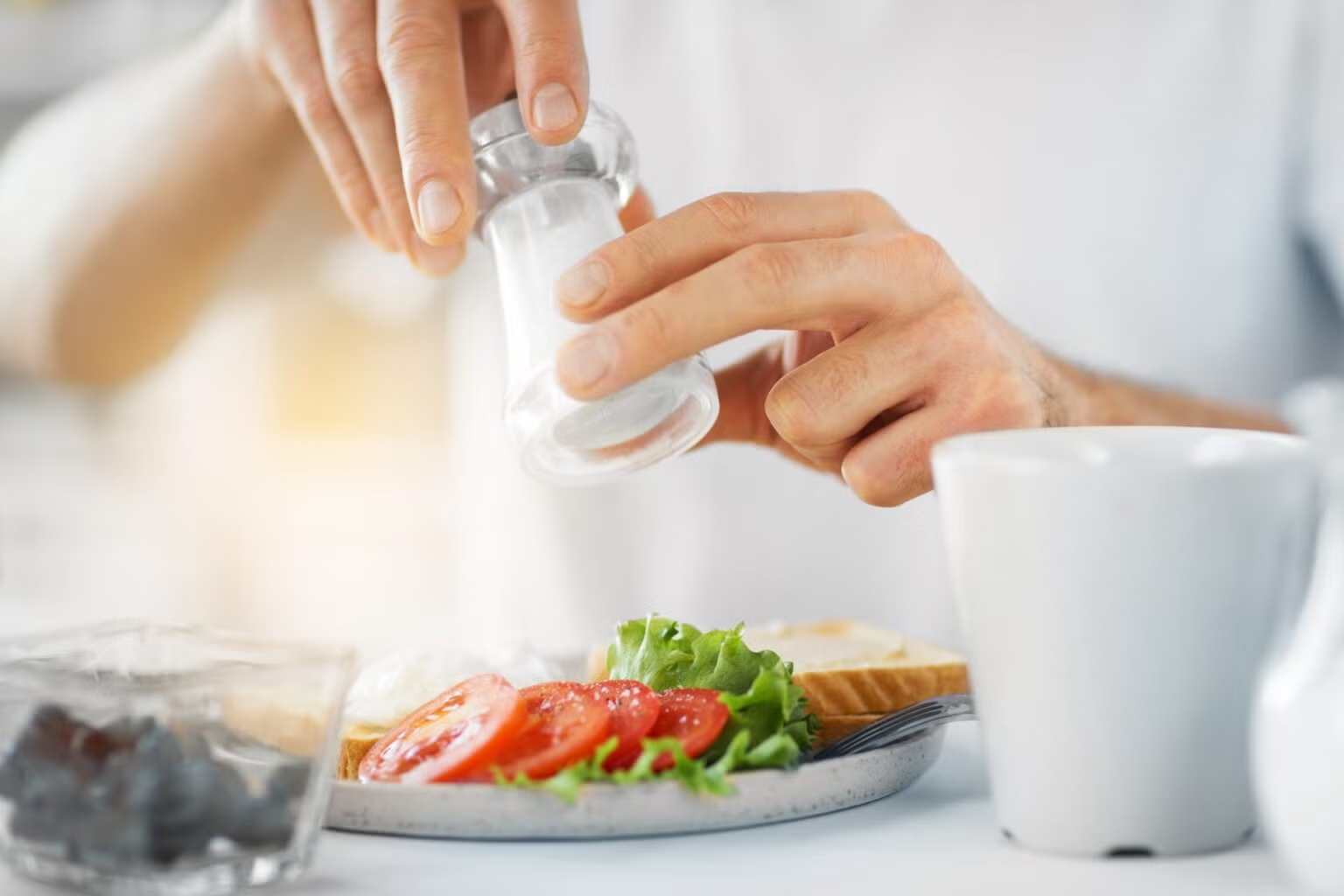
Heavy sodium intake often comes from the total diet rather than the salt shaker alone. Packaged foods, restaurant meals, sauces, processed meats, snacks, and convenience foods can contribute substantial sodium. Reducing those sources does not require eating bland meals; changing ingredients and flavor-building habits can make the transition easier.
Where Dietary Sodium Often Hides
Foods do not need to taste extremely salty to contribute sodium. Breads, prepared soups, sauces, dressings, frozen meals, deli meats, cheese, and restaurant dishes may add to daily intake across several meals.
The American Heart Association provides educational guidance about sodium and heart health. Reading labels and comparing similar foods can reveal differences that are difficult to notice by taste alone.
| Common Source | Simple Change | Flavor Replacement |
|---|---|---|
| Bottled sauces | Use smaller amounts | Citrus or vinegar |
| Processed meats | Choose fresher proteins | Herbs and spices |
| Instant meals | Cook simple basics | Garlic and onions |
| Salty snacks | Rotate with unsalted options | Pepper or paprika |
Start With the Foods You Eat Most Often
Trying to remove salt from every meal overnight can make food disappointing and difficult to maintain. A more workable approach is identifying the biggest recurring sources first.
People browsing general nutrition reading may find long lists of foods to avoid, but the most useful changes usually depend on what someone actually eats each week.
A person who rarely eats chips but relies heavily on restaurant meals will need a different strategy from someone who cooks most meals at home but uses several salty sauces.
Build Flavor Before Reaching for Salt
Acid, aromatics, herbs, spices, toasted ingredients, and texture can make lower-sodium dishes taste more complete. Lemon, lime, vinegar, garlic, ginger, onions, pepper, cumin, smoked paprika, rosemary, basil, or fresh herbs can change the character of a meal without relying only on salt.
Broader healthy eating ideas can offer inspiration for meal planning, but dietary advice should still account for allergies, medical conditions, medications, and individual nutrition needs.
Gradually reducing salty ingredients may also give taste preferences time to adjust.
Compare Packaged Foods Instead of Guessing
Two similar soups, breads, sauces, or frozen meals can contain different amounts of sodium. Reading the nutrition label helps make the comparison more concrete.
Readers exploring general self-care content should be cautious about claims that a single drink, supplement, or “detox” can cancel out a high-sodium diet. Sodium balance is regulated by the body, particularly through the kidneys, and overall eating patterns matter more than quick fixes.
Preparing more meals from basic ingredients gives greater control over added salt.
Why Cutting Sodium Can Go Wrong
One mistake is focusing only on visible table salt while ignoring restaurant and packaged foods. Another is replacing salt with large quantities of salty condiments, seasoning mixes, or prepared sauces.
People may also assume that every product labeled with a health-oriented phrase must be low in sodium. Packaging language can be misleading when viewed without the nutrition panel. Comparing products directly is usually more useful than relying on the front of the package.
When Should You Discuss Sodium With a Clinician?
People with high blood pressure, kidney disease, heart disease, significant fluid retention, or other medical conditions may receive individualized sodium guidance from their healthcare team. Those recommendations should take priority over general online advice.
Seek urgent medical attention for severe chest pain, marked shortness of breath, fainting, sudden severe weakness, or other acute symptoms. A salty meal alone should not be assumed to explain serious symptoms.
Frequently Asked Questions
Is sea salt lower in sodium than table salt?
Different salts vary in crystal size and trace minerals, but salt type does not automatically make a high-sodium diet healthier. Portion size and the total sodium from all foods remain important considerations.
Can taste buds adjust to less salty food?
Taste preferences can change over time. Gradual reductions may make lower-sodium foods feel more normal while allowing herbs, acids, spices, and natural food flavors to become more noticeable.
Is restaurant food a major sodium source?
Restaurant meals can contribute substantial sodium depending on the dish, portion, sauces, and preparation method. Ordering sauces separately, choosing simpler preparations, and balancing restaurant meals with lower-sodium foods elsewhere may help.
Make Lower-Sodium Food Worth Eating
Reducing sodium is easier when the goal is better food, not punishment. Focus first on the biggest repeated sources, compare packaged products, cook with more basic ingredients, and build flavor with herbs, spices, aromatics, and acidity.
If a medical condition affects how much sodium is appropriate, use individualized guidance from a qualified healthcare professional rather than relying on a generic target.
This article is for general informational purposes and is not a substitute for professional medical advice, diagnosis, or treatment.