Overheating car engines need prompt attention because excessive temperature can damage engine components and leave the vehicle stranded. Cooling problems may involve low coolant, leaks, radiator airflow, a thermostat, cooling fans, a water pump, or another fault. If the temperature warning appears, protecting the engine matters more than reaching your destination.
Pay Attention to the Warning Signs
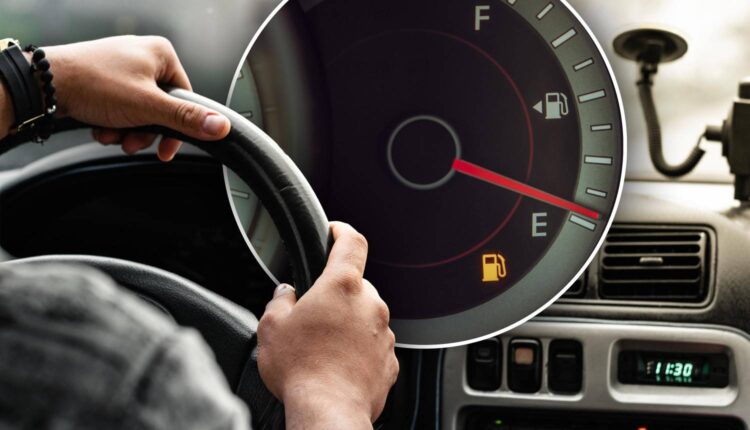
A rising temperature gauge or dashboard warning is the clearest sign that something needs attention. Steam, a sweet coolant-like smell, reduced heater performance, visible leakage, or repeated temperature fluctuations can provide additional clues.
Drivers learning basic maintenance often encounter general automotive reading alongside manufacturer information. For your specific vehicle, the owner’s manual should remain the starting point for warning lights, coolant specifications, and safe procedures.
Don’t Ignore Repeated Temperature Changes
An engine that cools down and then overheats again has not necessarily fixed itself. Intermittent faults can appear only under traffic, high load, hot weather, or certain driving conditions.
Repeated overheating deserves diagnosis even if the temperature later returns to normal.
Check Coolant Only When It Is Safe
Coolant level is one of the first things many drivers think about, but opening a hot cooling system can cause serious burns. Never remove a radiator or pressurized coolant cap while the system is hot.
Once the vehicle is safely cooled and the manufacturer’s instructions permit inspection, coolant level and visible leaks can be checked. Practical car-care discussions may describe many cooling-system checks, but safe handling instructions for your exact vehicle take priority.
| Observation | Possible Direction | Next Step |
|---|---|---|
| Low coolant | Leak or previous loss | Find the cause |
| Overheats in traffic | Airflow or fan issue | Check cooling fan |
| Visible coolant leak | Hose or component problem | Repair before driving |
| Repeated overheating | System fault | Arrange diagnosis |
Look for the Cause, Not Only the Coolant Level
Adding coolant may restore the level, but it does not explain why coolant was low. A leaking hose, radiator, reservoir, water pump, connection, or other component may allow the problem to return.
Temperature trouble can also occur without an obvious external leak. Broader engine-care topics can help drivers understand common systems, but diagnosis should be based on the vehicle’s actual symptoms and testing.
Cooling Fans Matter at Low Speed
Radiator airflow changes with driving speed. Electric cooling fans help move air when the vehicle is stopped or traveling slowly.
A vehicle that overheats mainly in traffic but behaves differently at highway speed may need its airflow and fan operation checked, though that pattern alone doesn’t prove a specific failure.
Common Responses That Can Make Things Worse
Continuing to drive while the temperature remains dangerously high can turn a cooling-system repair into major engine damage. Assuming that a normal temperature gauge later means the problem disappeared is another risky mistake.
Repeatedly topping up coolant without locating the reason for loss can also hide a leak. Temporary improvement is not the same as repair. Persistent overheating needs a diagnosis of the underlying cause.
Stop Before Serious Damage Develops
If the temperature warning indicates overheating, follow the vehicle manufacturer’s safety instructions and move to a safe location when conditions allow. Shut the vehicle down when appropriate rather than continuing to drive an overheating engine.
Do not open a pressurized cooling system while hot. Steam, severe coolant loss, unusual noises, loss of power, or recurring overheating are strong reasons to arrange professional inspection or towing rather than experimenting beside the road.
Frequently Asked Questions
Can low coolant make an engine overheat?
Yes. Insufficient coolant can reduce the cooling system’s ability to carry heat away from the engine. Low coolant also raises another question: why the level dropped in the first place.
Why does my car overheat only when sitting in traffic?
Reduced airflow through the radiator at low vehicle speeds can expose problems involving cooling fans or other parts of the cooling system. A technician can test the system rather than diagnosing it from this symptom alone.
Can I drive after my engine cools down?
Cooling down does not confirm that the underlying problem has disappeared. Whether continued driving is safe depends on the cause and condition of the vehicle. Repeated overheating, coolant loss, or warning signs may justify towing instead.
Fix the Cooling Problem Before It Returns
An overheating episode should be treated as a warning, not an inconvenience to reset and forget. Let the engine cool safely, check only what the manufacturer says can be inspected, and look for the reason behind coolant loss or rising temperature. Repeated overheating deserves proper diagnosis before another trip puts the engine under stress.