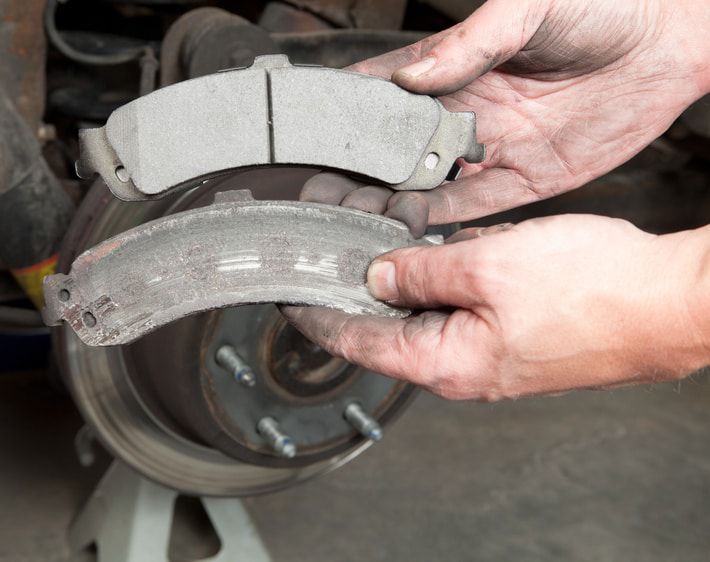
Worn brake pads should be addressed before continued use damages other braking components or reduces dependable braking performance. Pads are designed to wear as they create friction against the brake rotor, but once friction material becomes too thin, braking can become noisy, rough, or less predictable. Early inspection is usually simpler than waiting for metal-to-metal contact.
What Happens as Brake Pads Wear Down?
Brake pads press against rotating brake rotors when the brakes are applied. That friction slows the vehicle, and the pad material gradually wears away during normal driving.
Driving habits, vehicle weight, traffic conditions, brake design, and component condition can all affect wear. General automotive maintenance reading can help owners understand routine car care, but brake condition should ultimately be determined through proper inspection rather than mileage alone.
Listen for Changes, but Don’t Depend on Noise Alone
Some brake pads use wear indicators that can produce a high-pitched sound when replacement is approaching. Other problems can also create braking noise, however.
A quiet brake isn’t automatically a healthy brake. Visual inspection and measurement provide better information than waiting for a dramatic sound.
Watch for Changes in Braking Behavior
New grinding, scraping, vibration, pulling, or unusual pedal behavior deserves attention. These symptoms can have several causes, so avoid assuming pads are responsible without checking the complete braking system.
Drivers comparing practical car care articles may encounter broad maintenance advice, but braking problems are one area where proper mechanical inspection matters because several components work together.
| Change | Possible Concern | Useful Response |
|---|---|---|
| High-pitched noise | Pad wear indicator | Arrange inspection |
| Grinding sound | Severe wear possible | Stop delaying repair |
| Steering vibration | Brake or wheel issue | Diagnose the cause |
| Longer stopping feel | Multiple possibilities | Seek prompt inspection |
Why Delaying Pad Replacement Can Cost More
A worn pad can eventually allow harder backing material to contact the rotor. At that point, damage may extend beyond a routine pad replacement.
Rotors, calipers, hardware, and brake fluid condition may also affect how the system performs. General repair information can help owners prepare questions for a repair visit, though only an inspection can establish which components on a specific vehicle actually require service.
Replace Parts Based on Condition
Automatically replacing every braking component isn’t always necessary. At the same time, replacing only pads when rotors or hardware are damaged may leave the braking system performing poorly.
A competent inspection should consider component condition together rather than viewing the brake pad as an isolated part.
Common Brake-Pad Mistakes to Avoid
Waiting for loud grinding is one of the costliest habits. By then, a relatively routine wear item may have started damaging additional components.
Another mistake is assuming all squeaks mean the pads are worn out. Moisture, contamination, pad material, hardware, glazing, or other brake conditions can produce noise. Guessing can lead either to unnecessary replacement or dangerous delay. Have unusual braking behavior investigated instead of relying on a single symptom.
Frequently Asked Questions
How do I know whether brake pads need replacing?
Inspection is the dependable method. Warning signs can include noises, reduced pad material, vibration, or changes in braking feel, but these symptoms may have other causes and should be properly diagnosed.
Can worn brake pads damage brake rotors?
Yes. If pads wear far enough that metal components contact the rotor, the rotor surface can be damaged. Addressing pad wear earlier may help avoid additional brake-system repairs.
Should front and rear brake pads wear at the same rate?
Not necessarily. Brake design, driving conditions, vehicle weight distribution, electronic systems, and component condition can cause different wear patterns. Each axle should be inspected rather than assuming all pads have equal remaining life.
Address Brake Wear Before It Escalates
Brake pads are routine wear components, but delaying attention can turn routine maintenance into a larger repair. Pay attention to new sounds or changes in braking, and don’t wait for severe grinding before arranging an inspection. Because brakes directly affect vehicle control and stopping, uncertain or abnormal braking performance should be checked promptly by a qualified automotive professional.