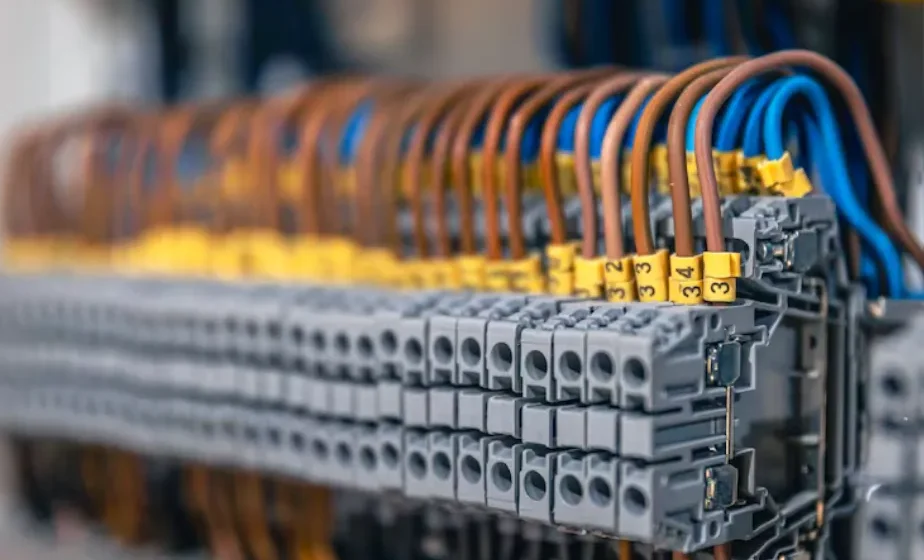

Modern industries rely heavily on complex electrical systems to power machinery, vehicles, communication networks, and electronic devices. At the core of these systems lies an often overlooked but essential component known as the cable harness. Cable harnesses organise and protect multiple electrical wires, allowing systems to function safely and efficiently.
Professional wire harness manufacturers play a crucial role in designing and producing these integrated wiring systems for industries such as automotive, aerospace, defence, and telecommunications. At the same time, experienced cable harness manufacturers ensure that these assemblies meet strict quality and performance standards.
Without properly engineered harness systems, electrical installations would be far more complex, unreliable, and difficult to maintain.
What Is a Cable Harness?
A cable harness is an organised arrangement of electrical wires, cables, connectors, and protective coverings designed to transmit electrical signals or power within a system. These components are grouped together using insulation materials, sleeves, or cable ties to keep them organised and protected.
Working with professional cable harness manufacturers allows companies to create custom assemblies tailored to their specific equipment and performance requirements.
Harness assemblies simplify installation by combining multiple cables into a single structured unit. This reduces the risk of wiring errors while improving overall reliability.
The Role of Wire Harness Manufacturers
Specialised wire harness manufacturers design and produce wiring systems that meet precise electrical and mechanical requirements. Their work involves much more than simply bundling wires together.
The manufacturing process includes engineering design, material selection, cable cutting, connector installation, and protective insulation.
Manufacturers also perform rigorous testing procedures to ensure each harness meets safety standards and operates reliably in its intended environment.
These testing procedures often include electrical continuity tests, insulation resistance checks, and environmental durability assessments.
Applications Across Multiple Industries
Cable harness assemblies are used across many industries where reliable electrical connectivity is essential.
In the automotive sector, harnesses connect various electronic systems such as engine control units, lighting systems, and safety sensors.
In aerospace and defence industries, specialised wire harness manufacturers produce assemblies that must withstand extreme temperatures, vibrations, and electromagnetic interference.
Industrial machinery, telecommunications infrastructure, and renewable energy systems also rely heavily on custom cable harness solutions.
The versatility of harness assemblies makes them a critical component in modern technology.
Benefits of Using Custom Cable Harness Solutions
Working with experienced cable harness manufacturers provides several advantages for businesses developing complex electrical systems.
One key benefit is improved system reliability. Custom harnesses reduce wiring errors and improve overall electrical performance.
Another advantage is simplified installation. Instead of connecting individual wires separately, technicians can install a complete harness assembly that has already been tested and verified.
Custom harnesses also improve safety by protecting wires from abrasion, heat, and environmental damage.
These benefits help businesses reduce maintenance costs while improving operational efficiency.
Quality Standards and Testing
Industries that depend on cable harnesses often require strict quality assurance processes. Manufacturers must follow detailed standards to ensure consistent performance and safety.
Professional wire harness manufacturers typically adhere to international standards related to electrical safety, insulation materials, and environmental durability.
Each harness assembly undergoes testing to verify electrical continuity, resistance levels, and mechanical strength.
These quality control procedures ensure that the final product performs reliably under demanding operating conditions.
The Growing Demand for Advanced Harness Systems
As technology continues to evolve, electrical systems are becoming increasingly complex. Advanced vehicles, industrial automation systems, and communication networks require sophisticated wiring solutions capable of handling large volumes of data and power.
This growing complexity has increased demand for experienced cable harness manufacturers capable of producing customized solutions for modern applications.
Manufacturers must constantly innovate by developing new materials, improved insulation techniques, and more efficient production methods.
Conclusion
Cable harness assemblies are essential components that enable modern electrical systems to function efficiently and safely. By organising multiple wires into structured units, harness systems improve reliability, simplify installation, and protect electrical connections.
Professional wire harness manufacturers and cable harness manufacturers play a vital role in delivering high-quality assemblies tailored to specific industrial requirements.
As industries continue to adopt advanced technologies, the demand for reliable cable harness solutions will continue to grow.
Companies that invest in high-quality harness systems benefit from improved system performance, enhanced safety, and long-term operational reliability.